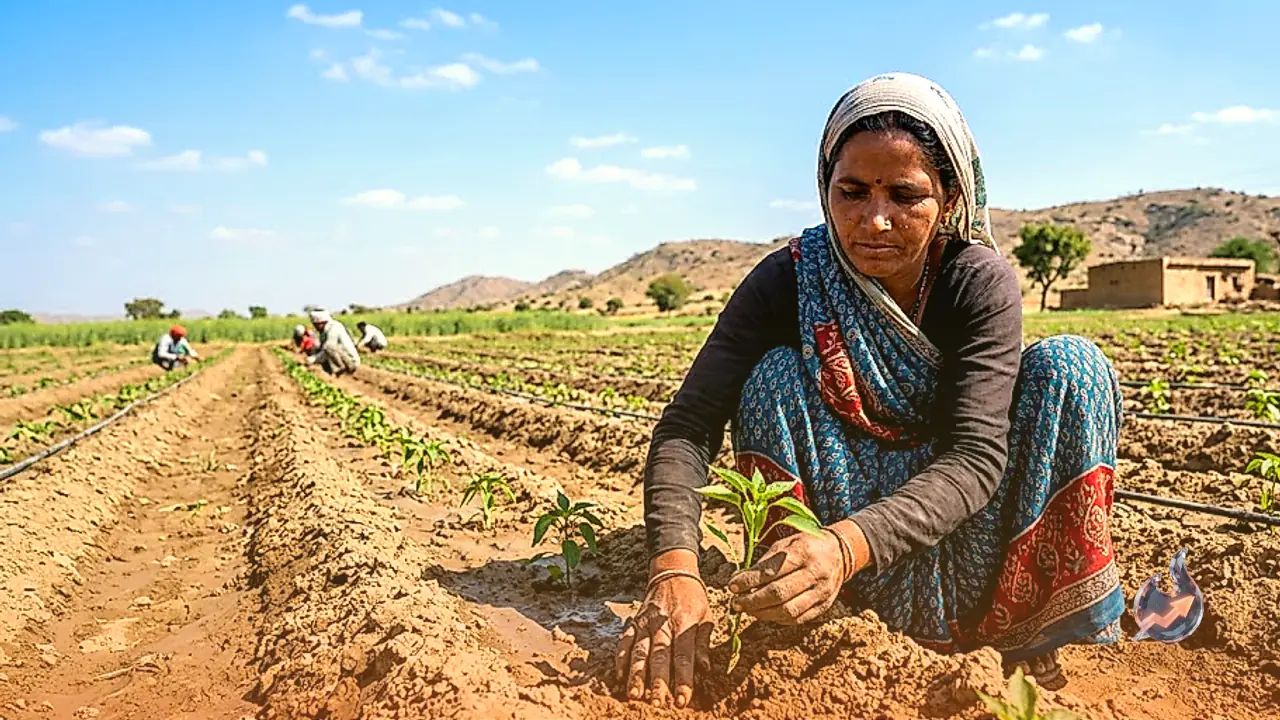






















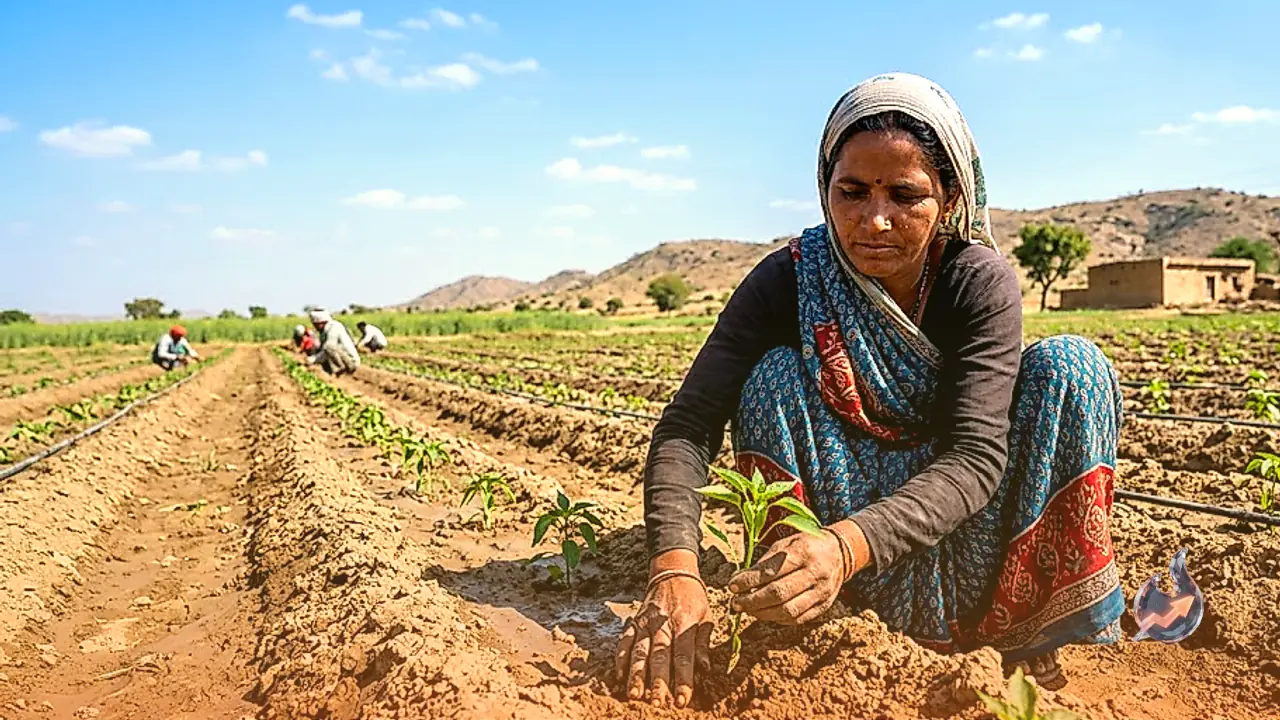

Agricultural activity has surged across the Dungari and Aarwa regions of Jalore district as local growers initiate chilli planting and sapling transplantation. After concluding preliminary soil preparations, farming families are spending their early mornings in the fields to ensure timely plantation. Ensuring ideal soil moisture, refining the seedbeds, and adhering to strict planting schedules remain the top priorities for growers aiming for an abundant harvest. A palpable sense of enthusiasm is visible among local cultivators as the new chilli cycle gets underway.
Foundation of Soil Preparation and Irrigation
Chilli cultivation has grown into a major driver of agricultural income for numerous households throughout this belt. Consequently, growers are shaping their agricultural calendar around changing weather patterns and market prospects. Thorough ploughing and extensive soil conditioning before plantation are essential steps, ensuring that emerging roots can absorb vital nutrients efficiently. Equal attention must be paid to preventing water stagnation in the fields. Providing water strictly in accordance with crop requirements rather than over-irrigating keeps root systems healthy and supports steady vegetative growth.
Pest Surveillance and Expert Recommendations
Assuming that climatic conditions remain stable and supportive, local cultivators anticipate high agricultural yields. Nonetheless, farming communities will have to monitor shifting weather dynamics alongside early indicators of fungal infections and pest attacks throughout the crop cycle. Should any signs of disease or pest infestation manifest on the leaves or stems, cultivators are strongly advised to seek guidance from agricultural experts before administering any treatment. Avoiding excessive and unverified chemical usage is vital, as indiscriminate spraying can damage the crop, whereas vigilant monitoring protects investments from severe damage.
Shared Fieldwork and Routine Crop Maintenance
Varsha Devi, a local woman farmer, noted that the arrival of the chilli planting window has visibly increased movement across farmland in the area. Households are joining forces to manage labour-intensive tasks such as seed sowing, nursery handling, and transplantation. Devi emphasised that merely placing saplings in the soil does not guarantee a lucrative yield; sustained aftercare is equally decisive. Coordinating timely irrigation schedules, weeding, intercultural hoeing, active pest deterrence, and daily assessments of plant development collectively enable farmers to nurture a high-yielding harvest.
Balancing Production Costs with Market Dynamics
With plantation drives now underway, agricultural routines across Dungari and Aarwa are expected to intensify in the coming weeks. Growers are encouraged to keep track of local meteorological advisories and observe prevailing chilli pricing trends across nearby wholesale markets. Balancing initial input expenditure against accessible irrigation water and anticipated market realizations will allow growers to plan their agricultural strategies profitably. Driven by persistence and optimism, local farmers are investing their efforts into the fields to secure both strong crop volumes and higher returns.