
The central government has arranged a new official base for Tibetan spiritual leader Dalai Lama in the national capital. He has been allotted a government bungalow situated in the high-security Lutyens Delhi area, specifically located on Pandit Ravi Shankar Shukla Lane. While administrative circles are abuzz with the development, the Ministry of Housing and Urban Affairs has not yet released any official statement or confirmation regarding this property allocation.
Allotment Made Following External Affairs Ministry Request
According to sources familiar with the matter, the central administration has granted this official accommodation to the Dalai Lama's administrative body, the Gaden Phodrang Trust. This decision was initiated following a formal request submitted by the Ministry of External Affairs. Lutyens Delhi is recognized as the most secure and prominent zone in the capital, traditionally reserved for top dignitaries, senior leaders, and distinguished personalities.
Standard Tenure and Allocation Rules
Under standard guidelines governing such category of government accommodations, properties are typically leased for a period of three years. Provisions exist to extend this timeframe based on operational necessity and prevailing requirements. However, specific details concerning the exact duration or tenure of the bungalow allotted to the Dalai Lama have not yet been publicly disclosed by authorities.
Understanding the Gaden Phodrang Trust
The Gaden Phodrang Trust serves as the primary institutional framework for the Dalai Lama. According to information published on its official web portal, the organization is dedicated to advancing his extensive spiritual and humanitarian missions. Its core mandate involves preserving and propagating the vision and philosophy associated with the Dalai Lama's institution across the globe.
Cultural, Environmental, and Social Initiatives
Beyond spiritual outreach, the trust actively supports numerous social, cultural, and educational objectives. Its charter encompasses fostering universal human values, strengthening interfaith harmony, and safeguarding vulnerable Tibetan culture and identity from erosion. Furthermore, the organization collaborates on environmental conservation projects and initiatives designed to deepen public understanding of ancient Indian knowledge traditions.
Historical Background and India Exile
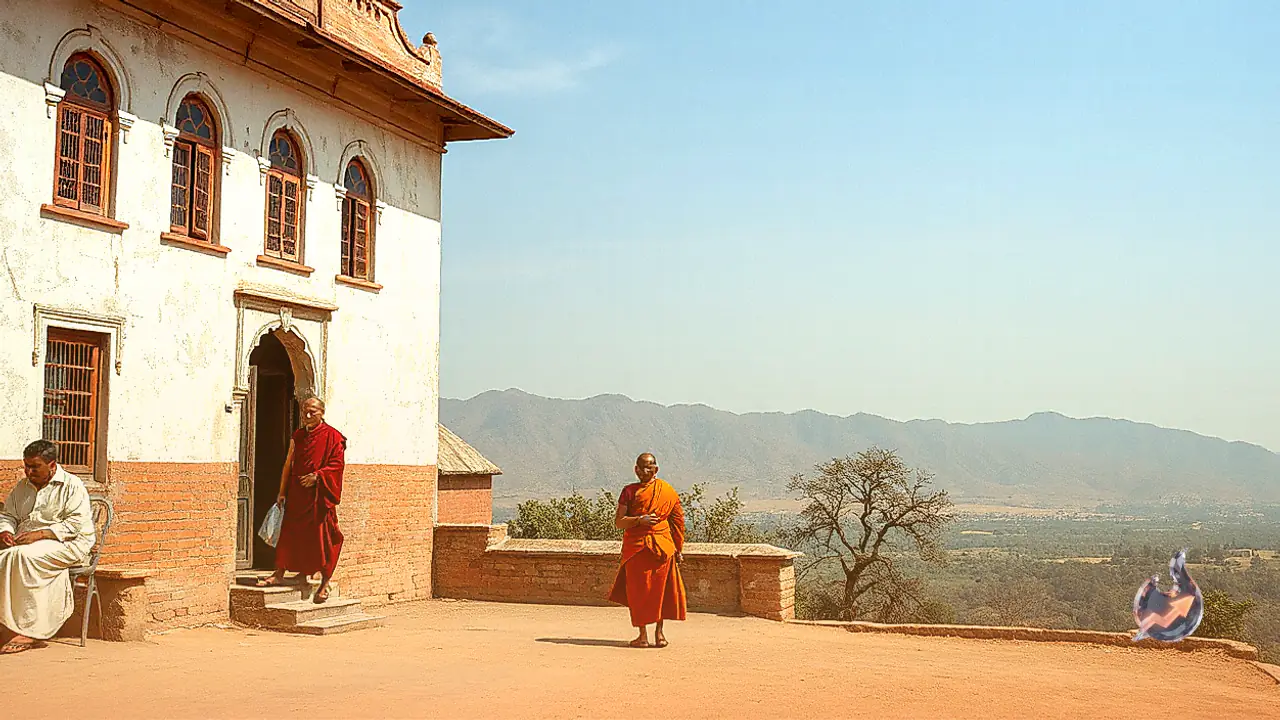
The connection dates back to 1959, when China occupied Tibet and violently suppressed the regional uprising, prompting the Dalai Lama to cross treacherous Himalayan snowy trails to seek asylum in India to save his life and preserve Tibetan heritage. Ever since, he has resided in Mcleodganj, Dharamshala, in Himachal Pradesh, widely known as Little Lhasa, while maintaining an office in New Delhi for official engagements. Recognized for his tireless advocacy of non-violence and global harmony, he was awarded the Nobel Peace Prize in 1989. After formally relinquishing his political authority to the Tibetan exile administration in 2011, he has continued his mission entirely as a spiritual master, preaching compassion and brotherhood worldwide.