


















With the onset of harsh winter meteorological conditions that routinely trap airborne contaminants, Delhi has rolled out its comprehensive Winter Action Plan with immediate enforcement. The opening day of the crackdown on Sunday saw municipal teams, transport inspectors, and traffic police levy hefty fiscal penalties on violators across multiple operational fronts. Cumulative fines and environmental compensation assessments touched Rs 68.4 lakh before evening fell. Checkpoints stationed at border entries scrutinized approximately 15,000 vehicles, turning away 1,539 units that flouted city entry restrictions. Concurrently, patrol squads penalized 566 motorists navigating the roads without active pollution under control certificates.
Fiscal Breakdown of Fines Imposed Across Sectors
Data compiled by municipal and transport authorities up to 5 PM on Sunday revealed that the lion's share of financial penalties stemmed from emission certificate lapses. Non-compliance with mandatory PUCC guidelines accounted for Rs 56.6 lakh in cumulative fines. Simultaneously, drivers attempting to breach vehicular border entry barriers were slapped with penalties totaling Rs 2 lakh. On the infrastructure front, private and public construction sites violating fugitive dust suppression protocols faced Rs 9.8 lakh in environmental damage compensation charges.
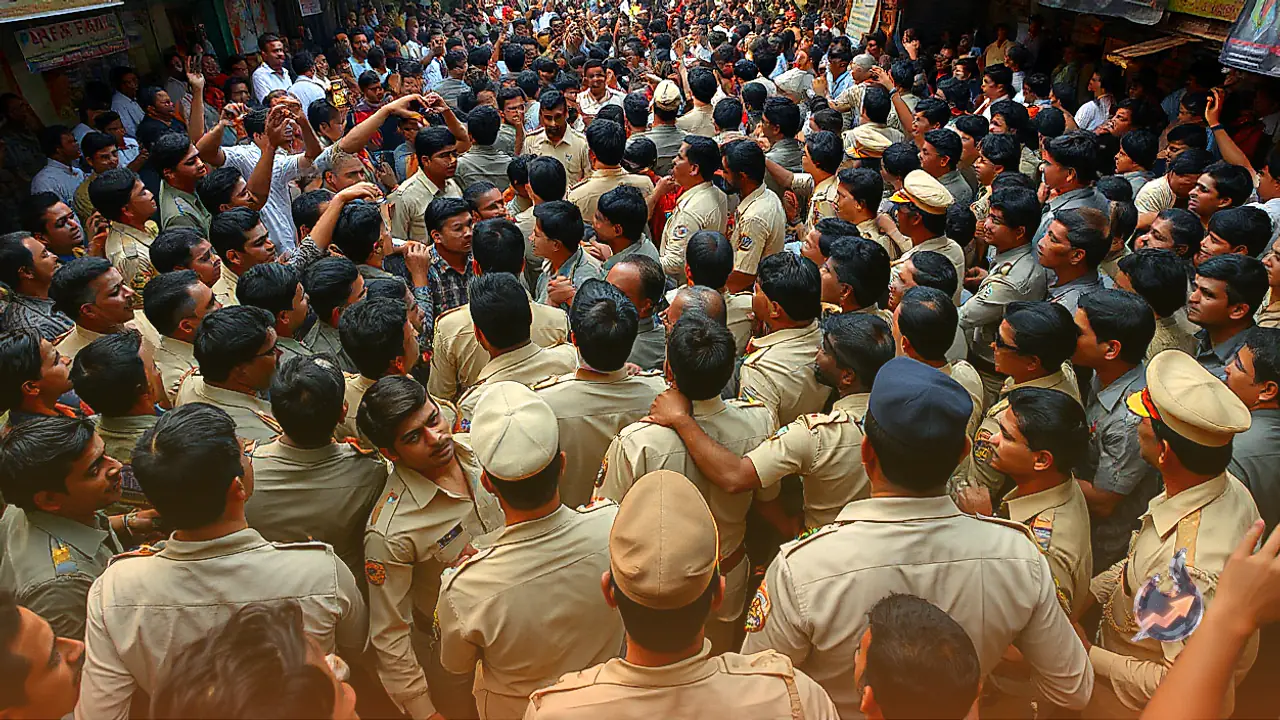
To enforce the prohibition on non-BS-6 vehicles registered outside the capital territory, joint squadrons of the Delhi Traffic Police and the Transport Department intercepted and inspected 14,930 incoming automobiles. Close to 10.31 percent of these checked vehicles failed to satisfy the required operational parameters and were turned back at the border. Throughout this interception drive, personnel issued 127 formal citations and impounded 62 non-compliant vehicles, while the traffic police separately collected Rs 2 lakh in entry-violation penalties.
Border Checkpoints Intercept Hundreds of Non-Permitted Vehicles
Enforcement personnel stationed at external entry corridors classified intercepted vehicles according to their operational categories. Among the vehicles turned away were 140 light motor vehicles, 54 light commercial carriers, 95 medium and heavy transport carriers, and 34 transit buses. Alongside commercial fleets, inspections covered 1,423 two-wheelers, three-wheelers, and miscellaneous vehicles, culminating in 789 turnbacks and 38 direct impoundments. The scrutiny was not confined to freight-bearing transit, extending to all non-standard mobility entering the administrative limits.
Statistical logs maintained by the environment department indicated that 7,279 intercepted vehicles were found to have destinations situated outside Delhi, using arterial expressways purely for transit passage. Authorities successfully diverted 314 such bypass vehicles without imposing fiscal fines. In contrast, essential transit categories were shielded from operational disruptions. Fuel-efficient and cleaner mobility, including electric vehicles, compressed natural gas units, and vehicles hauling emergency provisions, received absolute exemption. Patrol officers verified the transit documentation of 740 clean-fuel and essential-service vehicles before granting them unimpeded passage into the capital.
Strict Penalties for Driving Without Valid Emission Certification
Monitoring exhaust emissions remained central to the city administration's pollution abatement drive. A targeted crackdown focused strictly on vehicles operating without up-to-date PUCC documentation. Across the urban territory, inspecting teams issued 566 citations, aggregating to Rs 56.6 lakh in imposed fines. The traffic enforcement wing led the drive by writing 493 citations, accumulating Rs 49.3 lakh in penalties, while mobile squads from the transport department issued another 73 challans amounting to Rs 7.3 lakh in realized penalties.
Scrutiny of 300 Construction Zones Yields Stop-Work Notices
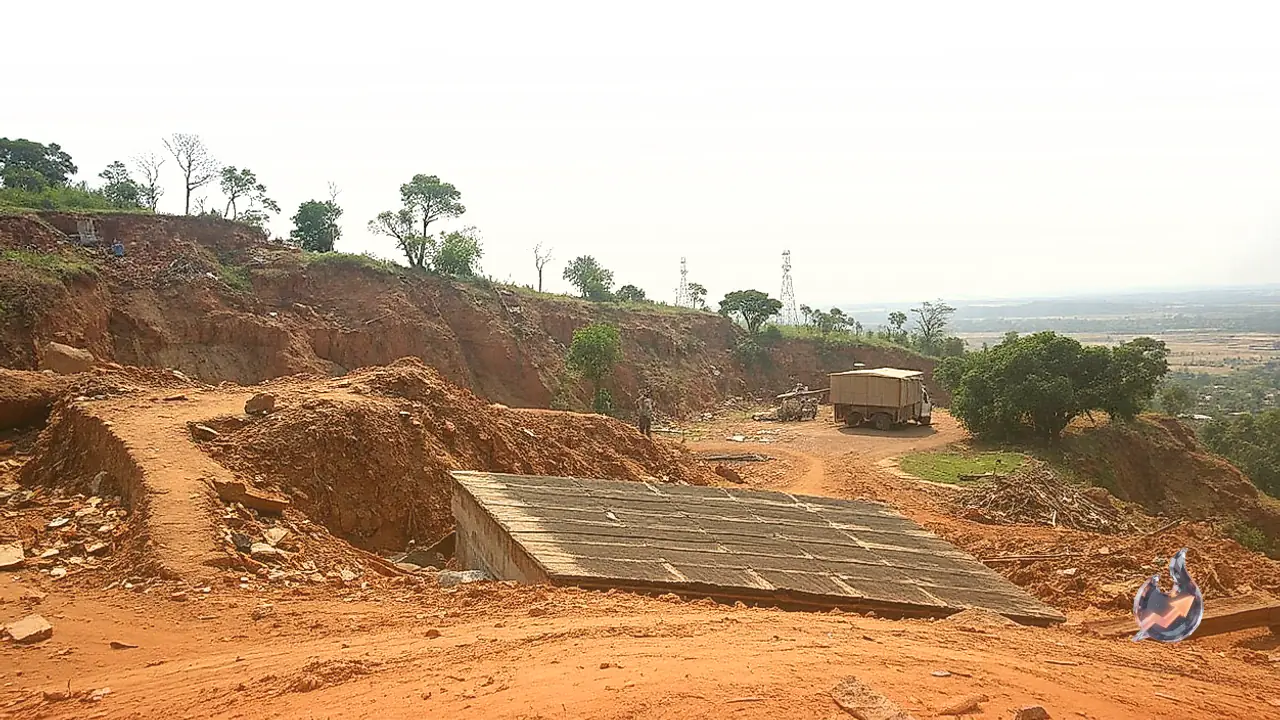
Field squads tasked with monitoring airborne particulate matter carried out on-site audits across 300 construction and demolition zones on Sunday. The inspections revealed explicit dust-control non-compliance at 32 active sites. Among the evaluated projects were 91 large-scale plots exceeding 500 square meters in area, where inspectors identified 16 non-compliant operations. The administration acted decisively against these large sites, issuing two formal stop-work closures, serving four show-cause notifications, and levying Rs 4 lakh in environmental restitution fees.
The remaining 209 smaller sites, each under 500 square meters, recorded 17 instances of non-compliance. Regulatory actions at these smaller plots were particularly rigorous, resulting in 15 work-stoppage orders, 15 formal show-cause notices, and Rs 5.8 lakh in compensatory fines. In total, the day-long construction review generated 17 closure orders, 19 formal show-cause notices, and Rs 9.8 lakh in cumulative environmental levies across the metropolis.
Enforcement Directives and Broad Guidelines Effective Till February
Reviewing the enforcement trajectory on social media, Delhi Environment Minister Manjinder Singh Sirsa outlined the day's milestones on X. Underlining the need for public compliance, he wrote,
Collective participation is essential for efforts toward clean air.He urged drivers to renew their PUCC certifications, adhere strictly to boundary transit rules, and insisted that builders meet dust suppression standards without exception.
The suite of containment measures encapsulated in the Winter Action Plan spans from November 1 through February 28 under staggered enforcement timelines. Vehicles below BS-6 standards bearing registrations outside Delhi remain strictly banned from entering until January 31. Dust-generating demolition work and open construction remain completely disallowed, though essential public infrastructure developments retain designated exemptions. Between December 10 and January 20, an absolute blanket ban will govern all construction and demolition undertakings, barring select exemptions. To discourage non-essential car transit, public parking charges across all authorized city lots have been doubled through February 28. Furthermore, government departments and corporate offices have been instructed to enforce a 50 percent remote work protocol between November 1 and January 31.