




















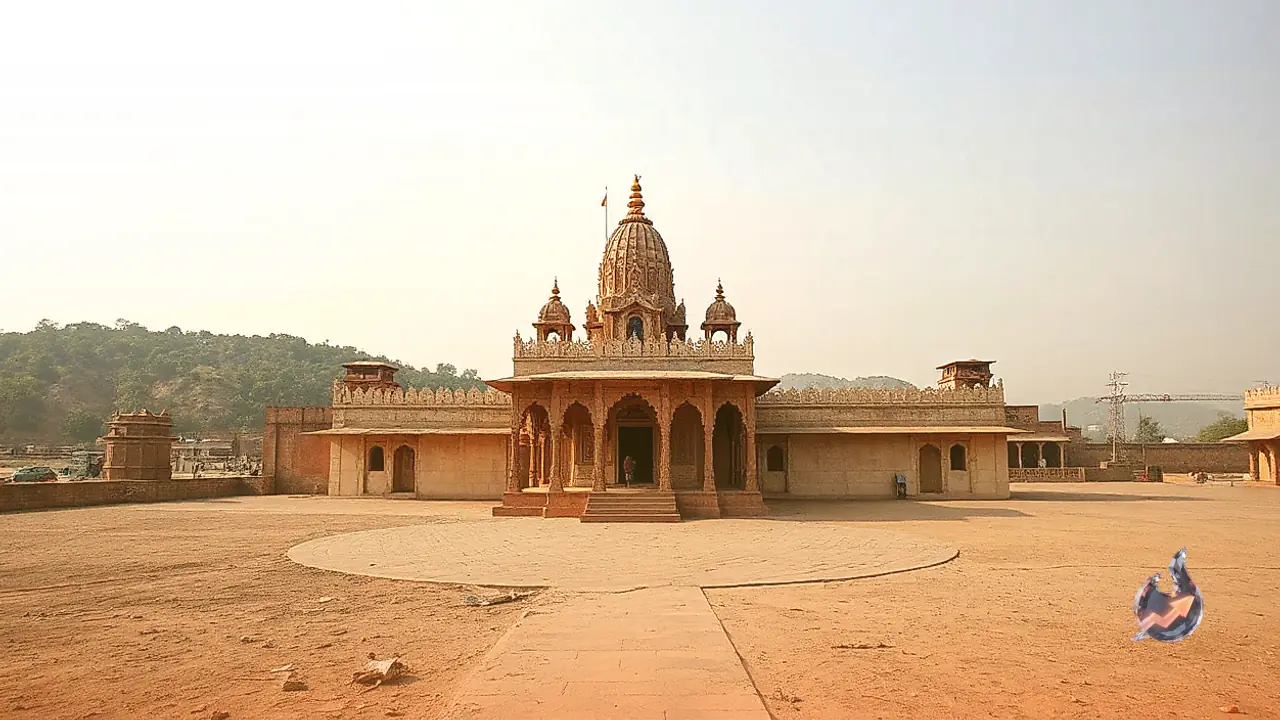

While the ravines of Dholpur in Rajasthan have historically been associated with rugged terrain and armed outlaw gangs, the region also preserves profound spiritual sanctuaries with deep historical roots. Perched beside the Chambal river within the perimeter of the ancient Shergarh Fort, a Panchmukhi Hanuman temple dating back approximately 220 years continues to stand as a revered symbol of uninterrupted devotion and royal legacy.
Foundation Laid by Maharaj Rana Keerat Singh in 1805
Situated roughly 5 kilometres south of the Dholpur district headquarters, this heritage shrine traces its origin directly to the founding era of the local princely state. Maharaj Rana Keerat Singh, the founder of the Dholpur Jat kingdom, commissioned the temple in the year 1805. After departing Gohad, he chose Shergarh Fort on the banks of the Chambal as his administrative seat, consecrating this shrine to reflect his steadfast spiritual commitments.
The royal house held profound reverence for Lord Hanuman, a devotion permanently captured in the kingdom's official state emblem, which prominently featured the divine motif of the deity.
Sacred Chants Resonated Unchecked Through Turbulent Decades
During the decades when notorious criminal networks dominated the Chambal wilderness, the sanctity and drawing power of this holy site remained thoroughly undiminished. According to long-standing local traditions, even amid times when gunshots frequently echoed across the valleys, devotional chants celebrating Rama along with recitations of the Hanuman Chalisa consistently filled the air around the shrine.
Maharaj Rana Keerat Singh personally visited the sanctum daily to conduct sacred rituals and offer prayers. Even after the kingdom later transferred its administrative capital to Kirtinagar, pilgrims continued traversing harsh terrain and challenging pathways without hesitation to seek blessings at the sacred complex.
Distinct Five-Faced Icon and Architectural Legacy
The principal highlight of the complex is the striking deity icon depicting five distinct sacred faces. Today, the complex endures as one of the most prominent living monuments of the architecture, history, and religious traditions fostered under the Jat dynasty of Dholpur. Standing in sharp contrast to the intimidating historical reputation of the surrounding badlands, the riverside complex remains a beacon of serenity and resilient spiritual conviction.