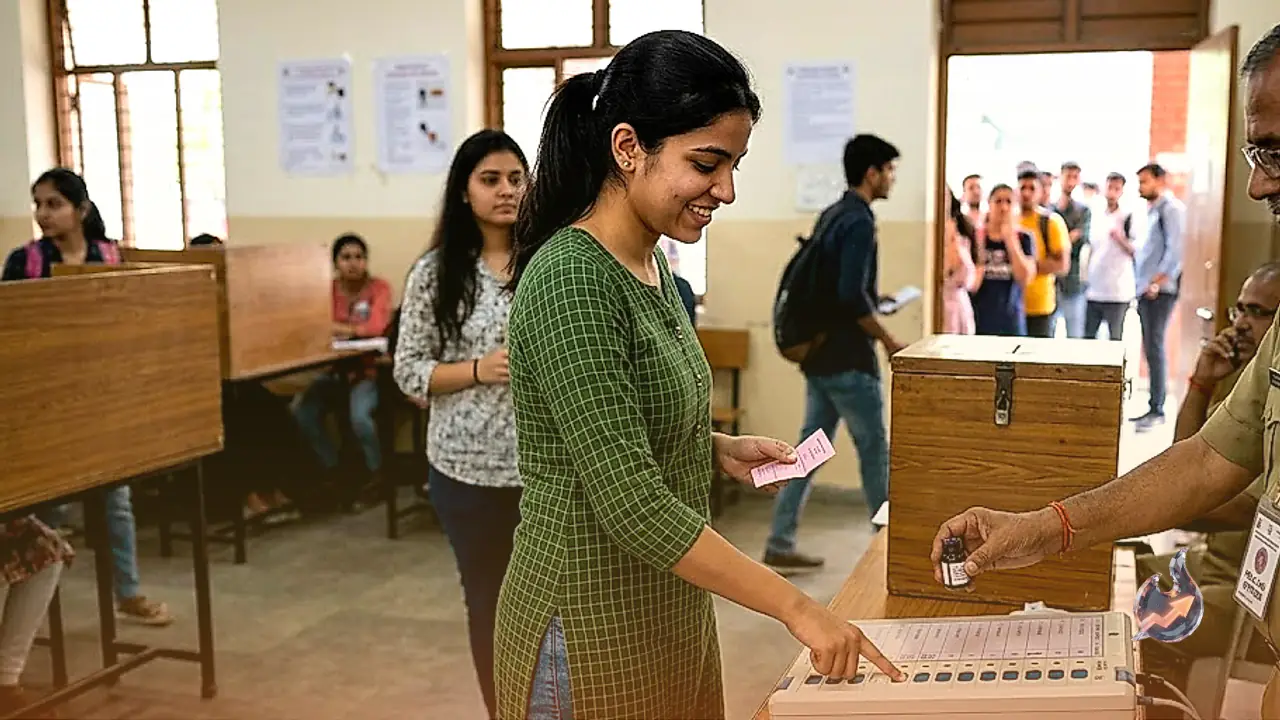
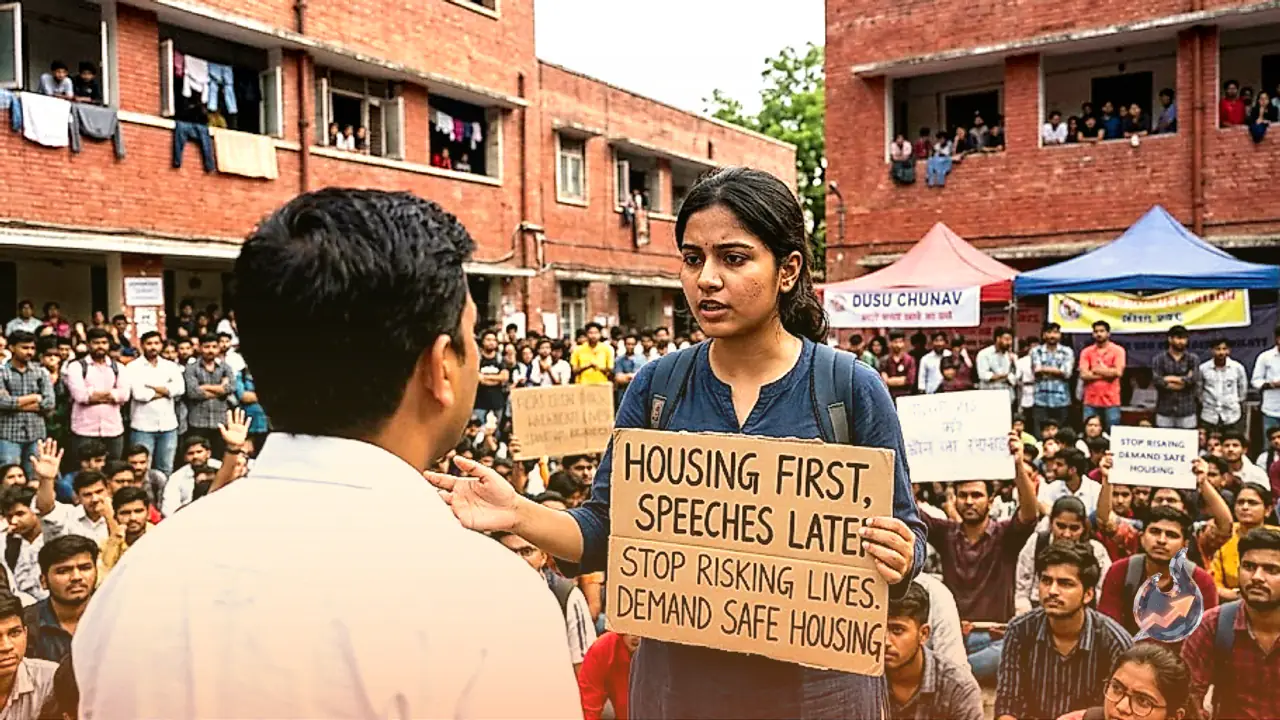


















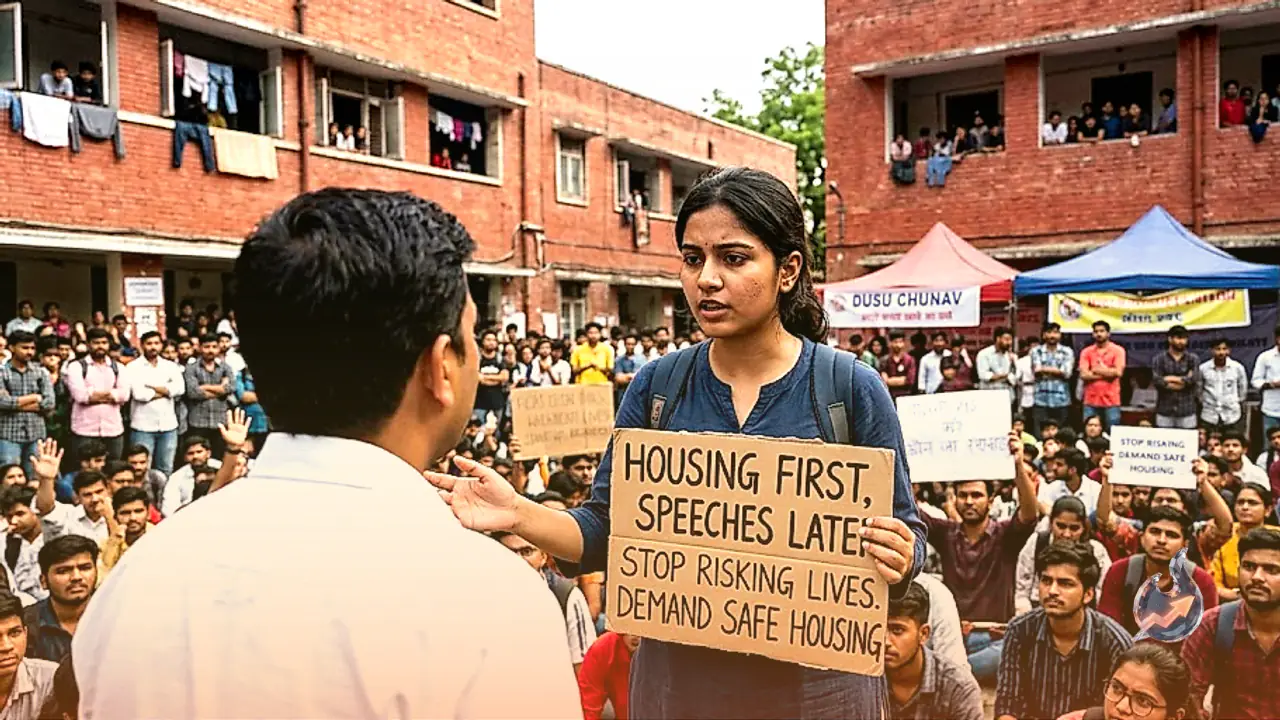

Voting for the Delhi University Students Union (DUSU) elections is currently underway, bringing a surge of high energy and competitive buzz from the north campus to the south campus. While the air remains filled with traditional slogans and a shower of pamphlets, the overall political wind has clearly shifted direction. In previous years, university politics generally revolved around attendance regulations, fee hikes, or standard college festivals. However, the core issues have completely transformed this time around. As students queue up at polling booths to cast their ballots, a single urgent question occupies their minds: where will they find a safe room to live during their studies?
The Rising Student Housing Crisis
This massive shift did not happen overnight. Every year, hundreds of youths arrive in Delhi University from every corner of the country to pursue higher education, but the university lacks adequate hostel facilities to accommodate them. Inside a campus serving over 250,000 students, only a handful of hostels exist, failing to house even four percent of the student body. Millions are forced to seek shelter in private paying guest accommodations and rented rooms. A tragic PG accident in the Satya Niketan area exposed the hollow nature of this entire system, leaving parents sleepless and students gripped by fear. Consequently, the hostel issue in the 2026 DUSU elections has ceased to be a mere political gimmick and has become a pressing demand in every household.
Challenging Empty Political Promises
For years, politicians in Delhi University elections secured votes by organizing massive rallies and dangling dreams of celebrity star nights. However, the modern Gen Z voter has evolved. Today's students refuse to fall into the trap of these hollow assurances. Candidates representing major student organizations like ABVP and NSUI now face a student body that must endure morning classes followed by evening scoldings from PG landlords and the burden of paying sky-high rents. An interesting battle emerged in this election cycle's manifestos, with ABVP focusing heavily on student housing by promising separate girls' hostels and a student housing cell in every college, while NSUI introduced a rent control policy and a verified portal to protect students from financial exploitation. Adding further heat to the political climate, the Delhi government announced the creation of 10,000 new hostel beds right before the elections.
Safety Concerns Overshadow Routine Politics
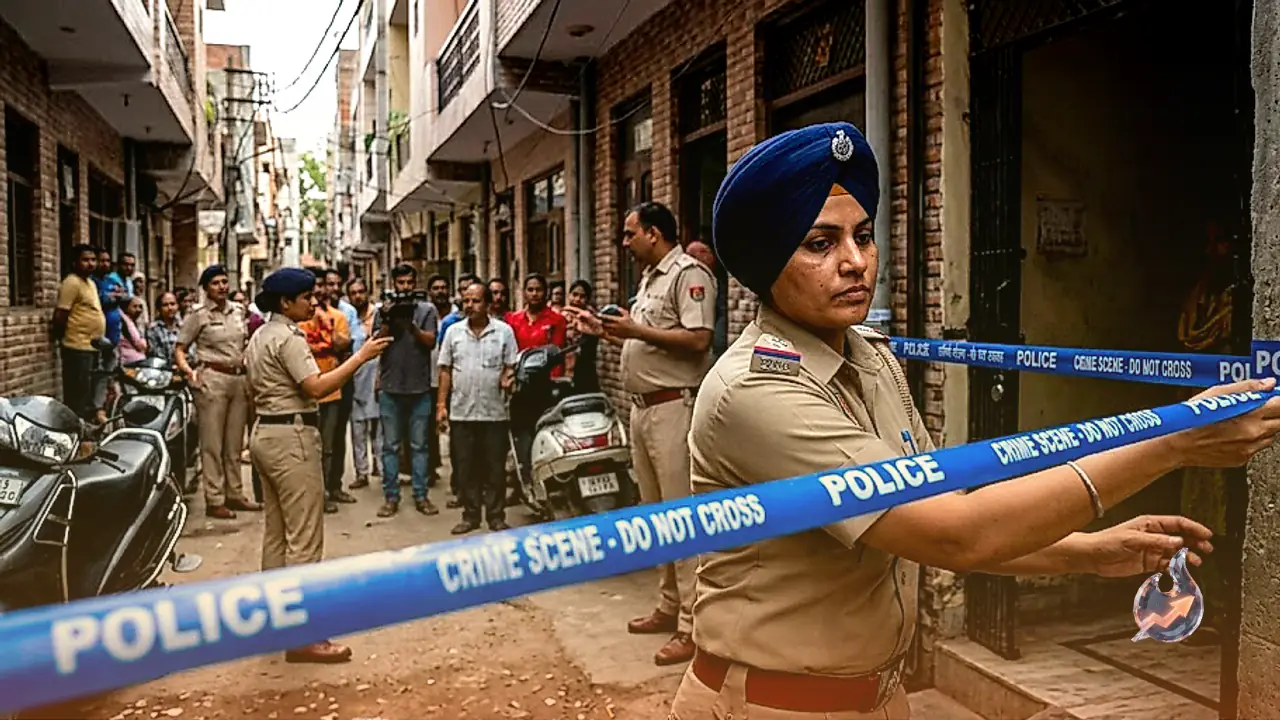
The primary trigger behind this complete realignment of election equations was the catastrophic incident in the Satya Niketan locality of the south campus, where a multi-story private PG building collapsed entirely. Several innocent students lost their lives in that disaster, and the appeals for help originating from beneath the rubble shook the conscience of Delhi. From fire incidents in coaching centers across Mukherjee Nagar to the debris in Satya Niketan, it became glaringly evident that private paying guest accommodations provided to students in Delhi function as death traps. These rooms routinely lack basic fire safety compliance and proper ventilation, while charging rents that financially break ordinary families.
A Demand for Serious Accountability
Following these tragic accidents, student organizations have been forced to reorder their priorities. Campaign trails now focus on serious matters like mandatory safety audits for PGs, securing fire NOCs, and reining in unchecked rents rather than just dancing to loud DJ music. Delhi University students are openly demanding whether the value of their lives is restricted solely to casting a vote. They are urging leaders to move past empty rhetoric and address the fundamental crisis of secure student housing once and for all.