





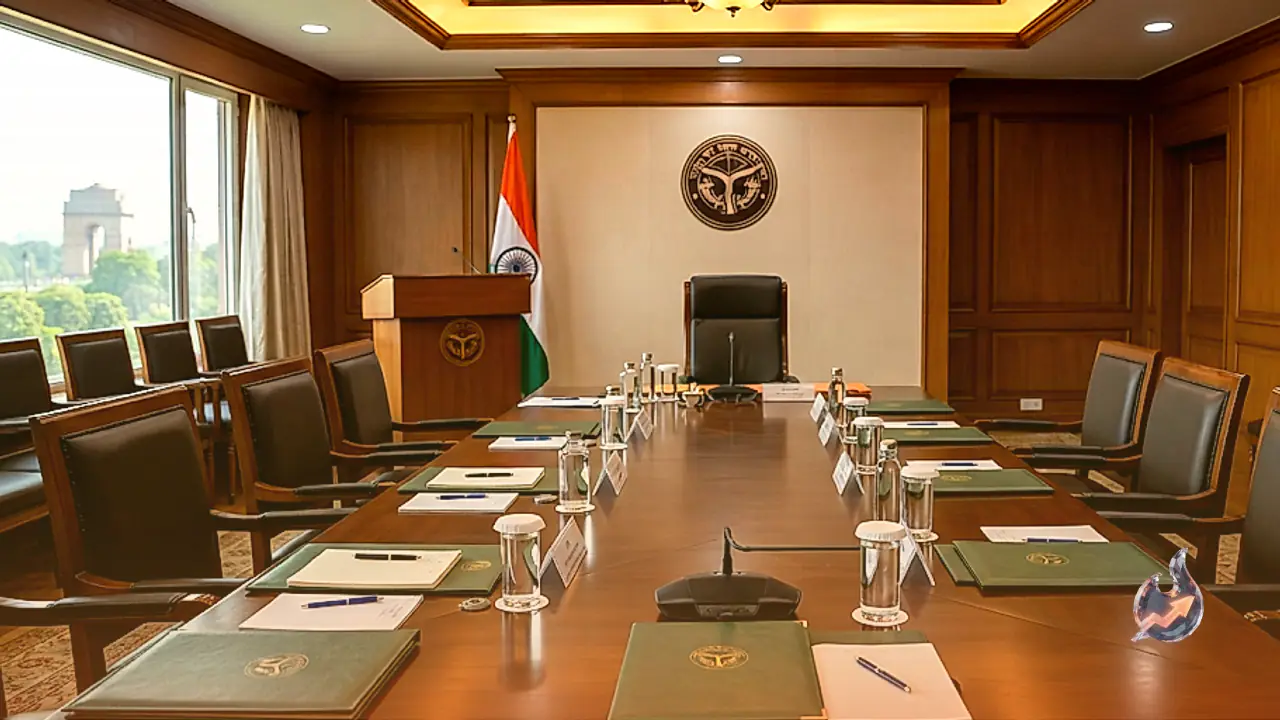

















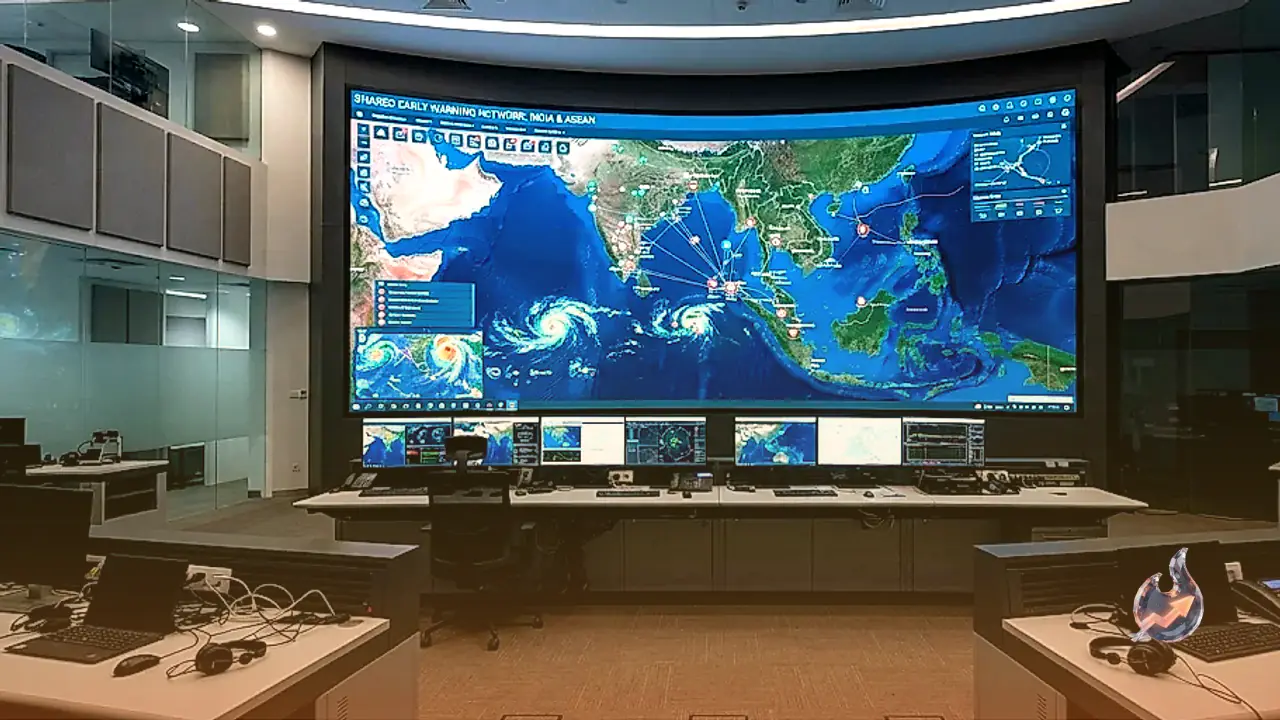

During the 23rd ASEAN-India Summit held in Manila, India and the Association of Southeast Asian Nations agreed to significantly expand their cooperation in natural disaster management. According to a joint statement released following the meeting, both sides will focus on bolstering early warning mechanisms, sharing real-time satellite and meteorological data, conducting joint preparedness exercises, and ensuring swift delivery of humanitarian aid during emergency situations.
Comprehensive Approach Across the Entire Disaster Cycle
Prime Minister Narendra Modi and leaders of the 11-member regional bloc discussed key initiatives to further reinforce their comprehensive strategic partnership. The joint statement acknowledged that both India and Southeast Asian nations face persistent exposure to natural hazards, including earthquakes, tsunamis, floods, cyclones, severe heatwaves, and landslides. In light of these shared vulnerabilities, both parties emphasized the urgent necessity of building regional resilience against natural calamities.
The agreed framework spans the complete disaster management lifecycle, encompassing prevention, emergency preparedness, rescue operations, and long-term rehabilitation. To achieve seamless operational coordination, India's National Disaster Management Authority (NDMA), the ASEAN Committee on Disaster Management (ACDM), and the ASEAN Coordinating Centre for Humanitarian Assistance on Disaster Management (AHA Centre) will hold regular consultations and harmonize their institutional protocols.
Leveraging Space Technology and Real-Time Information
A central pillar of this partnership is the integration of space-based data and advanced technologies for disaster risk assessment, monitoring, and forecasting. Under the framework, participating nations will voluntarily share satellite observations, seismic monitoring findings, and weather forecasts in accordance with their respective domestic laws and regulations. This initiative builds directly upon ongoing space sector collaboration between India and ASEAN member countries.
Timely warnings play a critical role in mitigating the loss of human lives during severe weather events such as tropical storms, tsunamis, and major floods. By sharing satellite-based imagery and environmental monitoring data, emergency response agencies across the region will be far better equipped to track evolving disasters in real time and deploy resources efficiently.
Understanding ASEAN and Its Strategic Global Partnerships
Established in 1967, the Association of Southeast Asian Nations is a prominent regional intergovernmental organization dedicated to accelerating economic growth, fostering political stability, maintaining regional security, and promoting cultural exchange. The 11 member states of ASEAN are Brunei, Cambodia, Indonesia, Laos, Malaysia, Myanmar, the Philippines, Singapore, Thailand, Timor-Leste, and Vietnam.
In addition to India, several major global powers act as dialogue partners to the bloc, including the United States, China, Japan, and Australia. The summit in Manila provided an important opportunity for Prime Minister Narendra Modi and ASEAN leaders to review joint progress and map out future strategies to protect millions of citizens across the Indo-Pacific region from unpredictable natural disasters.