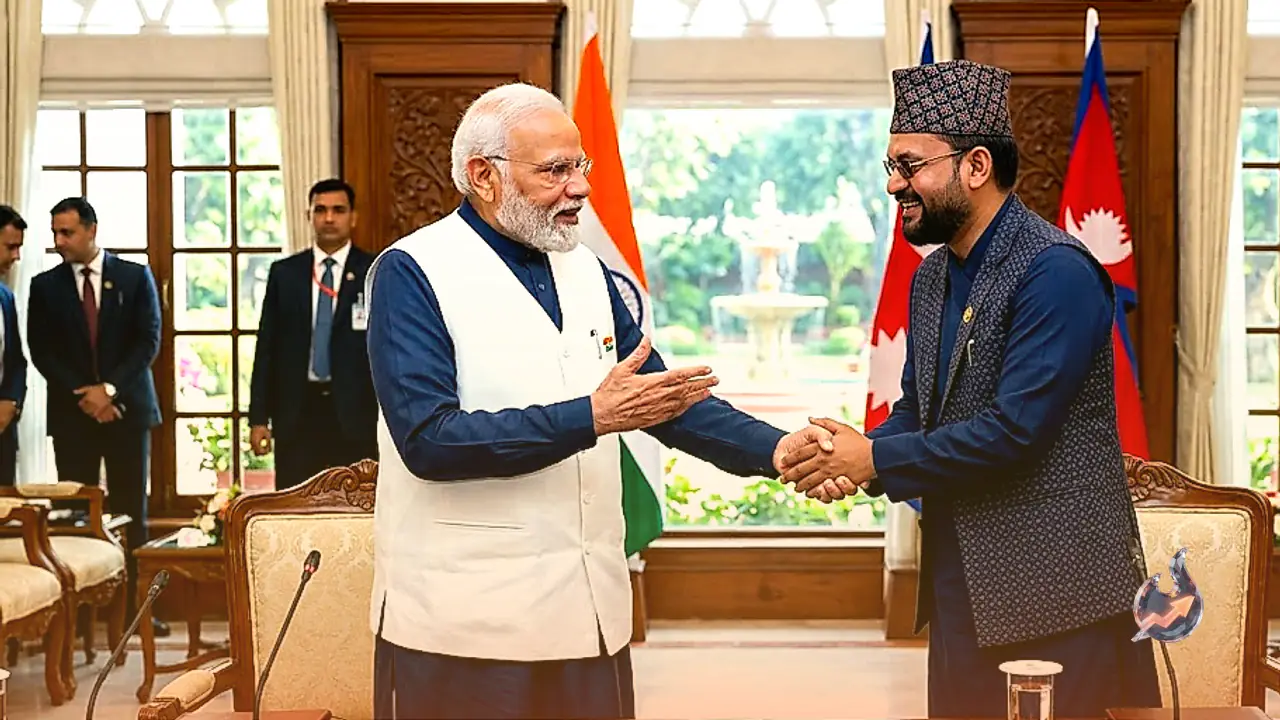



















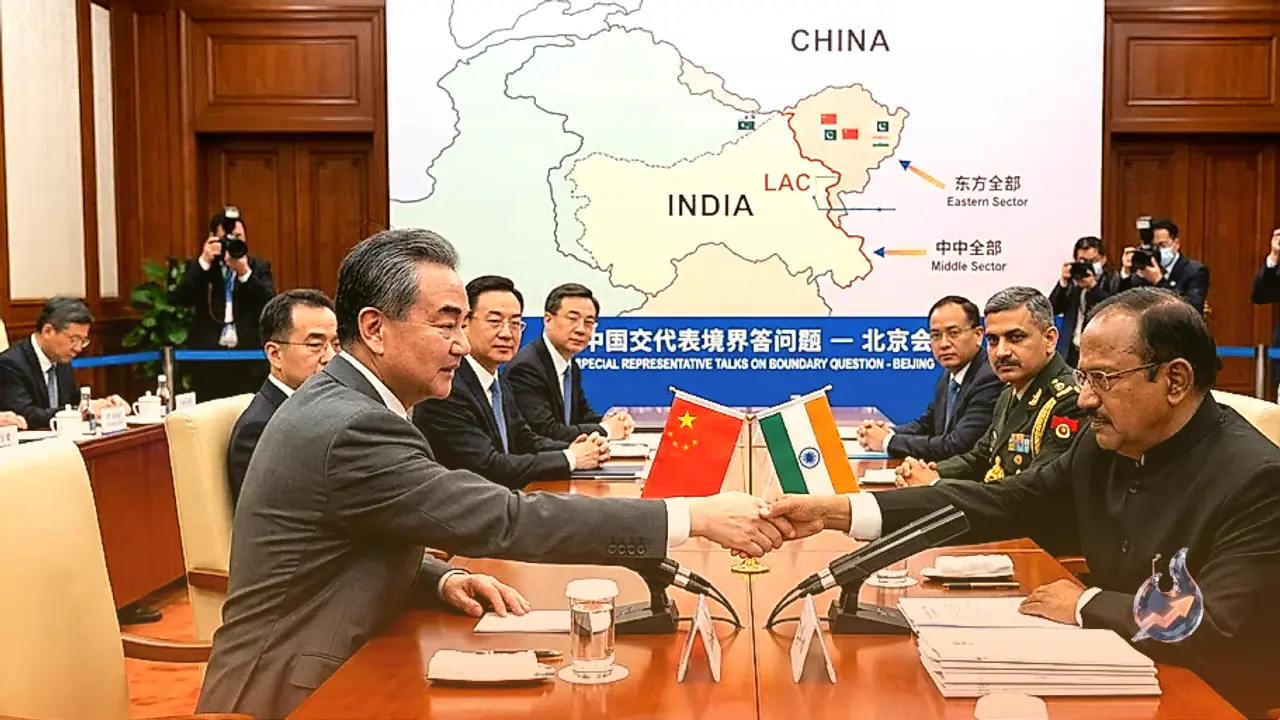

In a significant diplomatic move aimed at addressing complex border dynamics, the 25th round of Special Representative talks between India and China concluded successfully in Beijing on 25 August. India's National Security Advisor Ajit Doval and China's Director of Foreign Affairs and Special Representative Wang Yi led their respective delegations during the high-level discussions. The bilateral dialogue comes at a crucial juncture when preserving peace and stability along the Line of Actual Control (LAC) remains a top priority for both nations. Beyond seeking a permanent resolution to the long-standing boundary question, the talks focused heavily on easing border tensions, reinforcing military and diplomatic contact mechanisms, and broadening bilateral cooperation. Following comprehensive negotiations, both countries arrived at an eight-point consensus encompassing key initiatives such as establishing two new military hotlines, identifying new meeting points, expanding the Kailash Mansarovar Yatra, and reopening designated border trade centers.
Top Leadership Directives for Maintaining Peace on the LAC
Throughout the dialogue, both delegations emphasized that maintaining tranquility and peace along the border regions is vital for the overall health of bilateral relations. Reaffirming their commitment, the representatives stated that both sides would strictly follow the directives issued by their respective top leaders. Both India and China maintain that a peaceful environment along the border serves as an essential foundation for steering bilateral ties back toward a normal, stable, and predictable trajectory. Both nations recognized that avoiding friction along the LAC is critical for fostering long-term confidence.
Permanent Settlement of Border Disputes Based on 2005 Agreement
Moving toward a durable resolution of the boundary dispute, the two sides resolved to advance negotiations structured around established diplomatic frameworks. The discussions will build upon the 2005 agreement and consensuses achieved in subsequent Special Representative meetings. The overarching objective remains arriving at a fair, reasonable, and mutually acceptable boundary settlement that respects the core interests of both nations. By continuing structured talks, both sides aim to create a lasting solution that can definitively resolve the decade-old border issue.
Separate Working Groups for Border Demarcation and Border Management
To streamline discussions and tackle technical challenges effectively, the meeting formulated a dual-track operational framework. Border demarcation and border management will be handled by distinct, specialized bodies. The expert group and the border management working group will independently push forward their respective agendas. In the initial phase, both groups will define their specific mandates, operational scopes, and responsibilities. Once these foundational terms are established, detailed negotiations regarding boundary alignment and day-to-day border management will proceed systematically.
Two New Hotlines and Meeting Points in Eastern and Middle Sectors
In a major effort to bolster ground-level operational coordination and trust, India and China agreed to establish two new senior military officer meeting points along the border. These designated locations will allow field commanders from both armies to engage in direct, face-to-face dialogue. Furthermore, the two nations decided to operationalize two new military hotlines specifically dedicated to the Eastern and Middle sectors of the LAC. This rapid communication framework will allow high-ranking military commanders to communicate instantly during emergencies, helping to clarify localized misunderstandings before they escalate.
Rapid Communication and Emergency Management Mechanisms on the LAC
To address emerging situations along the LAC with speed and efficiency, both countries agreed to utilize existing military and diplomatic channels fully. Local commander-level meetings and pre-established bilateral mechanisms will be utilized to handle any localized friction immediately. Should tensions arise, both sides will seek resolution through prompt dialogue, thereby minimizing the risk of miscalculations. Additionally, the representatives explored practical measures to refine and enhance their shared understanding of the LAC.
Resumption of Kailash Mansarovar Yatra and Opening of Three Border Trade Centers
Expanding the scope of engagement beyond military confidence-building, the talks yielded positive outcomes regarding civilian cooperation and cultural ties. India welcomed China's initiatives to increase the number of pilgrim batches traveling to Kailash Mansarovar in the Tibet region. Concurrently, both sides expressed satisfaction over the reopening of three designated border trade points. By agreeing to promote border trade, religious pilgrimages, and bilateral contact, both nations aim to rebuild economic and cultural connectivity alongside their security dialogue.
September Expert Talks on Sharing Trans-Boundary River Hydrological Data
Managing shared water resources also featured prominently in the bilateral agenda. India and China agreed to continue dialogue regarding trans-boundary rivers, scheduling the next expert-level meeting for September. This upcoming session will focus on the timely exchange of hydrological data and water flow information, alongside discussions on extending and renewing existing Memorandums of Understanding (MoUs). Given the strategic and ecological significance of shared river systems, consistent data sharing remains a priority for both sides.
26th Round of Special Representative Talks Scheduled for 2027 in India
Demonstrating a shared resolve to maintain open diplomatic channels, both countries decided that the 26th round of Special Representative talks will take place in India in 2027. This long-term commitment underlines that both nations view sustained negotiation as the only viable path forward. While the 25th round centered on ground stability, emergency communication, and confidence-building, the upcoming session in India is expected to further advance negotiations toward a comprehensive and permanent settlement of the border question.