






















India achieved a major milestone in indigenous defense technology on Thursday as the Defence Research and Development Organisation (DRDO) successfully conducted the maiden flight test of the 'Kusha' long-range surface-to-air missile. The test took place from the APJ Abdul Kalam Island off the coast of Odisha, marking a significant leap forward in the country's aerial defense capabilities and its ability to thwart future threats.
Flawless Interception of High-Speed Target
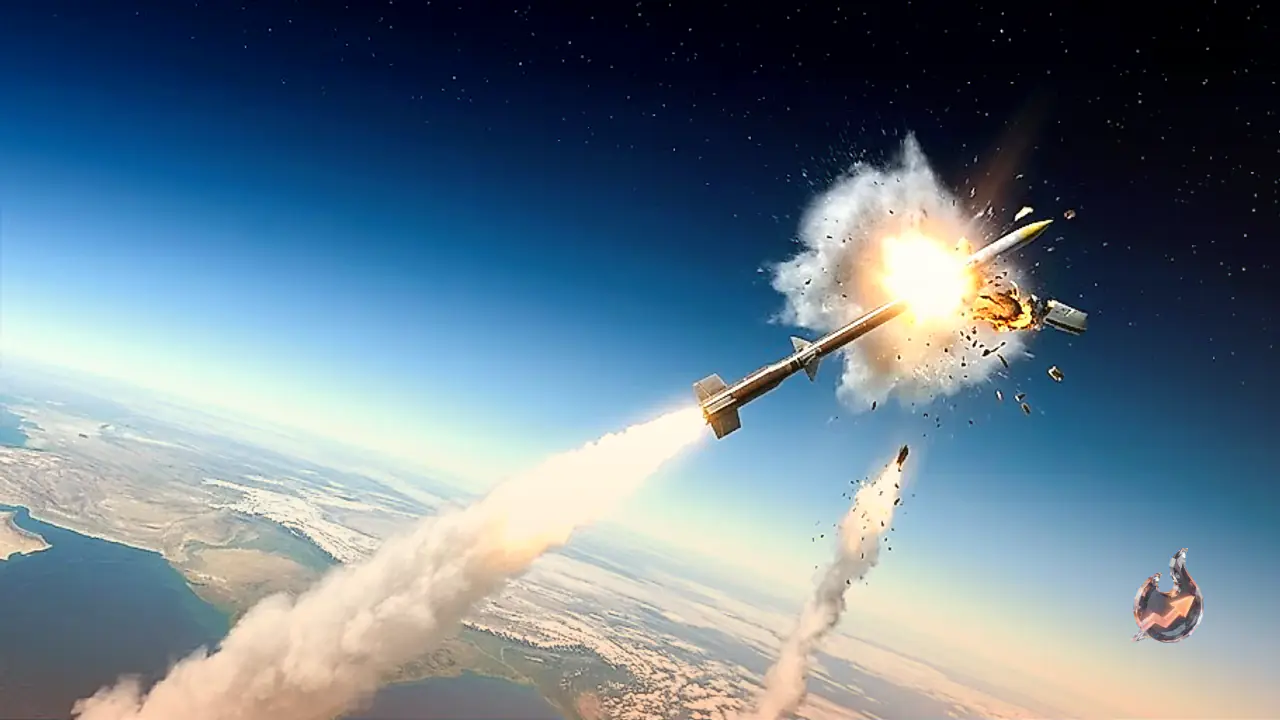
During its debut launch, the Kusha missile system was tested against an electronic target designed to simulate a high-speed, high-altitude aerial threat. The weapon system successfully tracked and intercepted the target mid-air, validating its precision and operational readiness. This test confirms the system's ability to lock onto and eliminate fast-moving incoming dangers before they can penetrate Indian airspace.
A 400-km Shield Against Fighter Jets and Drones
Developed under Project Kusha, the new missile acts as an impenetrable shield capable of neutralizing threats at a range of up to 400 kilometers. The advanced interceptor is engineered to destroy a wide array of aerial targets, including enemy fighter jets, incoming missiles, unmanned aerial vehicles (UAVs), and larger military aircraft. Experts note that this technology places India among a select group of nations with similar capabilities and will reduce future reliance on imported defense shields like the S-400.
Complete Indigenous Development
The entire Kusha weapon architecture has been built domestically. Multiple DRDO laboratories collaborated closely with Indian industry partners to develop every crucial element, from the missile itself to the sophisticated radar networks and the command and control centers. This successful trial not only proves the hardware's effectiveness but also highlights India's growing self-reliance in manufacturing state-of-the-art military technology.