















New 713km expressway will cut Indore-Hyderabad travel time in half, down to just 10 hoursIndia
6 Sept 2026, 11:43 pm (70 days ago)· 3

New 713km expressway will cut Indore-Hyderabad travel time in half, down to just 10 hours

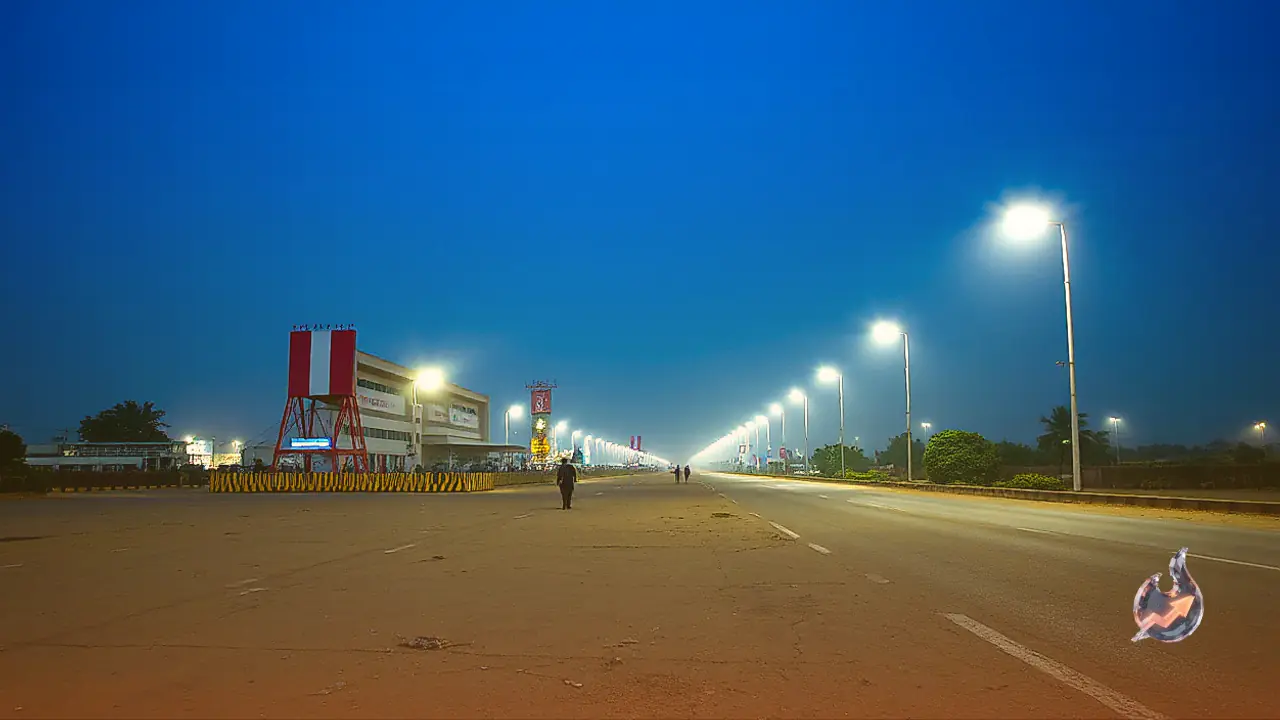
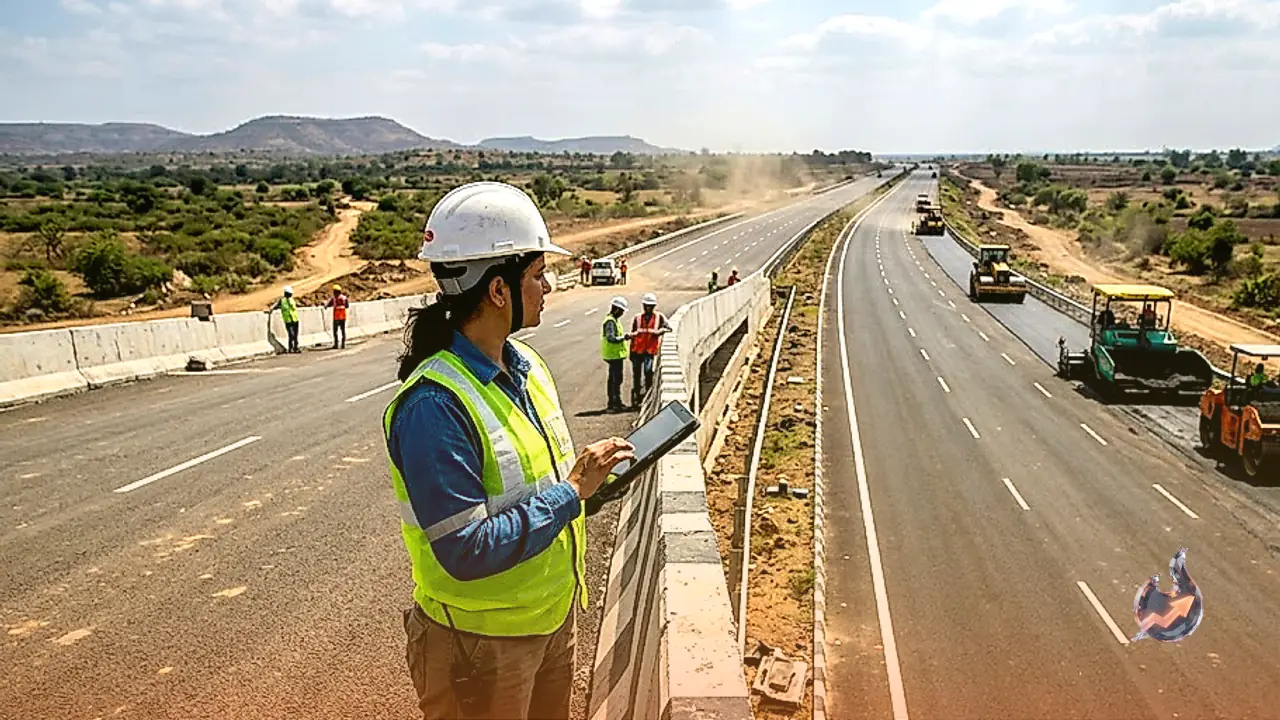
A 713-kilometre expressway being built between Indore and Hyderabad will cut travel time between the two cities from 21 hours to just 10 hours, with the project expected to be ready by December.

Expressways coming up across the country are quietly rewriting how long it takes to travel between distant cities, and one of the biggest examples of this is now taking shape between Indore and Hyderabad. Once the new high-speed corridor is ready, the travel time between the two cities will drop by almost half, turning what is currently a 21-hour road journey into roughly a 10-hour one.

A 713-km corridor linking three states

The National Highways Authority of India is building this roughly 713-kilometre expressway connecting Indore and Hyderabad. The corridor passes through Madhya Pradesh, Maharashtra and Telangana, threading through towns such as Khandwa, Jalgaon, Nanded, Washim and Hingoli before reaching Hyderabad. Large sections of the construction work in the Maharashtra and Telangana stretches are already complete, while work is still ongoing on the Madhya Pradesh side. The entire project is expected to be finished by December, after which all three states stand to benefit directly.

Also read

Currently 21 hours by road, even longer by train

At present, covering the roughly 850-kilometre road distance between the two cities takes anywhere between 20 and 21 hours. Interestingly, the train journey takes even longer, around 25 hours, making road travel the faster of the two even today. Because the new expressway measures only 713 kilometres, it will shave close to 150 kilometres off the existing route. On top of that, this four-lane highway will allow vehicles to travel at speeds of up to 100 km/h, bringing the total journey time down to just 10 hours. With both the distance shrinking and the speed rising, the time saved works out to nearly half of what the journey takes today.

The route: from Madhya Pradesh to Telangana

The expressway begins in Indore, Madhya Pradesh, and runs through Khandwa and Burhanpur before crossing into Maharashtra. It enters Maharashtra at Akola, then continues through Washim, Hingoli and Nanded on its way toward Telangana. Before finally reaching Hyderabad, it will also pass through Telangana towns such as Kamareddy, Medak and Sangareddy. Altogether, the corridor is expected to give close to 10 towns and cities across the three states direct connectivity, a shift that could also give a push to trade and industry along the route.

Three tunnels to tame a tricky hill stretch

The toughest engineering stretch on this entire project lies near Indore. Between Tejaji Nagar and the area spanning Khargone district and Balwara, there is roughly 33 kilometres of hilly, ghat terrain where building a conventional road is extremely difficult. To work around this, NHAI has decided to build three modern tunnels near Bheru Ghat and Chorl Ghat. Once these tunnels are ready, the risky drive through the ghat section will be eliminated entirely, letting travellers cross this entire hilly stretch safely in just about half an hour. That will not only save time but also significantly cut down the risk of accidents on this stretch.


Questions & Answers

How long is the new expressway between Indore and Hyderabad?
The expressway is around 713 kilometres long.
How long does the Indore-Hyderabad journey currently take?
It currently takes 20-21 hours by road and around 25 hours by train.
How much time will the journey take after the expressway is ready?
Once completed, the journey will take just 10 hours.
Which states does the expressway pass through?
It passes through Madhya Pradesh, Maharashtra and Telangana.
What speed will vehicles be able to travel at?
It is a four-lane expressway where vehicles can travel at speeds of up to 100 km/h.
How much shorter will the new route be?
The distance will drop from around 850 kilometres to about 150 kilometres less than the current route.
Why are tunnels being built for this project?
Near Indore, a 33-kilometre hilly stretch between Tejaji Nagar and the Khargone-Balwara area makes normal road construction difficult, so three tunnels are being built near Bheru Ghat and Chorl Ghat.
When is the project expected to be completed?
The project is expected to be completed by December.

Comments 5

Rohan Gupta@rohan-gupta·69d ago

This infrastructure upgrade goes beyond just cutting travel time; it will also accelerate the deployment of smart logistics, EV charging networks, and modern digital supply chains across this belt spanning Madhya Pradesh, Maharashtra, and Telangana.

Ravikash Gupta@ravikash·69d ago

The Indore-Hyderabad expressway is not merely a transport project, but a strategic move that will redefine trade dynamics across Madhya Pradesh, Maharashtra, and Telangana. This new high-speed corridor will directly connect 10 towns, significantly accelerating the supply chain for agricultural and industrial goods. If completed by December, it will lower logistics costs and catalyze regional economic growth across tier-2 and tier-3 cities in these three states.

Vikram Yadav@vikram-yadav·69d ago

Ravikash's analysis hits the nail on the head. The direct connectivity this 713-kilometre corridor provides to roughly 10 towns across Madhya Pradesh, Maharashtra, and Telangana will be a game-changer for regional commerce. Specifically, the three modern tunnels being built to conquer the difficult hill stretch near Bhairughat and Choralghat demonstrate how overcoming engineering hurdles in infrastructure development will accelerate regional economic momentum.

Karan Malhotra@karan-malhotra·69d ago

This expressway is not merely a transit route; it will significantly accelerate commercial and economic activities across Madhya Pradesh, Maharashtra, and Telangana. However, maintaining vehicle speeds of up to 100 km/h along this 713-kilometer corridor spanning three states poses serious safety challenges. With higher speeds increasing accident risks, law enforcement and traffic management agencies must proactively establish robust monitoring networks, modern surveillance systems, and rapid response frameworks to ensure public safety without compromise.

Arjun Mehta@arjun-mehta·69d ago

This high-speed corridor will not only link central India with southern states but also open new avenues for investment in relatively underdeveloped regions like Khandwa, Nanded, and Washim. As the route passes through tribal and agrarian pockets across Madhya Pradesh, Maharashtra, and Telangana, inter-state coordination between central and state governments will serve as the core pivot for the economic success of this massive infrastructure venture.

Citizen journalism

Become a TrendKia journalist

Voice of the people

Share news, photos and videos from your area with TrendKia and let your voice reach the nation. Every citizen a journalist.

Join now
CH 01 LIVE
TrendKia TV ON AIR
Chamar no WhatsApp