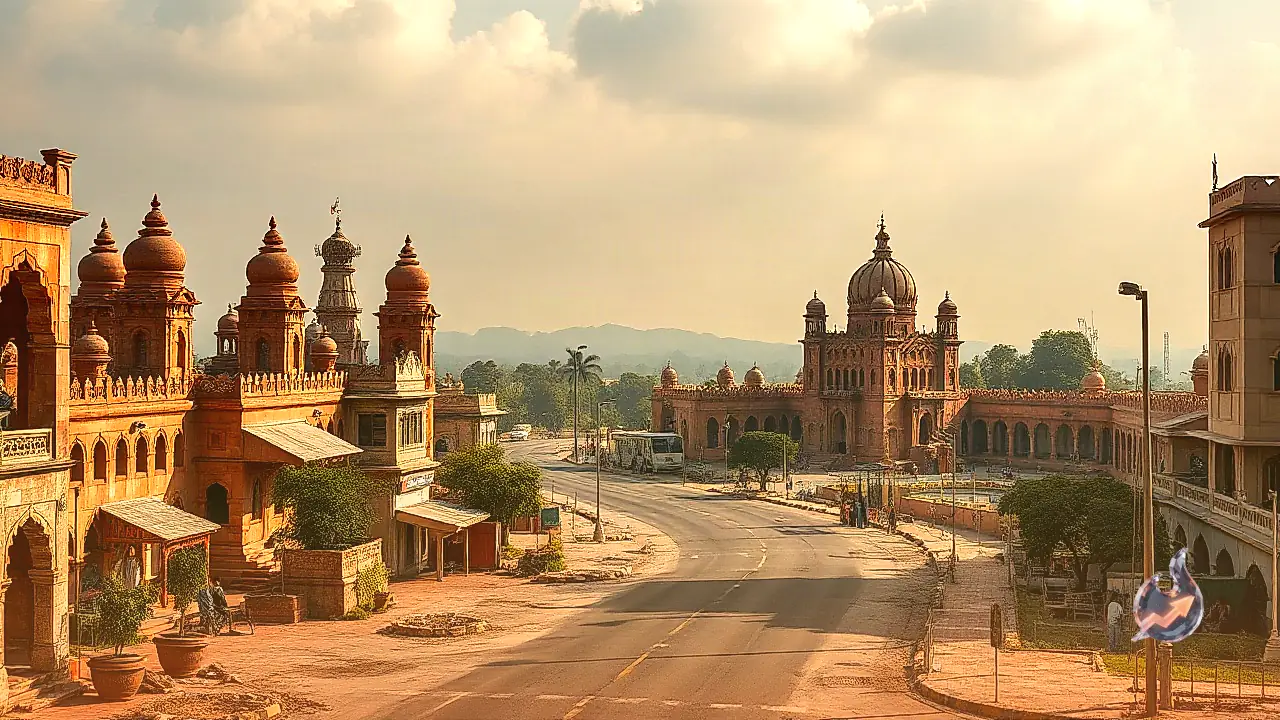























Following Japan's historic legislative decision in July 2026 to create a designated backup capital to protect governance from natural disasters, a global conversation has emerged regarding administrative resilience and decentralization. Japan's move is primarily aimed at insulating its central government operations from the catastrophic impact of a potential mega-earthquake in Tokyo. In the event of a severe emergency disrupting the metropolis, key executive functions would seamlessly transition to a pre-designated alternate city. This international development has rekindled a long-standing discussion within India regarding the necessity, feasibility, and strategy of establishing a second administrative capital.
Why Japan Enacted a Law for a Backup Capital
The legislative framework approved by Japan's parliament establishes explicit criteria and protocols for identifying and developing a secondary capital node. Prominent urban centers currently vying for the designation include Osaka, Fukuoka, Aichi (Nagoya), and Sapporo in Hokkaido. Among these candidates, Osaka is currently considered the frontrunner due to its state-of-the-art infrastructure, financial capabilities, and extensive transport connectivity. While the law outlines the technical parameters and selection standards, the ultimate authority to choose the official backup city rests with Japan's Prime Minister. Japan's proactive approach highlights a critical lesson for modern nations: relying entirely on a single urban core for complete governance presents inherent strategic vulnerabilities.
The Arguments and Context Behind India's Second Capital Debate
Unlike Japan, where the imperative for a secondary capital is driven primarily by seismic risks, the debate in India stems from distinct geographic, administrative, and strategic considerations. Proponents of a second capital in India emphasize the urgent need to bridge the geographical and cultural divide between Northern and Southern India, enhance national security, and improve administrative convenience for citizens residing in distant southern states. Because New Delhi is located in the far northern corridor of the country, citizens and officials from southern regions face substantial logistical hurdles when interacting directly with central government ministries and national institutions.
Dr. B.R. Ambedkar's 1955 Recommendation for Hyderabad
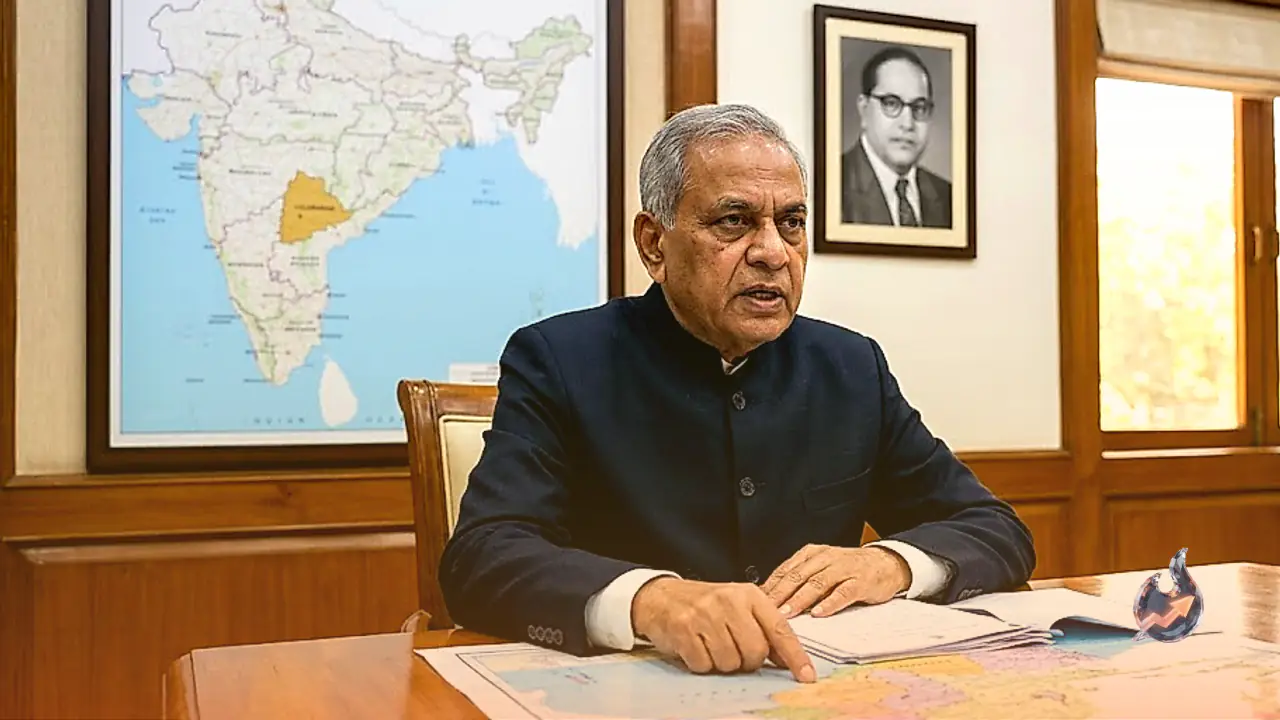
The most compelling historical advocacy for a secondary capital in India came from Dr. B.R. Ambedkar, the principal architect of the Indian Constitution. In his 1955 treatise, titled 'Thoughts on Linguistic States', Dr. Ambedkar presented a rigorous critique of retaining New Delhi as India's sole seat of power. He articulated three fundamental drawbacks associated with Delhi
- Geographical Disconnect: The vast distance between New Delhi and the southern states created severe inconvenience for citizens from South India, leaving them feeling alienated from national governance.
- Extreme Climatic Conditions: Delhi's harsh weather, characterized by scorching summer heat and intense winter cold, rendered it a challenging environment for continuous administrative operations.
- Strategic Vulnerability: Situated relatively close to international borders, New Delhi was vulnerable to potential aerial bombardment and military threats during times of war or international conflict.
To resolve these issues, Dr. Ambedkar strongly advocated for designating Hyderabad as India's second capital. He reasoned that Hyderabad possessed a central geographical location within the subcontinent, had well-developed infrastructure, provided a safe distance from hostile borders, and boasted a rich composite culture capable of acting as a unifying bridge between Northern and Southern India.
Karnataka's 2018 Proposal for Bengaluru as a Southern Capital
Decades after Dr. Ambedkar's recommendation, the proposal re-emerged in 2018 when Karnataka's then Housing Minister M. Krishnappa submitted a formal written request to Prime Minister Narendra Modi. The letter urged the Union government to officially declare Bengaluru as India's second capital or a primary southern administrative hub. Proponents argued that elevating Bengaluru would accelerate national integration and give Southern India a stronger voice in federal governance.
The Karnataka government highlighted Bengaluru's global status as a premier technology and innovation hub, its temperate climate throughout the year, rapid economic expansion, and modern urban infrastructure. Advocates asserted that these attributes made Bengaluru an ideal choice to host key central ministries, thereby relieving physical and infrastructural pressure on New Delhi.
Global Governance Models: Splitting Capital Functions
Several nations across the globe successfully distribute governance responsibilities across multiple cities to balance regional economic growth, manage historical rivalries, or separate distinct branches of government. A prime international example is the Netherlands. While Amsterdam serves as the official constitutional capital of the Netherlands, the actual seat of government, including the national parliament, executive ministries, and the Supreme Court, operates entirely out of The Hague. This model allows the Netherlands to preserve Amsterdam's cultural and historical prominence while keeping administrative functions efficient and focused in The Hague.
Is Shifting India's Capital Feasible? Practical Alternatives Explored
In the contemporary Indian context, completely relocating the national capital away from New Delhi is virtually improbable. Over several decades, massive public capital has been invested in building New Delhi's government infrastructure. Most recently, substantial resources were committed to the Central Vista Project, creating a state-of-the-art parliament building and centralized executive offices. Undoing these investments to shift the entire capital mechanism to another city would be economically impractical and administratively disruptive.
Nevertheless, experts argue that the core grievances underlying the demand for a second capital can be addressed through strategic decentralization rather than a complete geographic relocation. Two pragmatic solutions frequently advocated by policy analysts include
- Rotating Parliamentary Sessions in the South: The Union parliament could conduct regular winter or monsoon sessions in a major southern city. This approach mirrors the model used in Maharashtra, where the state legislature convenes its winter session in Nagpur, fostering regional inclusivity and government presence.
- Decentralizing the Supreme Court: Establishing permanent regional benches of the Supreme Court of India in major metropolitan centers such as Chennai, Mumbai, and Kolkata. This would democratize judicial access, making high-level legal recourse physically reachable and financially affordable for citizens across every corner of India.