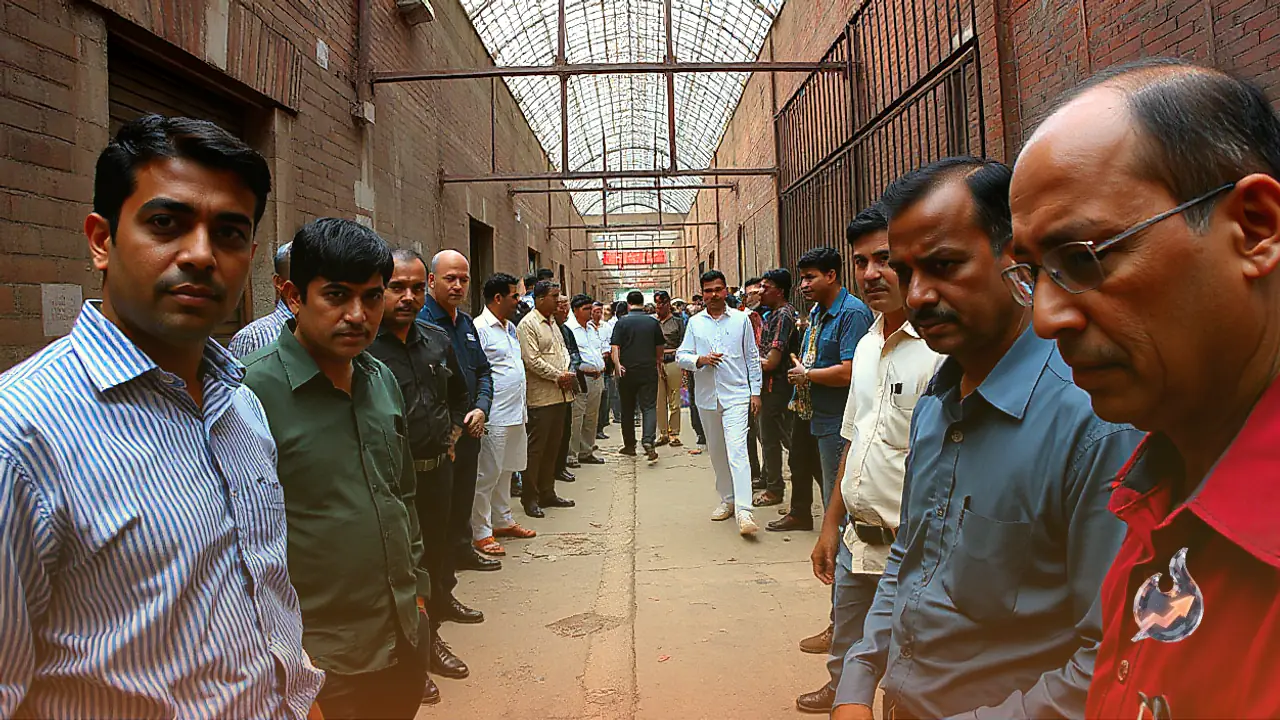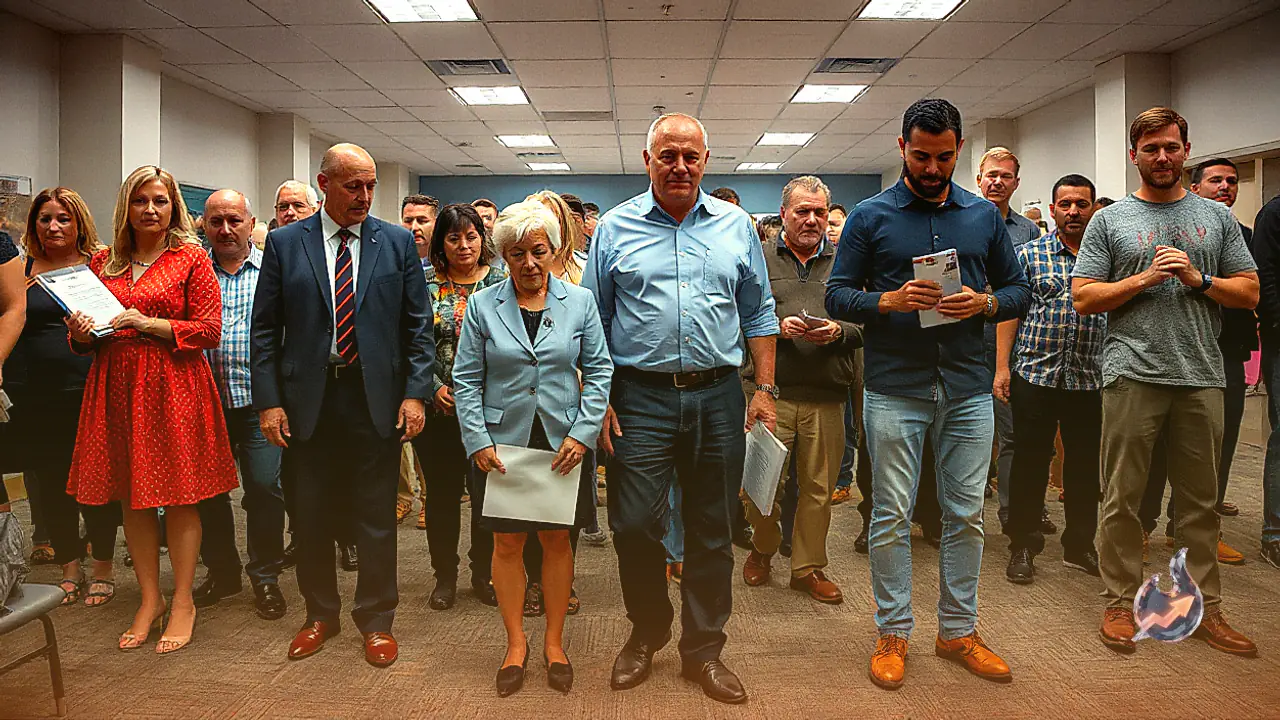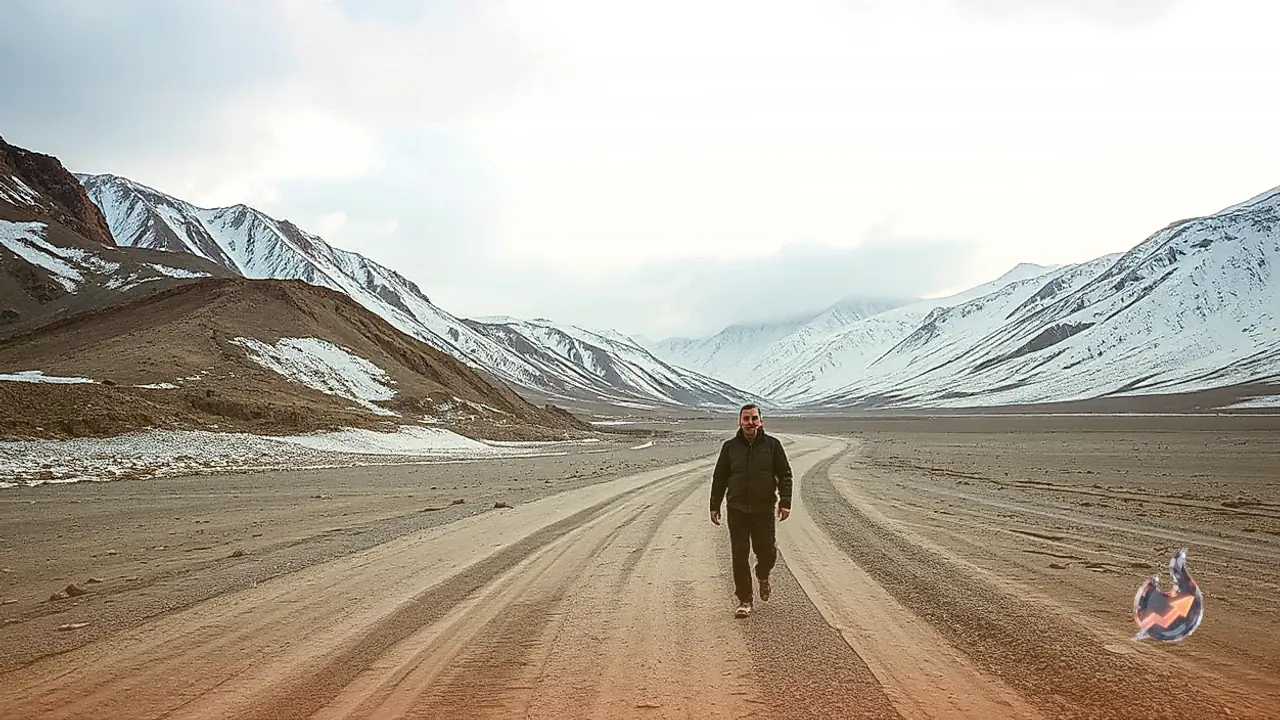

Citizens across Ladakh cast their votes in the region's first local body and panchayat elections since it was reorganized as a Union Territory in 2019. Despite intense cold and sub-zero temperatures recorded across multiple pockets, voter enthusiasm remained high throughout the day. Long queues were seen outside polling stations, comprising youth, elderly citizens, women, and Buddhist monks. These polls were viewed as a long-awaited milestone for establishing grass-roots governance under the UT administrative framework. Official turnout figures surpassed those registered during the previous local elections held in 2018. To ensure that residents in isolated geography could participate, administration officials deployed helicopters to transport polling staff and electoral materials to snowbound locations.
Sub-Zero Temperatures and the Lieutenant Governor's Statement
Election monitoring officials reported that despite severe weather conditions and geographic barriers, voters turned out steadily to elect representatives for local governance institutions. Lieutenant Governor Vinai Kumar Saxena described the exercise as a historic moment for the Union Territory and extended his gratitude to the public for their active participation.
In a post published on the social media platform 'X', the LG expressed appreciation to the residents of Ladakh for coming out in large numbers to vote in the panchayat and municipal elections. He highlighted that the voter turnout reached 73.60 percent for the Panch posts and 70.03 percent for the Sarpanch posts. Municipal council elections also saw a voter participation rate exceeding 52 percent. Saxena noted that this performance outperformed the 67.8 percent total turnout recorded during the 2018 panchayat elections, reflecting democratic engagement at the grassroots level.
Detailed Breakdown of Electoral Statistics and Figures
According to figures released by election authorities, the panchayat elections spanned 192 panchayat halqas across eight districts, covering a total of 192 Sarpanch positions and 1,428 Panch positions. Prior to the polling date, 55 Sarpanch candidates and 1,186 Panch candidates were elected unopposed. Consequently, active voting was conducted for the remaining 137 Sarpanch posts and 242 Panch posts.
In the urban local body segment, voting took place across all 21 wards of the Leh Municipal Council. In contrast, four out of the 17 wards under the Kargil Municipal Council saw candidates elected unopposed, leaving 13 wards where voters cast their ballots. Authorities had put extensive logistical measures in place to facilitate smooth polling across the topographically scattered territory.
Helicopter Deployment and Remote Area Logistics
Conducting polls in Ladakh's high-altitude and isolated terrain presented significant operational challenges. Officials noted that in the Zanskar region, road connectivity to three remote polling stations was entirely absent or impassable due to weather conditions. To address this, helipads and chopper services were utilized to air-drop election personnel and voting gear directly to those locations.
Inter-departmental coordination was maintained between election staff, security agencies, and various local administrative wings to transport polling machinery and establish basic facilities at extreme-altitude polling stations, ensuring that voters in isolated settlements were included in the process.
Political Developments and Concerns Raised by the Leh Apex Body
The local body elections were conducted alongside broader political discussions in the region. The 'Leh Apex Body' raised specific concerns regarding the scheduling and procedural aspects of local elections, particularly in relation to the upcoming Autonomous Hill Development Council elections.
Speaking at a press conference, Leh Apex Body Chairman Chering Dorjay Lakruk and environmental activist Sonam Wangchuk clarified that there was minimal public opposition to the grassroots civic and panchayat elections themselves. However, Wangchuk reiterated the demand to postpone the council elections scheduled for December 4. He stated that while villagers generally support the establishment of village-level local bodies, objections persist regarding the delimitation of council constituencies and the relocation of certain polling stations. Official data shows that 266 candidates are contesting seats across eight hill councils, with 36 out of 100 seats reserved for women candidates.
Grassroots Democratic Participation from Turtuk to Urban Centers
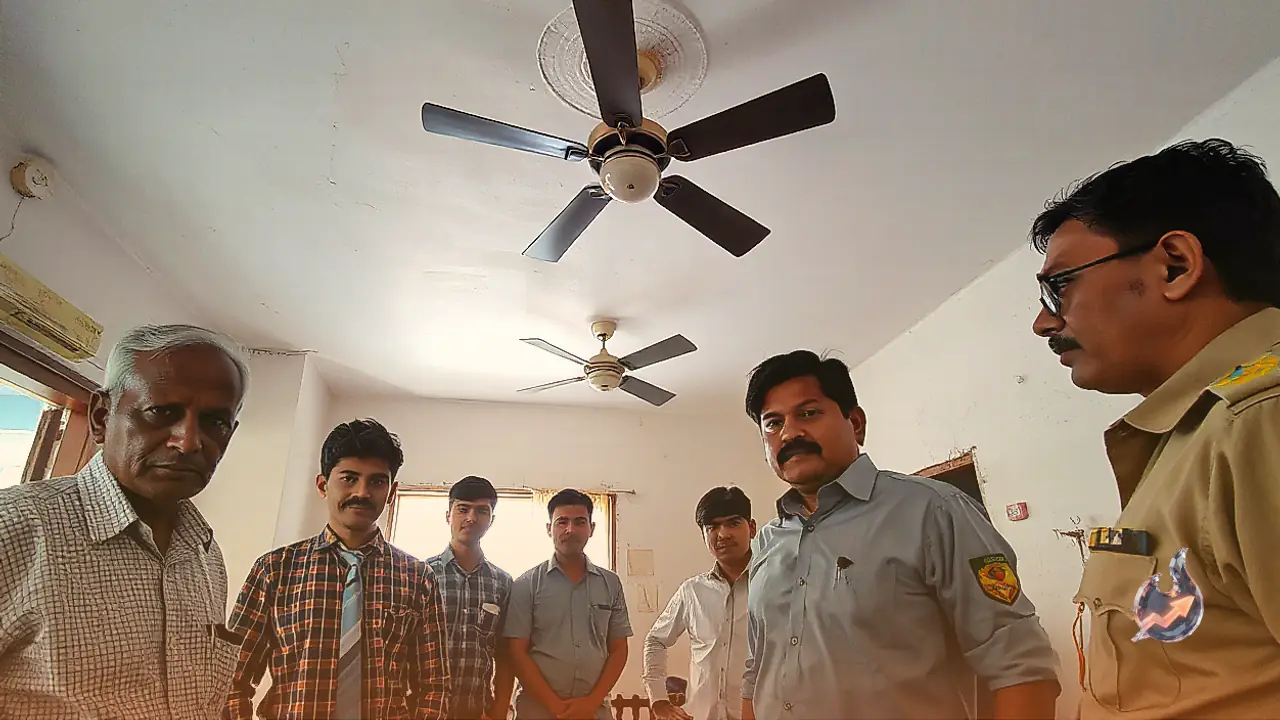
Voting commenced at 8:00 AM and concluded at 5:00 PM. Across both urban hubs and border villages, citizens participated in the democratic process. In Turtuk, one of India's northernmost villages, voters turned out to cast their ballots. Niyaz Maha, a voter from Turtuk Farul, emphasized the importance of exercising voting rights to choose local leadership capable of addressing community needs and local development priorities.