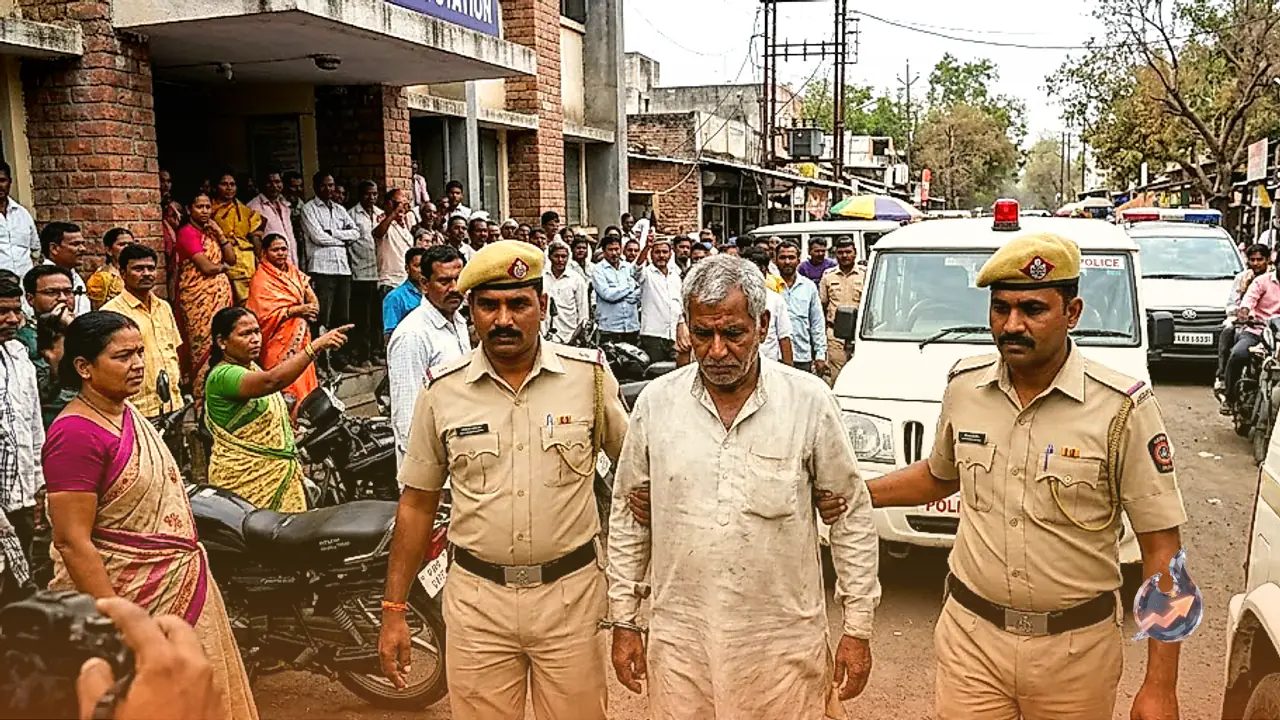





















In a notable development surrounding the high-profile alleged 2026 NEET-UG examination paper leak case, accused Dhananjay Lokhande has made headlines from behind bars over his request for reading material. Lokhande, who stands charged by the Central Bureau of Investigation as a key operative in the illicit paper distribution network, had moved an application before a special court in Delhi seeking permission to obtain religious and literary books inside Tihar jail. Granting conditional relief, the court directed prison authorities to allow the delivery of the requested books to the accused through his family members or legal counsel, subject to mandatory security clearances.
Hanuman Chalisa and Chhatrapati Shivaji Biography on Accused's Reading List
During the legal proceedings, the reading preferences submitted by Dhananjay Lokhande attracted significant attention. The accused specifically requested printed copies of the Hanuman Chalisa and the Mangal Stotra. Additionally, he sought the Marathi biographical book Shrimant Yogi, authored by renowned writer Ranjit Desai, which details the legendary life of Chhatrapati Shivaji Maharaj. The individual identified by the CBI as a central figure in compromising the integrity of a national competitive examination now seeks to spend his time in custody reading spiritual texts and historical literature.
Strict Security Inspection and Prison Manual Rules to Apply
Special Judge Ajay Gupta considered the arguments presented by the defense counsel alongside the prevailing circumstances before issuing the directive. While the court did not find the request to read books unreasonable, it imposed explicit security conditions. The court ruled that no printed material would enter the jail premises unexamined. Books brought in by Lokhande's family or lawyer must undergo rigorous security checks by prison officials and adhere strictly to the rules laid down in the Tihar jail manual before being handed over to the inmate.
CBI Uncovers Inter-State Leak Trail From Maharashtra to Sikar
According to the charge sheet compiled by the Central Bureau of Investigation, Dhananjay Lokhande served as a crucial conduit in the inter-state paper leak racket. Investigators allege that Lokhande dispatched his associates to Pune to collect the leaked examination paper from businesswoman Manisha Waghmare. The investigation revealed that Waghmare allegedly procured the question paper through subject-matter experts associated with the National Testing Agency panel. The leaked document was subsequently passed through multiple intermediaries until it reached the Biwal family in Sikar, Rajasthan.
Thirteen Accused Indicted in CBI Charge Sheet
The CBI has so far arrested 13 individuals and filed a comprehensive charge sheet detailing the conspiracy. Key figures named in the charge sheet include subject experts PV Kulkarni, Manisha Hawaldar, and Manisha Mandhare, alongside Manisha Waghmare and Dhananjay Lokhande. The investigative agency asserted that the clandestine network spanned across Maharashtra, Haryana, and Rajasthan, undermining the efforts of thousands of medical aspirants nationwide. All accused currently remain in judicial custody as trial proceedings get underway.
Court Rejects Defense Plea For Additional Document Inspection Time
During the same court session, co-accused Manisha Mandhare and Manisha Hawaldar submitted a plea requesting additional time to examine un-relied documents and evidence gathered by the prosecution. However, CBI prosecutors VK Pathak and Arjun Anand strongly opposed the application, informing the court that the defense had already been granted ample access. Prosecution lawyers pointed out that the accused had inspected the records for two hours daily on August 24 and August 25. Furthermore, Hawaldar's counsel was permitted to review the materials across August 25, 27, and 31, accumulating six to seven total hours of inspection time.
Daily Trial Mandate Under Amended Legislation
Dismissing the plea for more inspection time, Special Judge Ajay Gupta observed that the application lacked sufficient legal backing. The judge highlighted that under amended statutory framework, trial proceedings in such sensitive matters must be conducted expeditiously on a day-to-day basis to prevent unnecessary delays. The decision underscores the court's intent to proceed swiftly with the trial while CBI continues to present its charge sheet and evidence regarding the paper leak network.