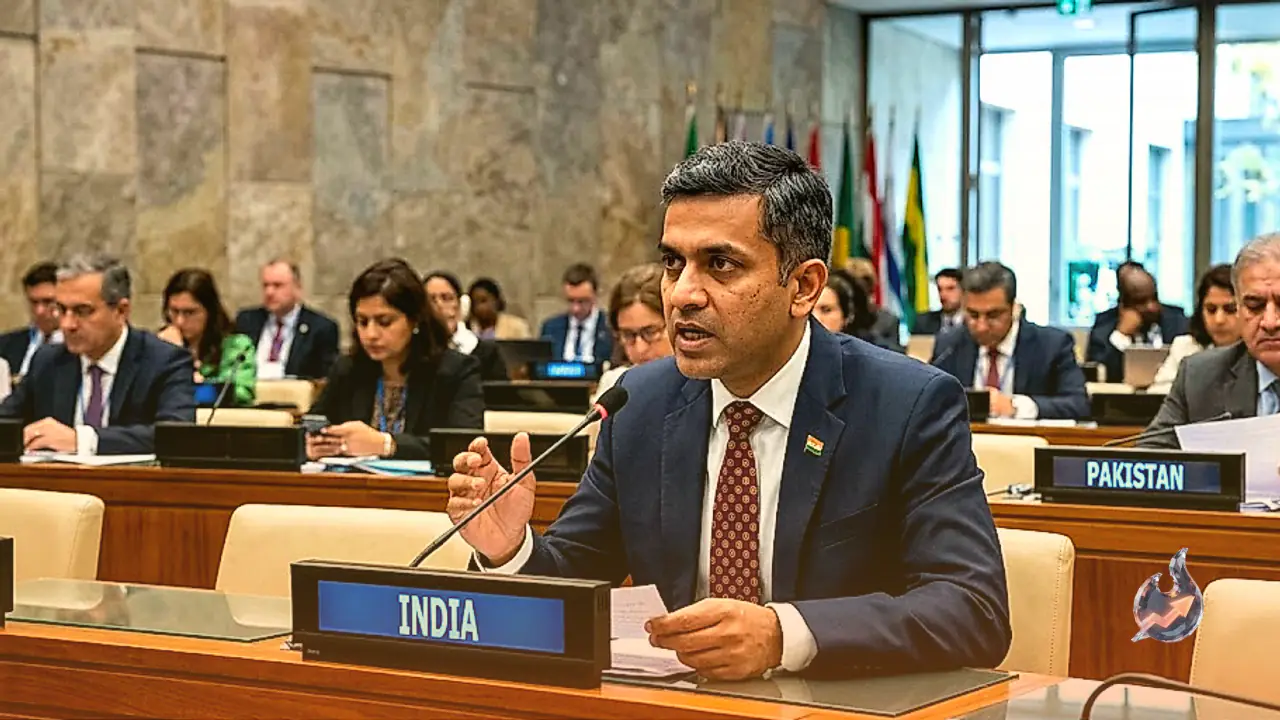






















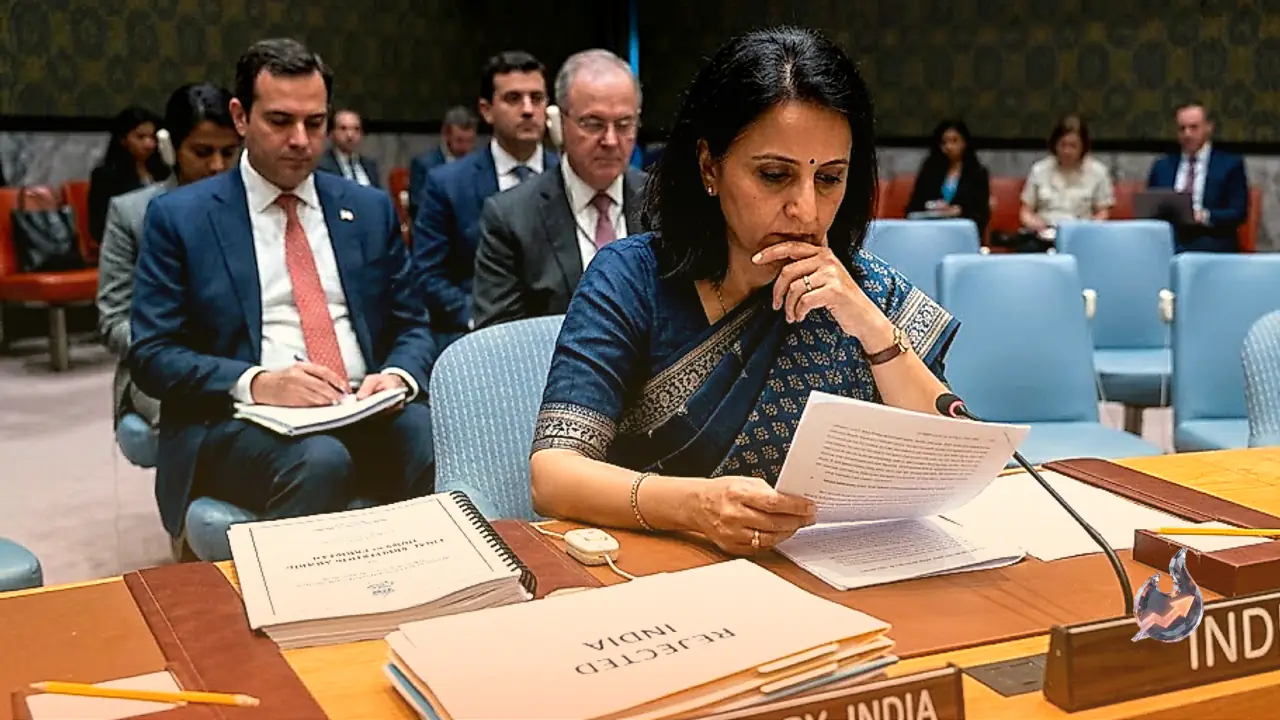

Pakistan's attempt to use the Indus Waters Treaty as diplomatic leverage against India at the United Nations has met with a firm rebuff from New Delhi. Islamabad recently circulated a letter among United Nations Security Council members, attempting to project a favorable narrative by citing an order from the Court of Arbitration. Reacting sharply to this outreach, India's Ministry of External Affairs called out Pakistan for distorting facts and trying to manufacture legitimacy for an unrecognized body. Ministry of External Affairs spokesperson Randhir Jaiswal clarified that New Delhi does not accord any legal validity to the tribunal whose ruling Pakistan has been brandishing before international delegates.
India Rejects Legal Validity of the Arbitration Award
Ministry of External Affairs spokesperson Randhir Jaiswal stated that Pakistan is deliberately presenting reality in a skewed manner. He pointed out that Islamabad has been portraying the document as an authoritative verdict from the Permanent Court of Arbitration, which is fundamentally incorrect. In India's assessment, the decision emanates from an illegally constituted tribunal that New Delhi has never recognized. India has maintained a consistent diplomatic stance that this tribunal possesses no jurisdiction over sovereign Indian choices, and consequently, any pronouncements made by it carry zero legal weight or bearing on New Delhi's policy actions.
The Suspension Roots in the April 2025 Pahalgam Attack
The core dispute extends far beyond diplomatic notes and procedural arbitrations, stemming directly from Islamabad's ongoing state sponsorship of terrorism. India suspended the operation of the Indus Waters Treaty following the horrific April 2025 terror attack in Pahalgam, which claimed the lives of 26 people. At the time, New Delhi made it explicitly clear that the water-sharing arrangement would remain held in abeyance until Pakistan demonstrates tangible, credible, and verifiable measures to dismantle cross-border terror networks operating from its soil. On August 31, the Court of Arbitration issued an assertion that the treaty remained binding and could not be unilaterally halted by India. New Delhi promptly disregarded the ruling, emphasizing that an illegally formed body holds no mandate to dictate India's sovereign security decisions.
Terrorism Must End Before Treaty Can Resume
Emphasizing New Delhi's firm posture, Randhir Jaiswal reminded that diplomatic statements alone cannot substitute for genuine anti-terror operations. Pakistan must offer verifiable proof on the ground rather than relying on rhetoric to persuade the international community. India has repeatedly connected the suspension of the Indus Waters Treaty to Pakistan's support for cross-border terror, reiterating that bilateral frameworks cannot function normally while terrorism against Indian citizens continues unabated.
Cosmetic Bounty Hike on Jaish Chief Masood Azhar
India also called out Pakistan's recent optics regarding Jaish-e-Mohammed chief Masood Azhar. In its updated most-wanted list, Pakistani authorities raised the bounty on Azhar by 20 lakh Pakistani rupees, taking the total reward to 70 lakh Pakistani rupees. New Delhi dismissed this revision as a cosmetic stunt designed to deflect international pressure, demanding instead that Pakistan take genuine and concrete steps against the terror mastermind. While Islamabad claims that Azhar has slipped out of its borders and is hiding in Afghanistan, assessments by Indian intelligence agencies suggest he could be sheltered in Nawabshah within Pakistan's Sindh province. Masood Azhar remains a prime wanted fugitive in India for masterminding catastrophic terror strikes, including the attack on the Indian Parliament and the Pulwama bombing.