























A fresh wave of tension has emerged following a massive, multi-state counter-terrorism sweep conducted by Indian security forces against Pakistan-backed terror and syndicate networks. Shahzad Bhatti, a notorious Pakistan-based gangster-turned-terrorist, has released a video message attempting to directly challenge the official disclosures made by Indian law enforcement. In the video, Bhatti rejected the claims made by Indian authorities, insisting that the individuals apprehended during the recent raids do not belong to his operative cells. Instead, he alleged that those arrested were affiliated with an entity he named as the Cockroach Janata Party (CJP). Furthermore, Bhatti issued a defiant claim stating that despite the extensive security raids, approximately 3,000 active members of his network remain at large. This public rebuttal comes shortly after Union Home Minister Amit Shah announced that security agencies had delivered a severe blow to the ISI-supported Shahzad Bhatti syndicate through a highly synchronized national operation.
The Coordinated 14-State Security Sweep and the Union Home Minister's Announcement
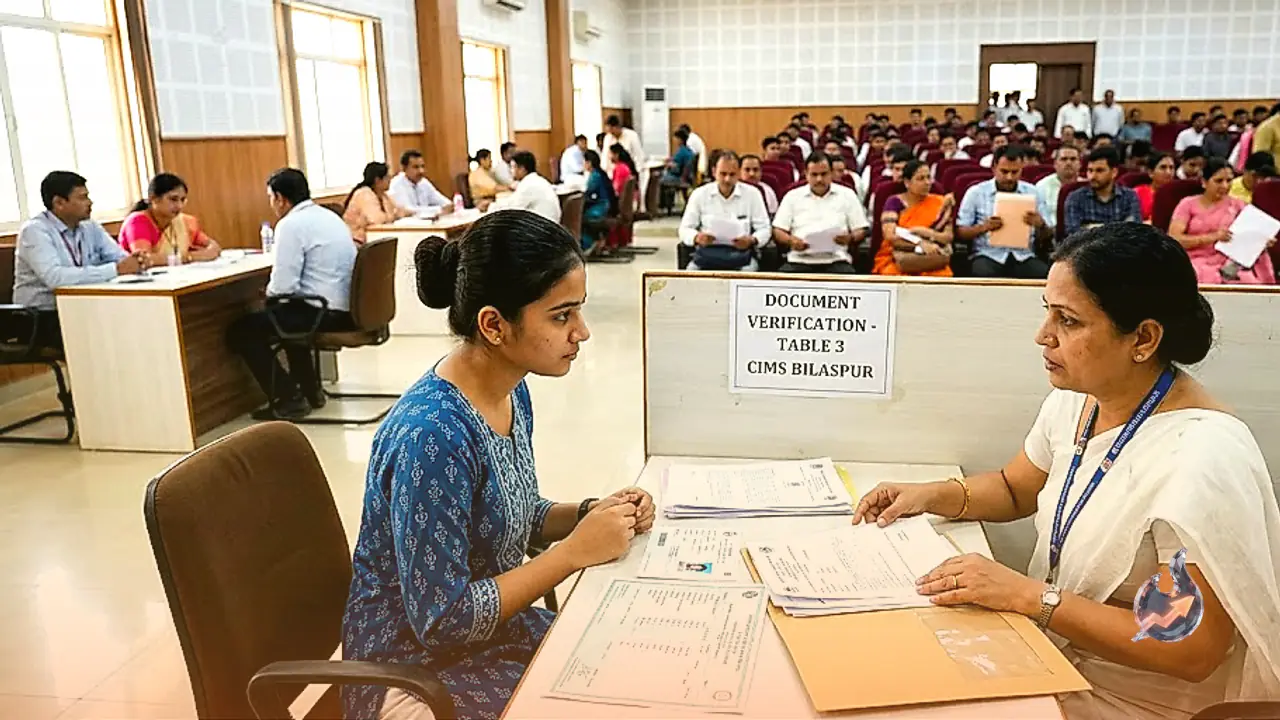
Union Home Minister Amit Shah recently outlined the details of a major anti-terror breakthrough executed by central and state security agencies. According to official disclosures, law enforcement personnel executed simultaneous raids across 14 states to dismantle the operational architecture of the Shahzad Bhatti network, which operates with direct backing from Pakistan's intelligence agency, the ISI. During this nationwide operation, security forces detained more than 250 suspects linked to logistical support, funding, and operational planning. Following preliminary interrogations, over 200 individuals were formally placed under arrest.
In addition to the round-up of suspects, law enforcement agencies seized a significant cache of illicit arms, military-grade explosive materials, and sophisticated electronic surveillance equipment. Investigative sources revealed that the syndicate had established deep footholds across multiple Indian states to facilitate targeted violence, radicalize local youth, and manage illegal weapons supply routes. The Home Ministry characterized the crackdown as a critical strategic success that neutralized a substantial portion of the cross-border terror-gangster nexus.
Shahzad Bhatti's Video Message and the 'CJP' Defense Claim
Days after the government announced the successful dismantling of the syndicate, Shahzad Bhatti released a video across social media channels to counter the narrative. Rather than remaining silent, Bhatti issued a direct challenge to Indian security agencies, demanding that authorities publicly display the unedited faces of all detained individuals alongside the weapons and explosives allegedly recovered from them. He maintained that those taken into custody had no operational ties to his organization and were instead members of the CJP.
To reinforce his stance, Bhatti pledged full financial assistance and legal representation for those associated with the CJP who were swept up in the arrests. Although independent investigative bodies have not verified any of Bhatti's assertions, counter-terrorism experts emphasize that the video cannot be ignored. Investigators note that the battle against such syndicates extends beyond physical ground operations to encompass the online propaganda machinery used to retain influence and manipulate public perception.
The '3,000 Active Members' Assertion: Analyzing the Rhetoric
The most notable claim made in the video centers on the strength of Bhatti's remaining cadre. He asserted that despite the multi-state crackdown resulting in over 200 arrests, nearly 3,000 trained and loyal operatives remain active outside the reach of law enforcement. Security analysts view this figure primarily as propaganda designed to salvage the syndicate's reputation following a devastating operational setback. While there is no independent confirmation regarding the existence of 3,000 active operatives, intelligence agencies are carefully analyzing the claim to assess latent threats.
Experts point out that when a major law enforcement operation dismantles a syndicate's command structure, lower-level operatives and prospective recruits often lose morale. By offering legal and monetary support to those arrested and boasting of 3,000 active members, Bhatti is attempting to signal to sleeper cells and local contacts that his organization remains resilient. The video serves as a strategic effort to project strength, counter government statements, and prevent the total collapse of his operational network.
The Jantar Mantar Connection and Investigation into Protest Exploitation
A critical aspect of Bhatti's video statement is his explicit reference to Jantar Mantar, a prominent protest venue in New Delhi. Bhatti claimed that several of the individuals apprehended by Indian agencies were previously involved in demonstrations at the site. This statement aligns with ongoing investigations by Indian intelligence agencies and Punjab Police into attempts by foreign-backed modules to exploit domestic public gatherings for subversive activities.
Punjab Police had previously uncovered evidence indicating that an ISI-sponsored module plotted to orchestrate attacks at Jantar Mantar, with several suspects traveling from Punjab to Delhi during public demonstrations. Bhatti's mention of the CJP and Jantar Mantar is being scrutinized by investigators to determine whether his syndicate actively infiltrated protest groups or if he is attempting to politicize the security action to obscure his criminal enterprise. Law enforcement officials stressed that rigorous verification is required before drawing definitive conclusions regarding these ties.
Digital Infrastructure: Social Media, Recruitment, and Financial Models
Findings from ongoing security probes demonstrate that Shahzad Bhatti's network relies heavily on digital platforms to conduct operations. The syndicate utilizes social media channels to identify, groom, and recruit vulnerable youth across various regions. Investigative reports indicate that recruits are initially offered small monetary payments to circulate propaganda material or post banners online. Once fully entangled in the network, operatives are offered larger financial incentives to carry out high-risk assignments, including targeted attacks and weapons transit.
Given this operational reliance on digital spaces, Bhatti's decision to release a video message immediately after the raids represents a calculated effort to maintain his digital footprint. For an online recruitment model to function, the leadership must project an image of continuity and safety. Had Bhatti remained silent, his supporters might have concluded that the network was completely neutralized, shutting down recruitment and funding channels. The video thus functions as a defensive measure to maintain online visibility and challenge the credibility of law enforcement agencies.
Future Counter-Terrorism Challenges for Security Forces
The emergence of Bhatti's video underlines the evolving challenges facing Indian counter-terrorism agencies. Law enforcement efforts can no longer focus solely on physical arrests and weapons seizures; agencies must simultaneously disrupt the digital ecosystem supporting these networks. This task requires dismantling encrypted communication channels, identifying proxy servers, and tracking international hawala and online funding pathways.
The primary objective for security forces is now to isolate the syndicate's digital footprint and prevent handlers based in Pakistan from reaching domestic targets. Following the 14-state operation, intelligence agencies are meticulously examining Bhatti's claims regarding his remaining network to systematically dismantle both the physical cells and virtual infrastructure of the syndicate.