




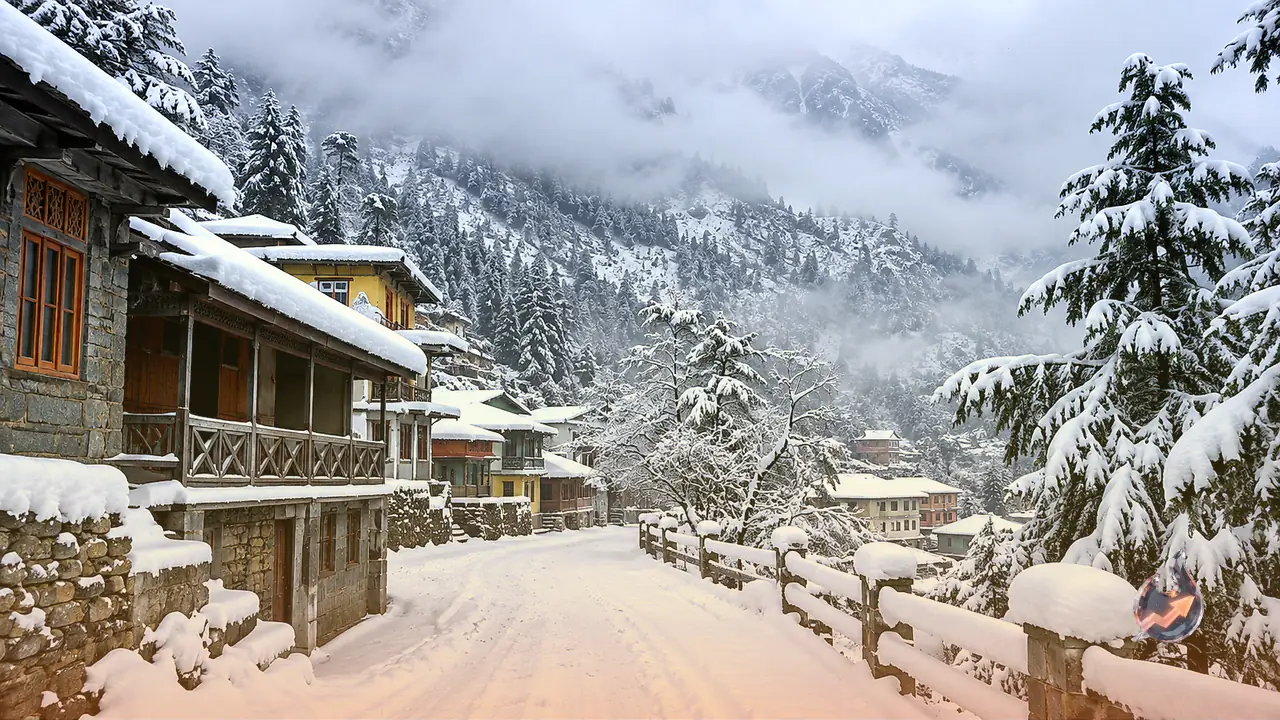


















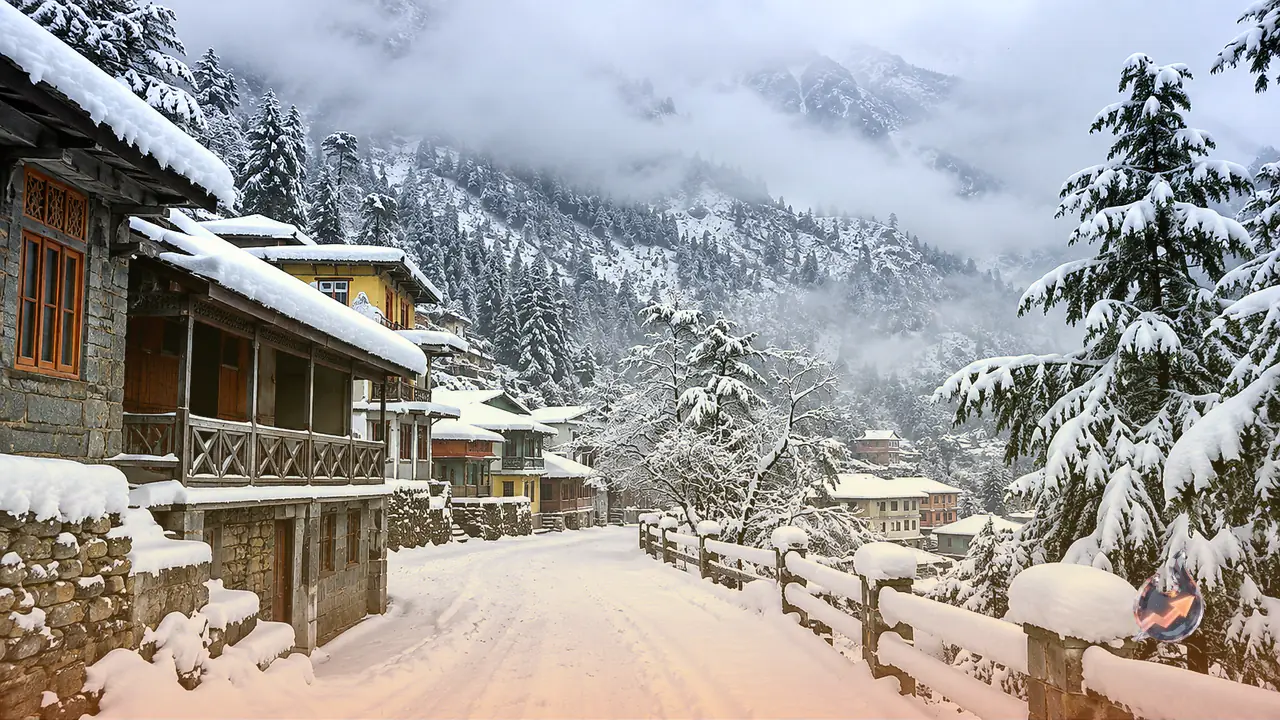

Residents across North India must brace themselves as extreme winter conditions are fast approaching. The India Meteorological Department or IMD has issued a major warning stating that severe cold sweeping in from the western region is fully prepared to grip the entire northern belt. A fresh and highly active western disturbance is set to hit the Himalayan terrain starting the night of 10 November, bringing a dramatic and severe shift in weather patterns. Heavy snowfall is predicted across Jammu and Kashmir, Himachal Pradesh, and Uttarakhand. Following this intense snowfall in the mountains, a fresh spell of heavy rainfall and dense fog is expected to wreak havoc across the plains including Punjab, Haryana, and Delhi between 12 and 15 November. Accompanied by stormy winds reaching 60 kilometers per hour, lightning, and thunderstorms, this weather disturbance will cause temperatures to plummet drastically.
Rainfall and Fog Disruptions Across the Plains
According to meteorologists, the direct impact of this western disturbance will be prominently visible across Punjab, Haryana, Delhi, and Rajasthan. Punjab is expected to witness a four-day continuous spell of rain spanning from 12 to 15 November. In addition to this, thick layers of fog and haze will blanket the mornings and nights for the next several days. The weather conditions are likely to deteriorate further due to a cyclonic circulation hovering at an altitude of 3,100 meters over Haryana and 900 meters over Rajasthan, which will intensify the overall chill.
Heavy Snowfall and Storm Warnings for Mountainous Regions
The weather department has issued strict advisories specifically for Jammu and Kashmir, Ladakh, Himachal Pradesh, and Uttarakhand. On 12 and 13 November, several areas across these mountainous states are highly likely to experience heavy rainfall and continuous snowfall. Furthermore, until 15 November, the higher altitudes face strong threats of stormy winds blowing at speeds up to 60 kilometers per hour, lightning strikes, and hailstorms. The freezing winds generated by this mountain snow will blow directly into the plains, sharply dragging down temperatures across neighboring states.
Sudden Temperature Drop and Shivering Cold
Following record-breaking rainfall during October, the weather had remained largely dry through the early days of November. However, during the past 24 hours, nighttime temperatures were recorded above normal levels. For instance, Bathinda in Punjab registered a maximum temperature of 33.2 degrees, while Adampur recorded a minimum of 11.8 degrees Celsius. Nevertheless, once the combined spell of rain and snow commences from 12 November onwards, temperatures across North India will experience a steep fall, ushering in a fierce shivering cold across the plains.