





















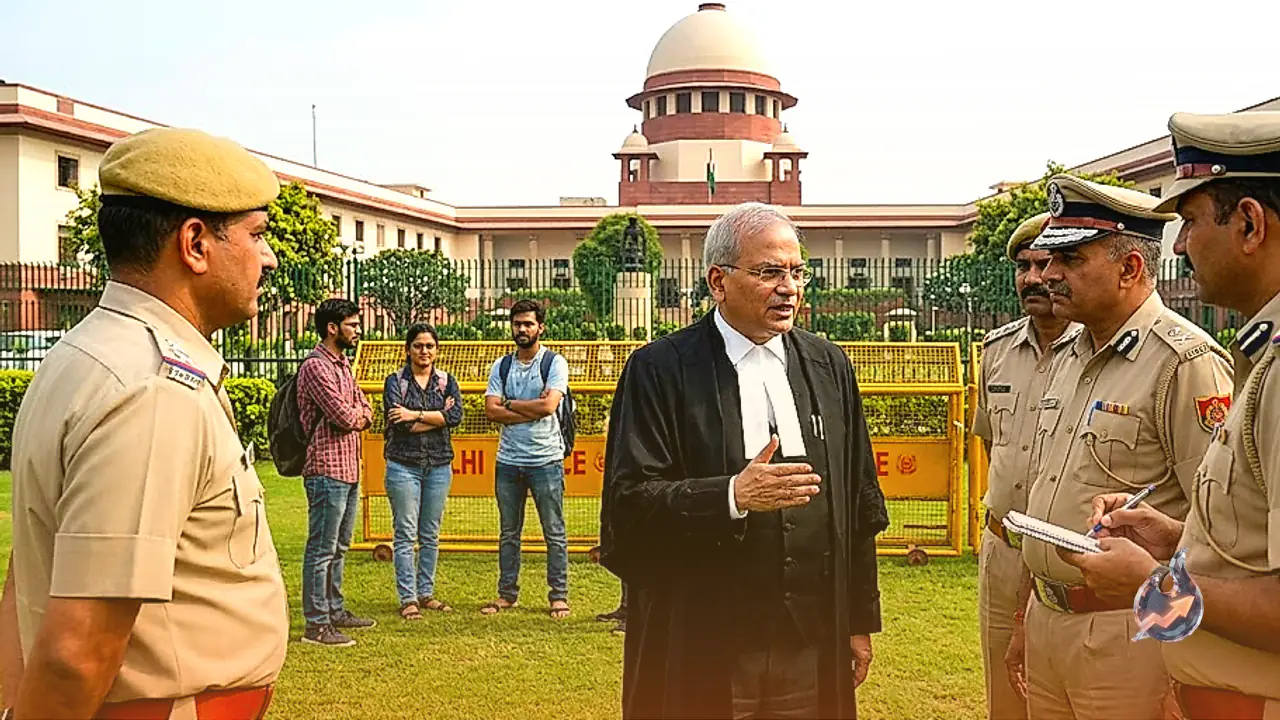

The Supreme Court of India has emphasized the need for a compassionate and dialogue oriented approach toward young protesters rather than relying solely on punitive measures. During a hearing on a petition seeking mandatory seven day community service for youth engaging in abusive behavior during student demonstrations, the top court highlighted that counseling and understanding are essential to addressing youth unrest. The bench led by Chief Justice Surya Kant noted that even if certain misguided individuals engage in acts such as stone pelting, state authorities must prioritize engagement and guidance over aggressive crackdowns.
Law Enforcement Agencies Urged to Exercise Self Restraint
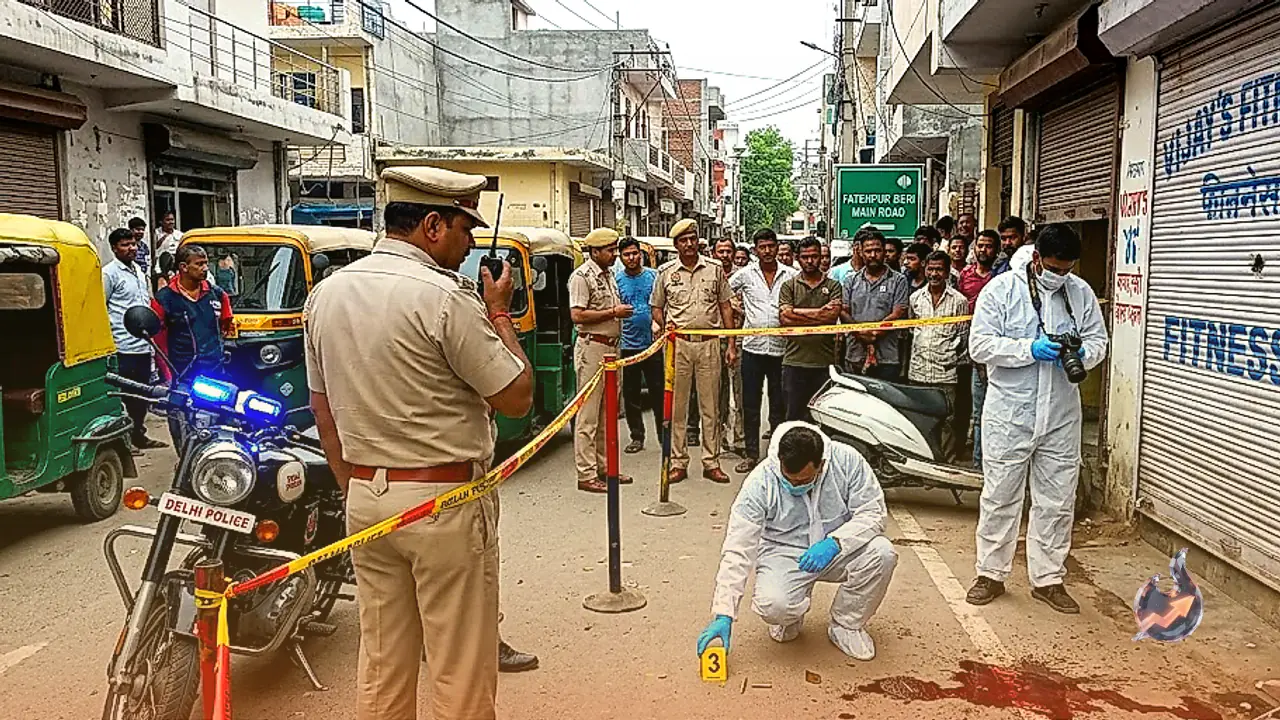
Addressing the conduct of law enforcement authorities during public demonstrations, Chief Justice Surya Kant observed that adopting an excessively harsh or aggressive stance could worsen societal tensions. The Supreme Court underlined that the primary focus of administration should be ensuring that protests remain peaceful. In instances where isolated acts of violence or stone throwing occur, police forces must display high patience and restraint to prevent the overall situation from deteriorating further out of control.
While acknowledging the expertise of law enforcement agencies in managing public order, Chief Justice Surya Kant remarked that officials on the ground possess practical experience superior to the courts in handling tense crowd situations. However, he stressed that the administrative response must remain balanced. The judiciary highlighted the importance of listening to aggrieved youths to comprehend the root causes of their frustration and the reasons driving them to take to the streets and shout slogans.
Petitioner Questions Organizer Accountability and Government Stance
Appearing for petitioner Manish Kumar Solanki, advocate Rizwan Ahmad presented strong arguments regarding the lack of action against those managing the demonstrations. He pointed out that fifteen days had elapsed since the incident, yet the organizers responsible for the protests faced no accountability. The counsel asserted that key organizers continued to appear across various broadcast news channels, delivering provocative statements and actively refusing to de-escalate tensions or calm the public.
Advocate Rizwan Ahmad cautioned against governments bending over backwards to accommodate the demands of agitating crowds. Highlighting the gravity of the ongoing situation, he noted that one young person had already lost their life. He argued that if the administration compromises excessively in matters concerning the national capital, it establishes a troublesome precedent for other regions, such as Rajasthan, where local authorities might feel compelled to yield to aggressive student demands.
Warnings Over Dangerous Precedents and Security Risks
Drawing a comparison with potential unrest in other states, the lawyer questioned whether the Uttar Pradesh government would similarly yield if degree college students in Lucknow began pelting stones at buses over their demands. He argued that individuals involved in stone pelting should not be granted immunity simply because the government found itself in an advantageous or compromised position, as doing so would set a perilous precedent for future law enforcement.
Recalling historical protests, advocate Rizwan Ahmad mentioned that three years ago farmers gathered at the Singhu border, warning that unchecked leniency could encourage future generations, including Generation Alpha, Beta, and Delta, to adopt similar tactics. He raised sharp concerns regarding the security of Parliament, describing it as the temple of democracy. The counsel questioned what might have occurred if five hundred individuals who marched toward the complex possessed country made firearms and opened fire, noting that the march was directed at a vital constitutional institution rather than a national highway or railway line. Concluding the session, Chief Justice Surya Kant reiterated that maintaining peaceful demonstrations remains paramount, and police must exercise utmost caution whenever incidents occur.