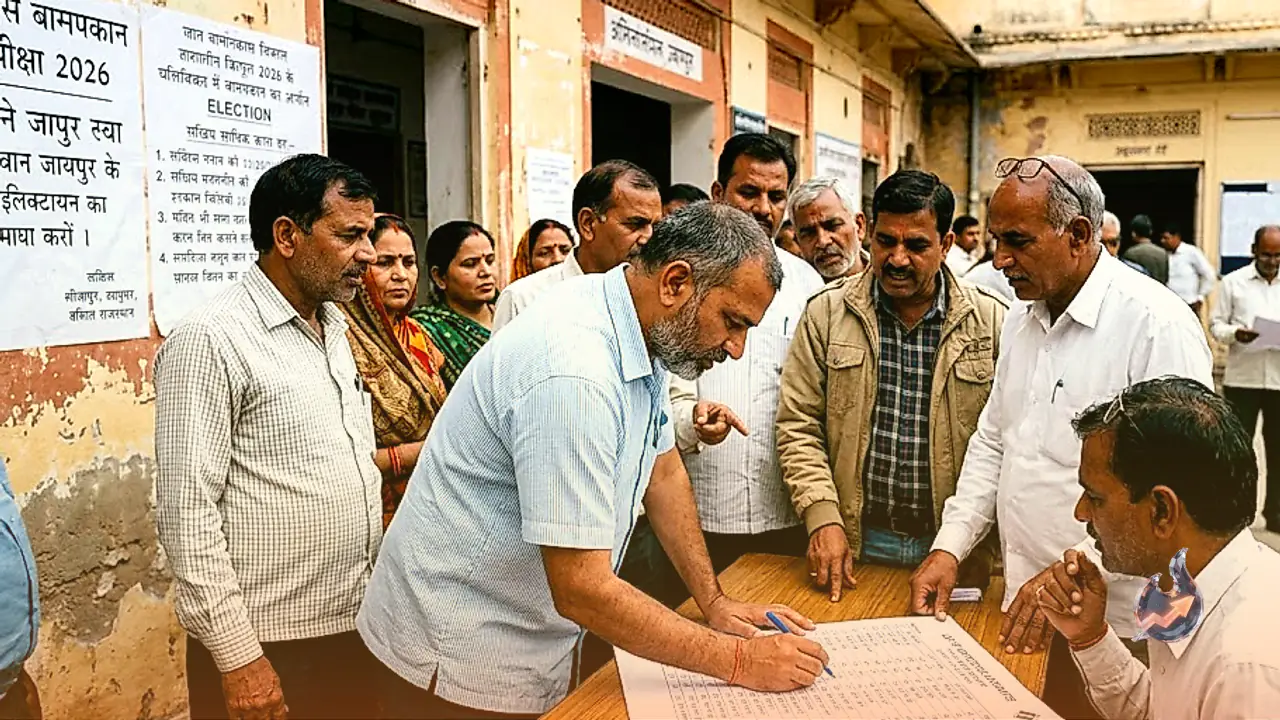



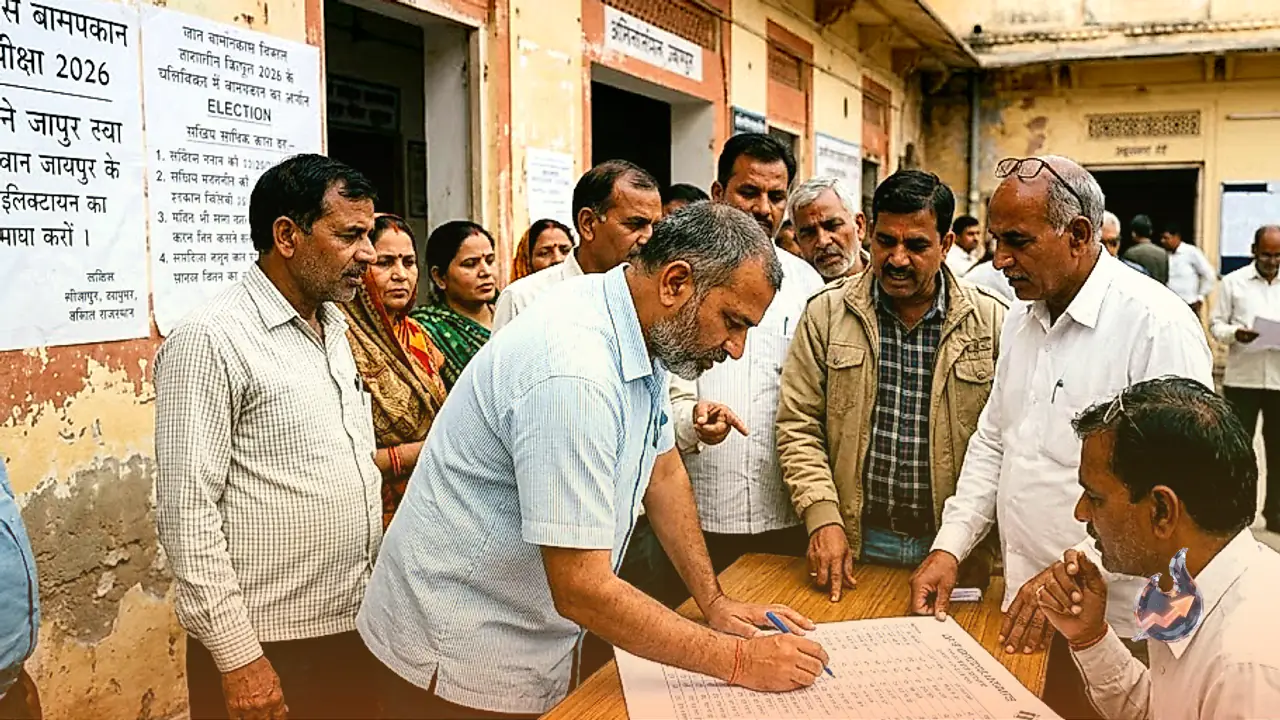
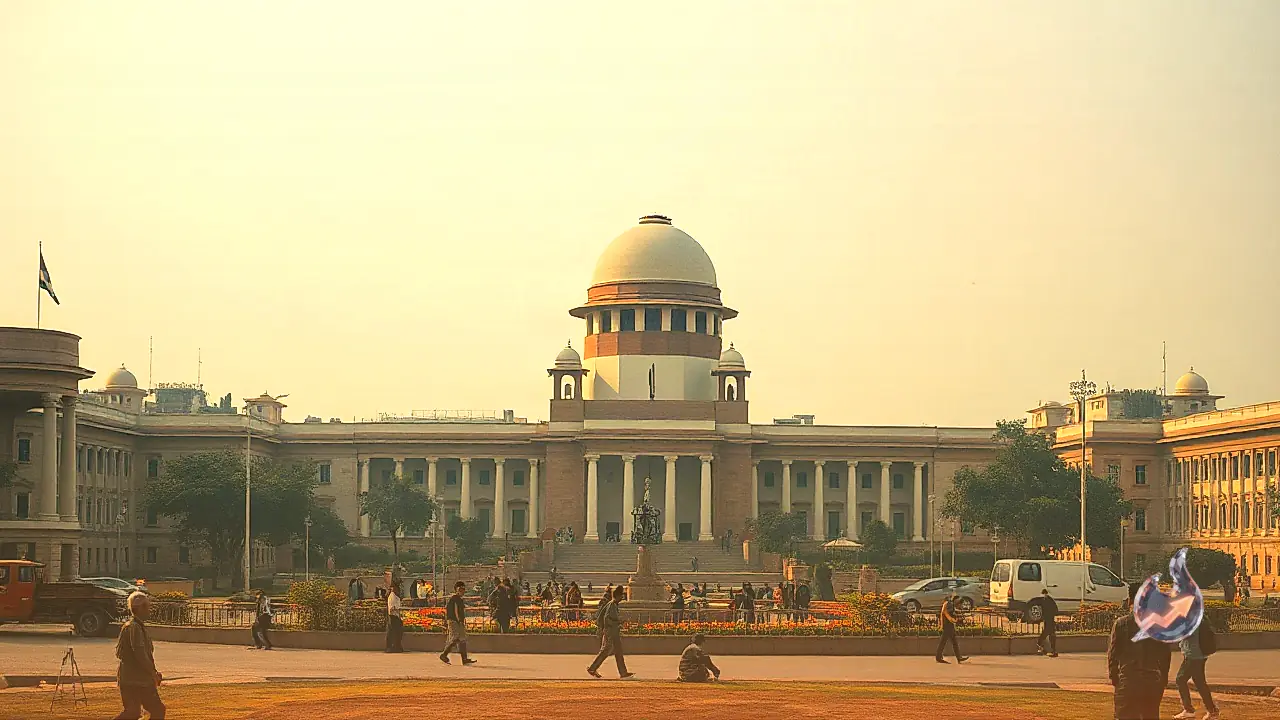















Entry into government educational institutions without prior formal permission has been strictly restricted across multiple regions, impacting not just ordinary visitors but also journalists, digital content creators, YouTubers, and civil society representatives. These administrative restrictions faced a legal challenge at the highest level of the judiciary, but the apex court ultimately declined to intervene in the matter, leaving the local directives in place.
The Challenge Against State Orders
A public interest litigation was brought before the top court to contest the curbs imposed on outsiders entering government schools within the states of Rajasthan and Uttar Pradesh. Filed through petitioner Priya Mishra, the legal challenge specifically sought to invalidate administrative circulars that regulate and restrict the movement of external individuals inside school premises.
Bench Observations and Dismissal
The proceedings were heard by a bench comprising Justice PS Narasimha and Justice Alok Aradhe. During the hearing, the judges made it clear that they were not inclined to entertain the writ petition under Article 32 of the Constitution of India. Consequently, the bench dismissed the plea, meaning the state-level circulars and administrative guidelines continue to stand without immediate judicial interference from the highest court.
Specific Rules Imposed by Circulars
The petition particularly targeted a circular issued by the Director of Secondary Education in Rajasthan on August 16, 2026. According to that directive, any external person stepping onto school grounds must secure prior permission from the school principal. Furthermore, activities such as photography, videography, conducting interviews, recording audio, or running livestreams inside the campus were subjected to the mandatory requirement of obtaining prior written consent.
Directives Across Uttar Pradesh Districts
Highlighting the situation in Uttar Pradesh, the petition pointed to a similar order issued by the District Basic Education Officer of Ayodhya on August 19, 2026. That order barred outsiders, YouTubers, and individuals linked with social media from entering council-run schools or capturing photos and videos without clearance from a competent authority. Court documents noted that analogous instructions had been issued across several other districts in the state, including Azamgarh, Ballia, Basti, Balrampur, Shamli, and Agra.
Campaign Context and Current Legal Stance
This controversy also unfolded against the backdrop of the 'School Thik Karo' campaign led by the Cockroach Janta Party, which aimed to highlight structural deficiencies and infrastructural shortcomings within government-run institutions. Petitioners argued that such restrictive orders create severe obstacles in bringing administrative failures and inadequate facilities to public light. However, without delving into a detailed examination of the validity of these orders, the Supreme Court opted to reject the petition under Article 32, leaving the respective state government directives outside the scope of direct judicial challenge for now.