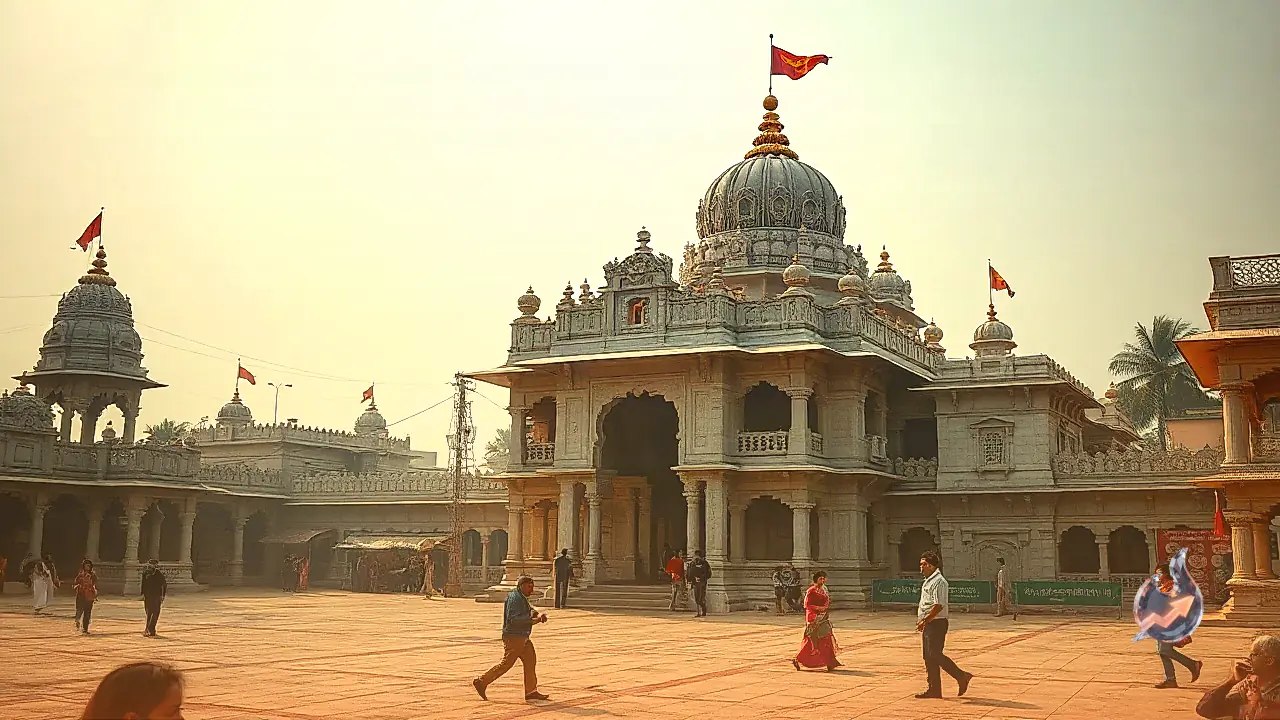




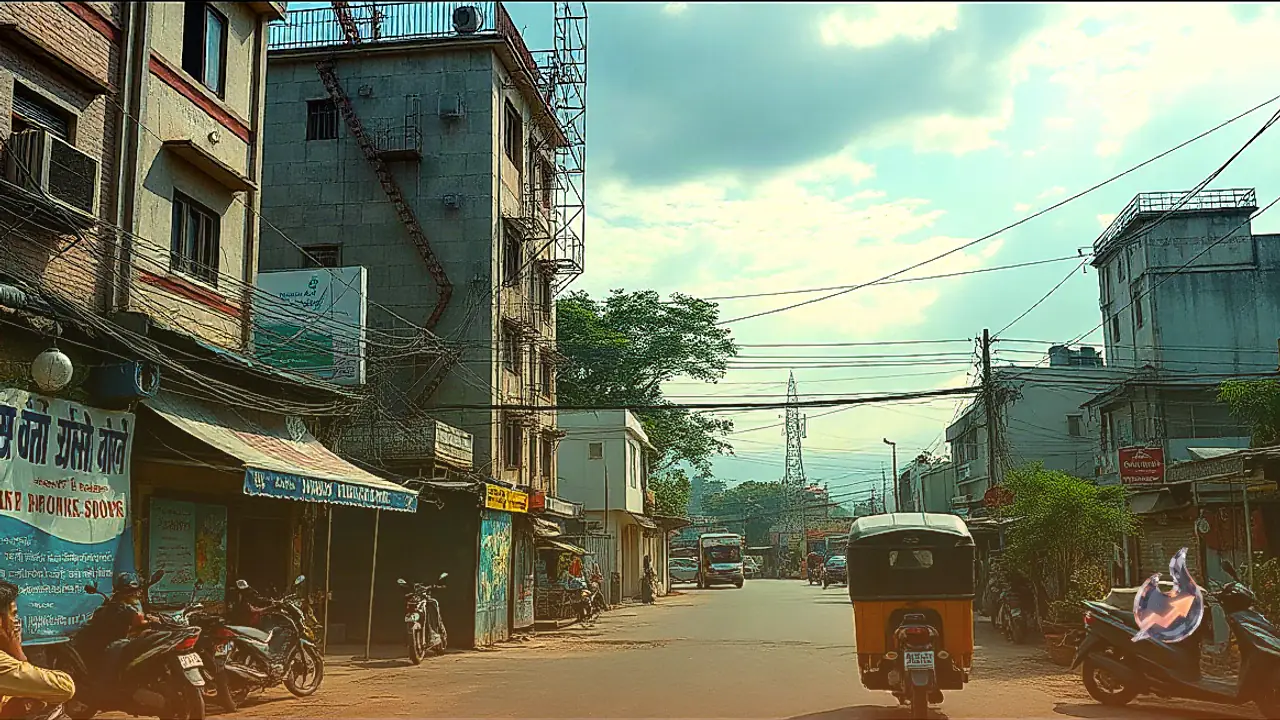
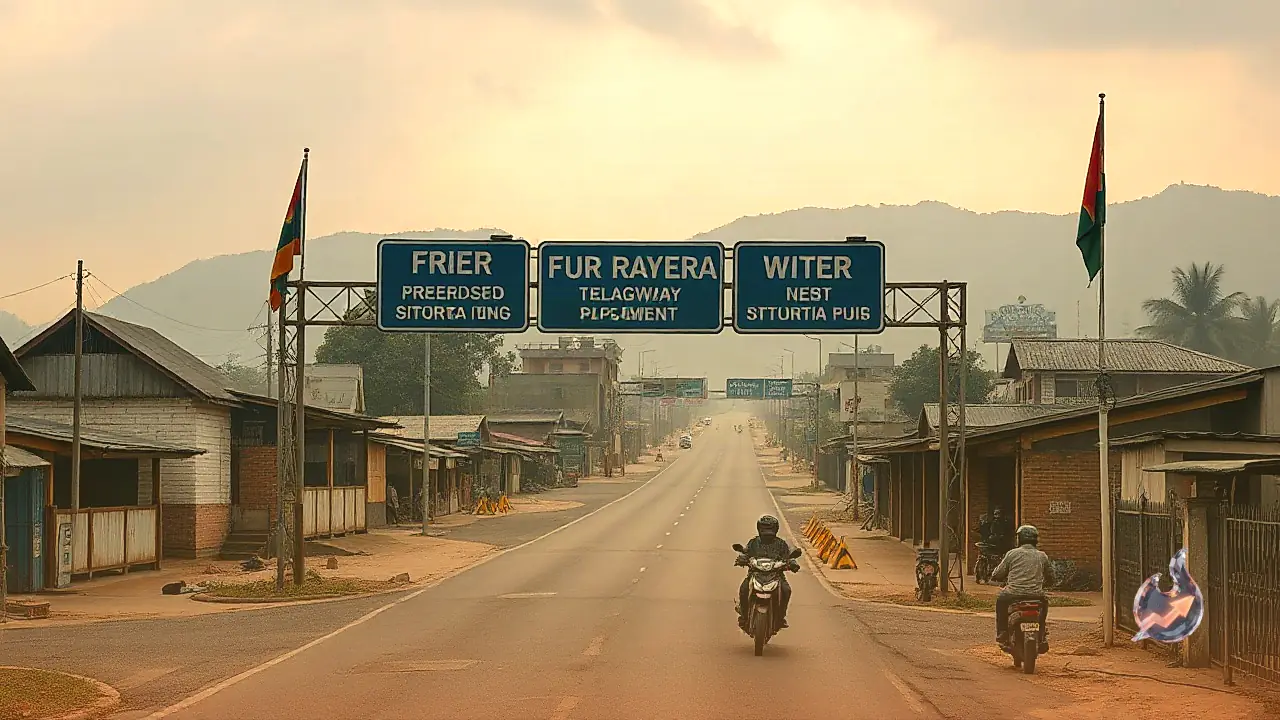















Tension gripped Tripura as seven former militant groups that had previously surrendered and joined the mainstream initiated a massive seventy-two-hour shutdown and blockade along the Assam-Agartala national highway. Starting early Friday morning, members and supporters of these organizations gathered in large numbers in the Baramura area near Chandra Sadhupada. Demonstrators burnt tires right in the middle of the roadway, bringing vehicular movement to a grinding halt and leaving countless travelers stranded as long queues formed across multiple locations.
Organizations Leading the Movement
A total of seven distinct factions have joined forces for this widespread agitation. These include the National Liberation Front of Tripura Original, the NLFT faction led by Parimal Debbarma, the All Tripura Tiger Force, the NLFT faction led by Nayan Bashi, the Joint Action Rehabilitation Committee, the Joint Action Committee, and the older faction of the All Tripura Tiger Force. The collective objective of these groups is to remind the government of promises made during the peace negotiations when these fighters laid down their arms and returned to normal life.
Impact and Traffic Disruptions
Beyond the highway, the repercussions of the shutdown were felt across other transport routes as well. Blockades were reported near Bighudas on the railway tracks and at Khowai Chowmuhani on secondary roadways. The burning of tires severely affected transportation networks and stranded numerous vehicles across various districts. In response to the escalating situation, security has been heavily beefed up in the region. West Tripura District Superintendent of Police Namit Pathak rushed to the spot upon receiving news of the blockade to engage with protesters and restore normalcy to traffic.
Grievances of the Ex-Militants
Representing the protesting factions, leaders pointed out that their cadres spent prolonged periods involved in armed struggle before re-entering society under government pacts. They alleged that despite multiple agreements signed with the administration, critical promises remain unfulfilled on the ground. Thomas Tripura, an NLFT leader, stated that his organization has endured nearly thirty-five years of conflict and noted that roughly seven to eight organizations have been tied into this broader peace process over time.
Timeline and Agreement Terms
Thomas Tripura emphasized that the tripartite agreement clearly stipulated a timeframe of up to the year 2028, meaning within a span of four years, all provisions of the pact were supposed to be fully realized. However, he argued that concrete steps toward implementation have been conspicuously absent thus far. He asserted that the current protest was born out of the necessity to compel both central and state authorities to honor their previously agreed-upon commitments. He maintained that the seventy-two-hour strike has the backing not just of the militant groups, but of tripartite stakeholders, civil society, and the general populace of Tripura.
The September 2024 Peace Accord
At the very core of the demands is the immediate implementation of the tripartite peace agreement signed on September 4, 2024. This pact was widely hailed as a vital component of the ongoing peace process involving the central government, the Tripura administration, and the respective groups. Returned cadres argue that while numerous issues found consensus during the talks, ground-level execution has lagged significantly, prompting them to demand strict adherence to the agreed timelines.
The Eleven Core Demands
The coalition has placed an eleven-point memorandum before the government, touching upon ex-cadre welfare as well as broader tribal and indigenous issues. Chief among them is the immediate provision of robust security for all leaders and former cadres. Another primary demand involves the official recognition and formal acceptance of the roster of returned cadres who reintegrated into society.
The memorandum insists on the swift fulfillment of pending Scheduled Tribe backlog vacancies. Furthermore, the groups are demanding the unconditional withdrawal of all police cases registered against those who surrendered and joined the mainstream. Implementation of development projects under the Socio-Economic Development Package, encompassing private land initiatives and individual components, also features prominently.
Autonomy and Language Rights
The memorandum calls for special arrangements to protect the land and ownership rights of the Tiprasa community. To safeguard indigenous interests, the creation of a separate administrative arrangement has also been proposed. Additionally, the groups are urging the official adoption and implementation of the Roman script for the Kokborok language, alongside the establishment of a uniform customary law for all Tiprasa communities.
Another crucial demand pertains to restoring ancient village names and transferring crucial land acquisition and allotment powers directly to the Tripura Tribal Areas Autonomous District Council. Protesters believe that empowering this council will offer stronger legal safeguards for indigenous land rights against unauthorized transfers.
A Democratic Protest and Administrative Challenges
Prior to the highway blockade, the returning groups allied under the NLFT and ATTF had already announced a statewide seventy-2-hour shutdown starting at 6 am. They have repeatedly characterized their agitation as a peaceful and democratic movement aimed at securing justice, dignity, and a secure future for the Tiprasa community.
Presently, the administration's foremost challenge lies in clearing traffic snarls and maintaining public order. Police officials continue dialogue sessions with the demonstrators, while the seven organizations remain firm that their agitation will continue until tangible steps are taken to fulfill their long-standing agreements.