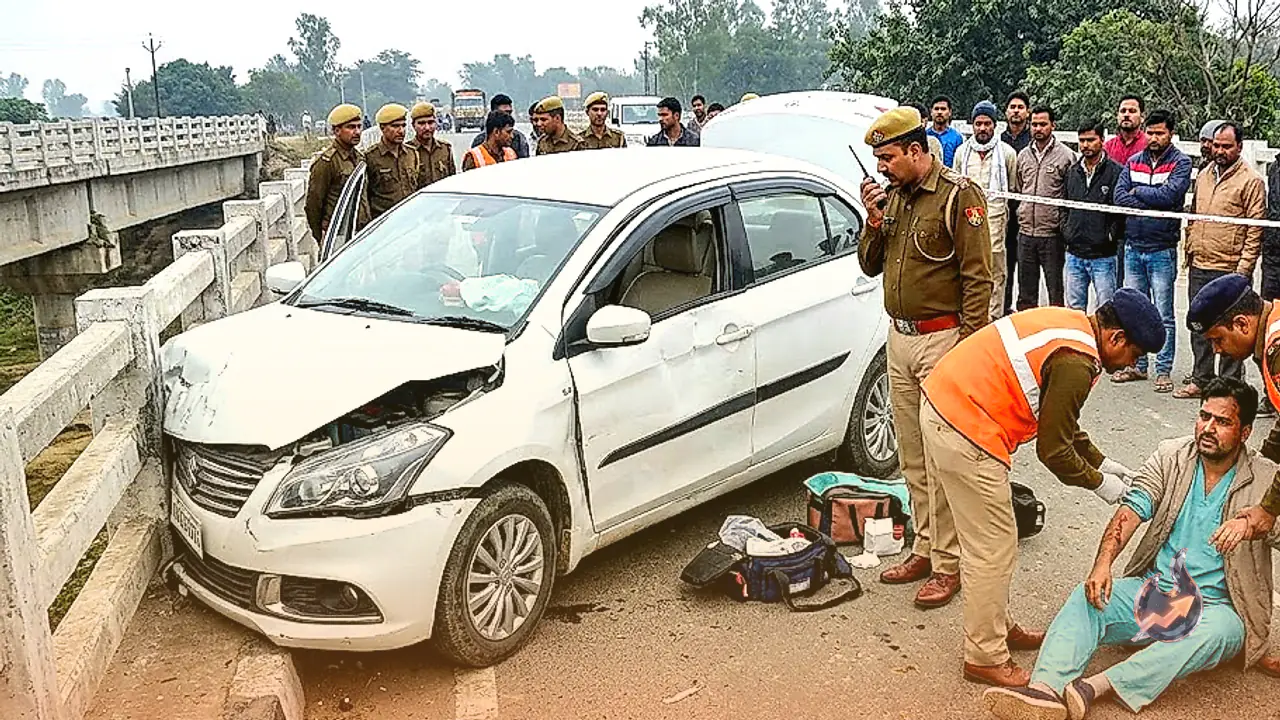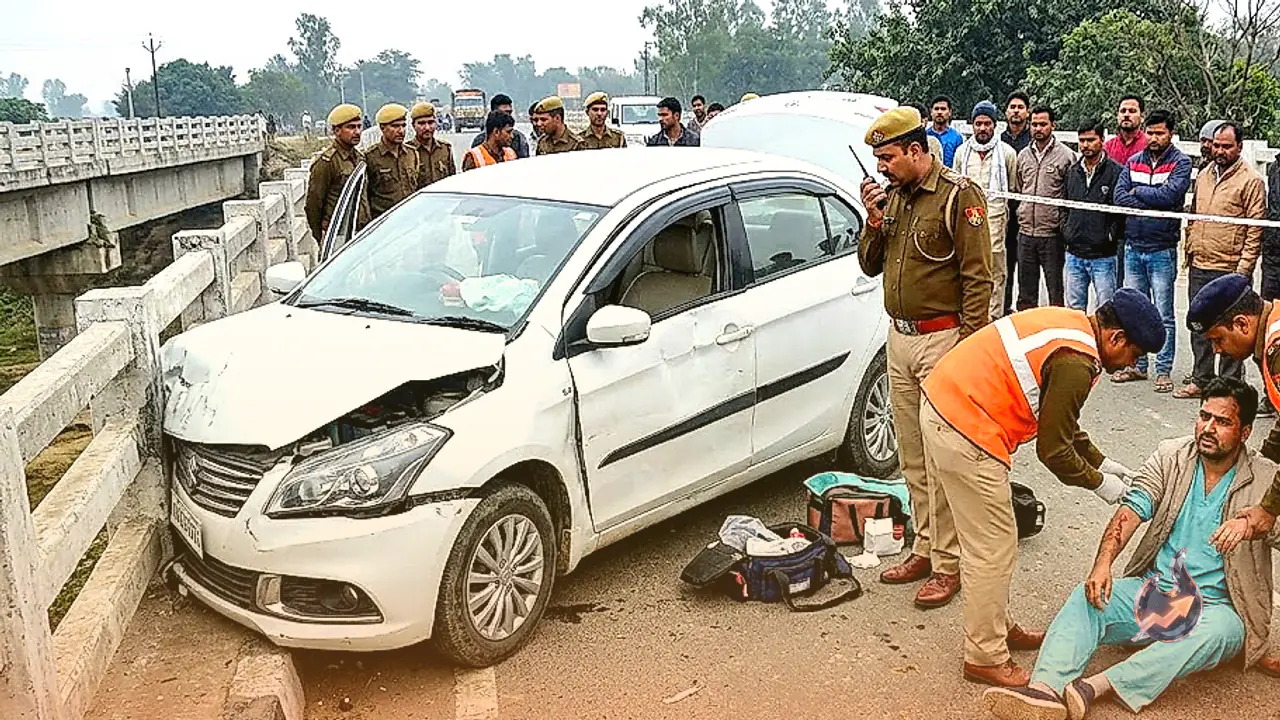

























A deeply tragic and shocking incident has occurred at the prestigious National Defence Academy (NDA) in Khadakwasla, near Pune. Abhinav Bajpai, a 17 year old first term cadet hailing from Kanpur, Uttar Pradesh, passed away on Friday morning after his health suddenly deteriorated during a routine physical training (PT) session. According to official information released by the Ministry of Defence, the unfortunate event took place during the very first official physical training parade of the newly joined batch. During the exercise session, Abhinav suddenly complained of severe discomfort and uneasiness, losing consciousness shortly after.
The military officers and medical staff present on the spot acted immediately, rushing the unconscious young cadet to the Military Hospital in Khadakwasla. A specialized team of military doctors made every possible emergency medical effort to resuscitate him, but despite their best attempts, Abhinav could not be saved. In order to investigate the exact circumstances and clinical reasons behind this sudden demise, military authorities have ordered a formal Court of Inquiry (COI). The family of the deceased cadet and the local police have also been formally notified about the tragic loss.
A Worrisome Pattern of Incidents at the National Defence Academy
This latest tragedy has once again brought the issues of training safety and cadet health monitoring under intense scrutiny. This incident marks the third death of a first term cadet at the National Defence Academy (NDA) since October of last year. Prior to this, two other young training cadets lost their lives within the academy premises under different circumstances. One of the cadets tragically drowned during a swimming practice session, while the other death was linked to an alleged case of suicide. Such a sequence of three young lives lost during the introductory phases of rigorous military training in a short span has raised significant concerns.
Prominent Cardiac Surgeon Dr. Devi Prasad Shetty Shares Crucial Health Advice
Following the untimely death of cadet Abhinav Bajpai, a critical piece of medical guidance previously shared by the renowned cardiac surgeon Dr. Devi Prasad Shetty, who is the Founder and Chairman of Narayana Health, has gained widespread public attention. Addressing the growing concerns over cardiovascular health among young Indians, Dr. Devi Prasad Shetty emphasized a crucial preventive measure. He strongly advised that every single individual in India must undergo a basic blood cholesterol test at least once upon reaching the age of 17.
The eminent heart specialist explained that this recommendation is no longer just a personal medical opinion, but has now been officially incorporated into the clinical guidelines issued by the Cardiology Society of India. According to Dr. Shetty, elevated cholesterol levels represent the single biggest trigger for heart attacks in modern times. If this underlying risk factor is identified at an early stage, particularly at the onset of young adulthood, individuals can make targeted modifications to their dietary habits, integrate regular physical exercises into their routine, and adopt healthy lifestyle practices. These timely steps can dramatically lower the long term risk of suffering from debilitating heart attacks and strokes in the future.
The Silent Threat of High Cholesterol and Hidden Arterial Plaque
Explaining the pathology further, Dr. Devi Prasad Shetty warned that high cholesterol is exceptionally dangerous because it typically accumulates within the body without presenting any visible outward symptoms. It is often described as a silent threat because an individual might look perfectly healthy and active on the outside while their internal cardiovascular system is compromised. When left undetected over prolonged periods, excess cholesterol leads to the gradual deposition of fat and plaque inside the arteries. Over time, this plaque accumulation narrows the arterial pathways, restricting smooth blood flow. This blockage eventually culminates in severe medical emergencies like heart attacks or strokes. Therefore, merely appearing physically fit or being capable of undergoing strenuous physical activities is not a foolproof indicator of cardiac health; regular, proactive blood screenings are absolutely vital.
Recommended Heart Screening Protocol by Age and Risk Category
To help individuals manage their cardiovascular health effectively, Dr. Devi Shetty has outlined a structured heart screening protocol based on age brackets and specific risk factors
- At 17 Years of Age: Every individual should undergo a baseline cholesterol blood test at least once to establish their cardiovascular profile at the start of adulthood.
- Men Aged 35 to 40 Years: Men in this age group should undergo regular cardiovascular checkups. Based on clinical advice and individual risk profiles, doctors may also recommend advanced diagnostic tests, such as a coronary CT scan.
- Family History of Heart Disease: Individuals who have a documented history of cardiovascular issues, premature heart attacks, or hypertension in their immediate family must be exceptionally vigilant. They should initiate routine heart checkups much earlier, starting from the age of 30.
- Diabetic Patients: People suffering from long term diabetes require continuous and stringent monitoring of their heart health, as prolonged high blood sugar levels significantly accelerate damage to blood vessels and coronary arteries.
Awaiting the Official Court of Inquiry Findings
While these medical guidelines are highly relevant to youth health, it is extremely important to note that the actual, precise cause of cadet Abhinav Bajpai's death remains unconfirmed at this moment. The incident is currently under active investigation, and the true medical cause will only become clear once the official report of the Court of Inquiry is finalized. Consequently, it would be highly inappropriate and premature to directly attribute his sudden demise to high cholesterol or any specific pre-existing heart condition. Nonetheless, this heartbreaking loss serves as a stark reminder that regular health screenings and early assessment of cardiovascular risk factors play an indispensable role in preventing sudden medical crises, even among the young and seemingly active population.