























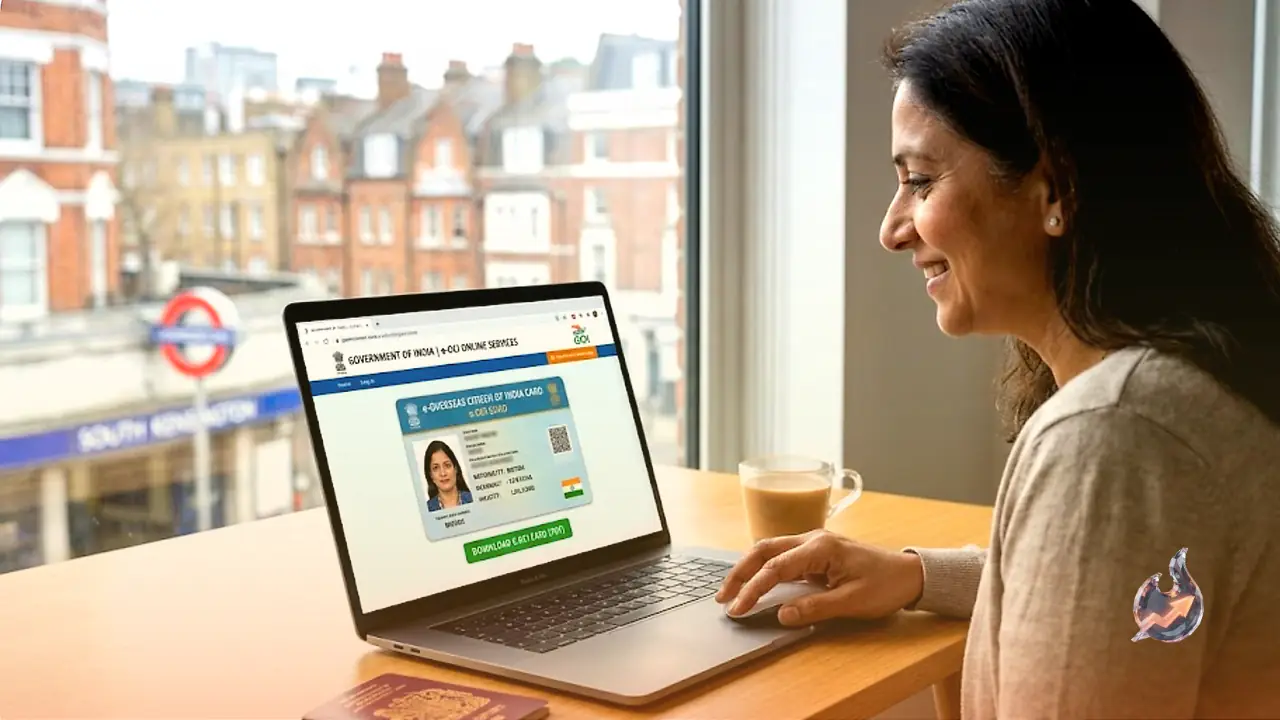

In an increasingly digital world, the electronic Overseas Citizenship of India, or e-OCI card, has become a major convenience for foreign citizens of Indian origin. Anyone holding it can travel to India without restrictions and gains the right to live, work and study in the country indefinitely, all without needing a visa. The biggest benefit is that holders no longer have to apply for a fresh visa every single time they visit India.
The e-OCI platform lets an applicant handle the whole journey online. From filling out the application and uploading documents to downloading the finished card once it is approved, every step happens on the internet.
The card was introduced in August 2025 for foreign citizens of Indian origin. It is worth being clear that this is not Indian citizenship, but it does give eligible foreign nationals of Indian origin a range of travel and residency conveniences. The online platform also cuts down heavily on paperwork, letting applicants submit documents and upload identity proof themselves.
Who Can Apply for an e-OCI Card
The eligibility rules rest on the existing OCI framework. People who were once Indian citizens may qualify, subject to certain conditions. The children, grandchildren and great-grandchildren of Indian citizens can also be eligible, provided they can establish the required lineage through acceptable documents.
Spouses of Indian citizens or OCI cardholders may apply under the specific conditions set out in the rules. Such applications usually call for proof of a registered marriage along with supporting documents relating to the Indian citizen or OCI cardholder spouse. Before applying, check the latest official guidelines, since eligibility rules and exclusions can change over time.
Documents You Will Need
Every applicant has to present a valid passport that reflects their current citizenship status, and that passport must be active at the time of application. Those applying from within India may additionally need a valid visa or residential permit, depending on their status and the rules that apply to them.
Proof of Indian origin sits at the heart of most OCI applications. This could be an earlier Indian passport, a domicile certificate, a nativity certificate, the OCI or PIO card of a parent or spouse, or any other acceptable document that establishes Indian origin. In some cases, documents issued by competent authorities such as a magistrate may also be accepted.
Anyone claiming eligibility through parents, grandparents or great-grandparents generally has to provide proof of that relationship. A birth certificate showing the names of both parents is commonly required. If the birth certificate was issued outside India, it may need to be apostilled or certified by the relevant Indian mission.
Extra Papers for Minor Applicants
Minor applicants have to submit some additional documents. These can include the child's birth certificate, proof of Indian citizenship or Indian origin of one or both parents, and a parental authorisation form. If the parents are divorced, a court order confirming legal custody may also be needed.
How to Apply, Step by Step
- Apply through the official OCI services portal.
- Fill in the required online form, currently referred to as Form XXVIII in the guidelines, and enter your personal details with care.
- Mistakes in names, dates, passport numbers or parental details can slow down verification.
- Upload a copy of your latest passport along with the supporting documents.
- You also have to upload a biometric photograph that meets the portal's specifications.
- The photo should generally carry a neutral facial expression against a light background. Poor-quality images or mismatched documents can trigger queries or even lead to rejection.
- Once the documents are uploaded, complete the e-signature and then make the payment.
- As soon as the application is submitted, the system issues an acknowledgement number. This number matters a great deal, because it lets the applicant track progress and respond if any further verification is requested.
Downloading the Card After Approval
The approved e-OCI document can be downloaded digitally. This is the single most important practical shift for applicants, as it greatly reduces the reliance on physical paperwork once approval comes through. Even so, applicants should hold on to all the original documents used during the process, since authorities may ask to verify them at any stage.