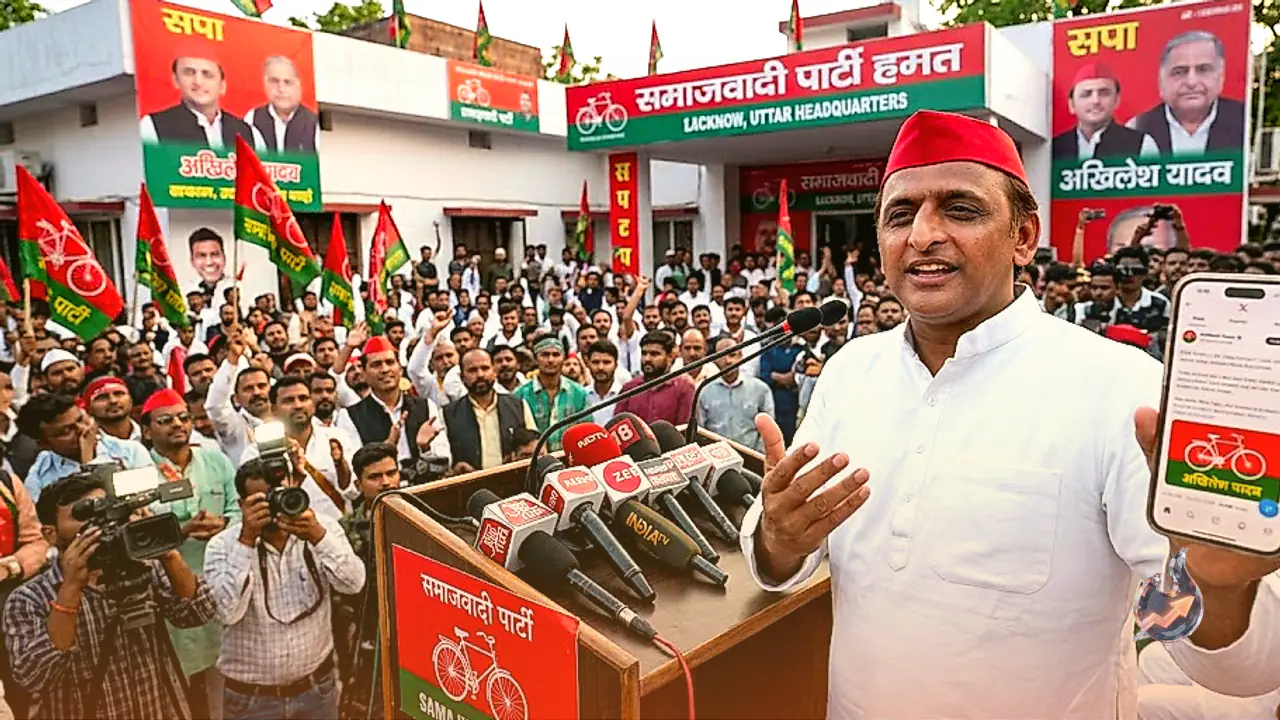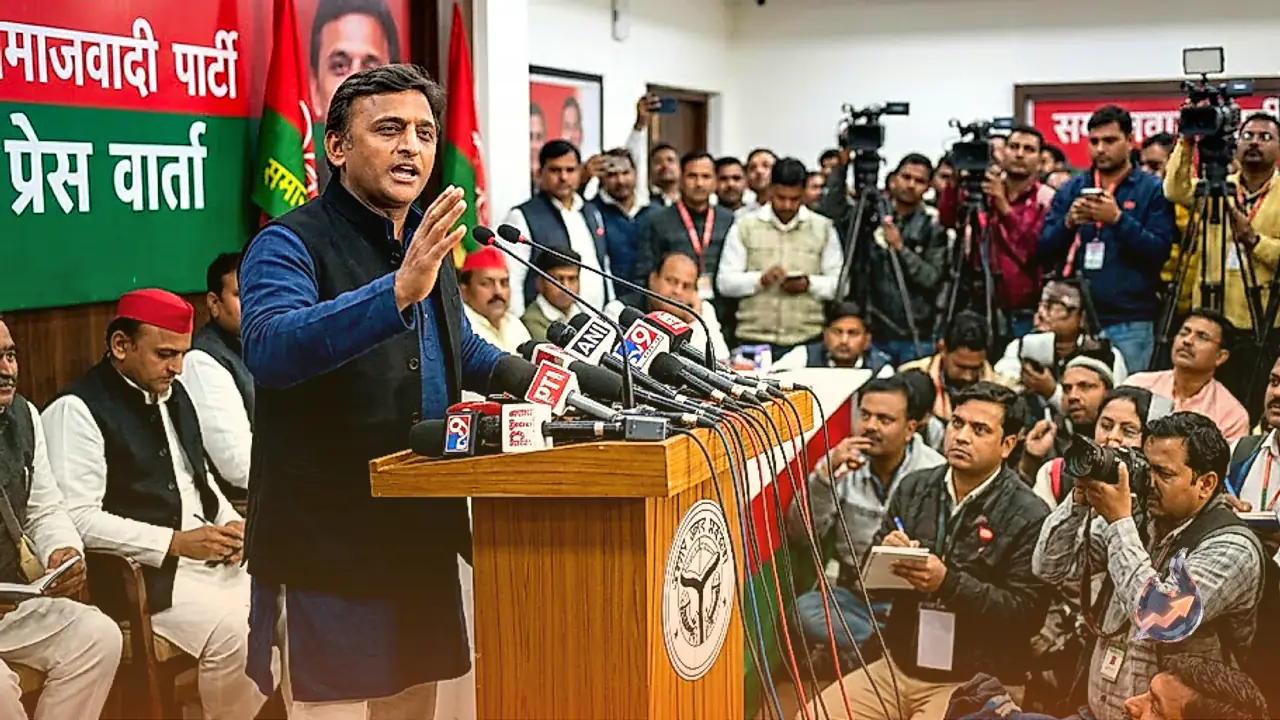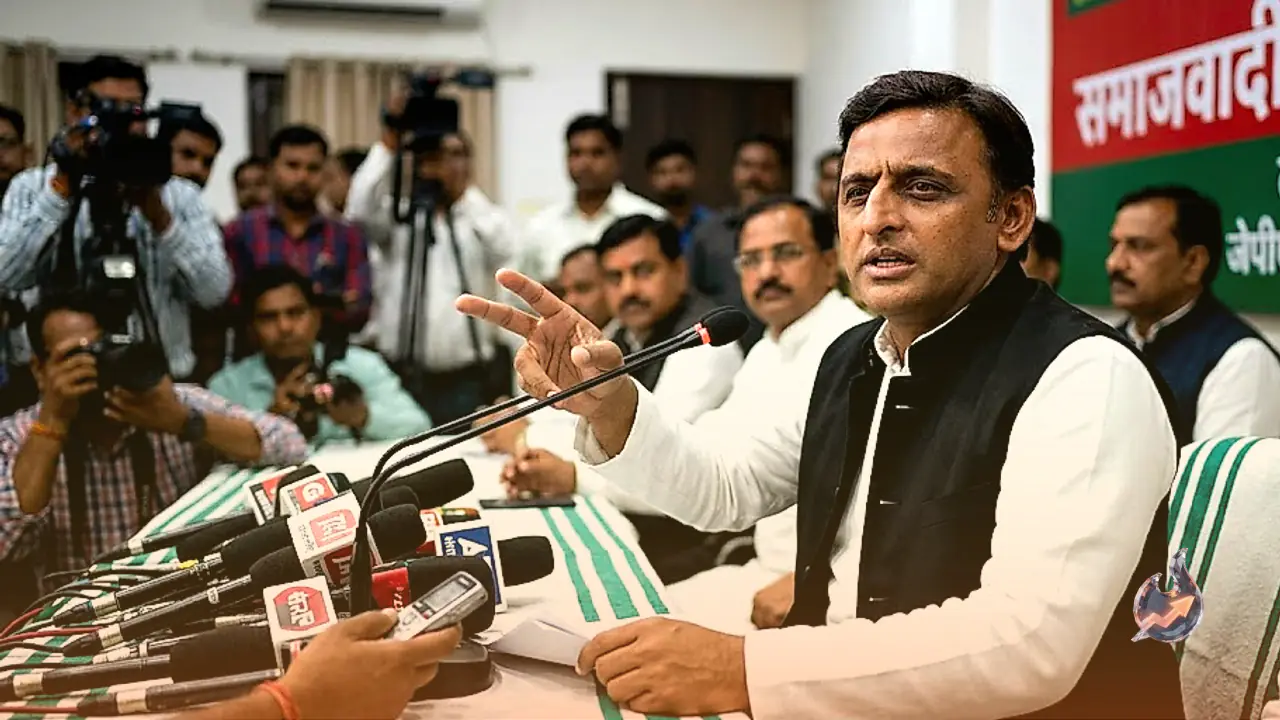




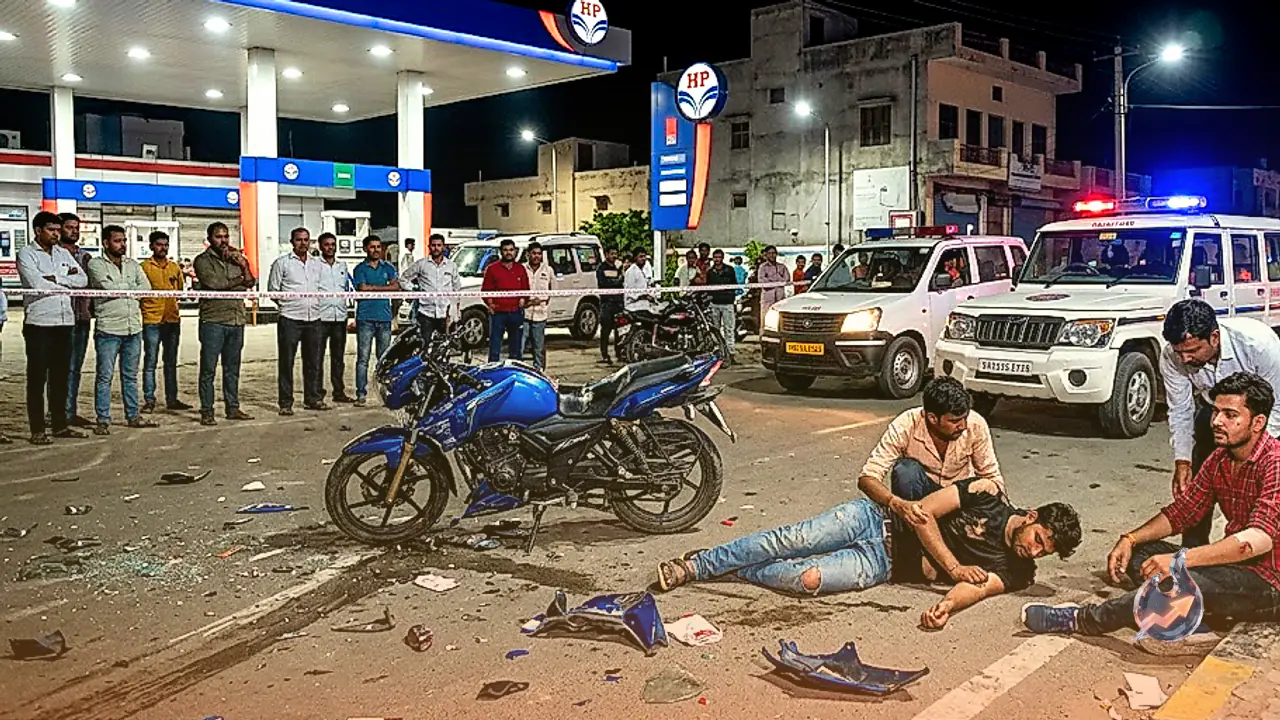















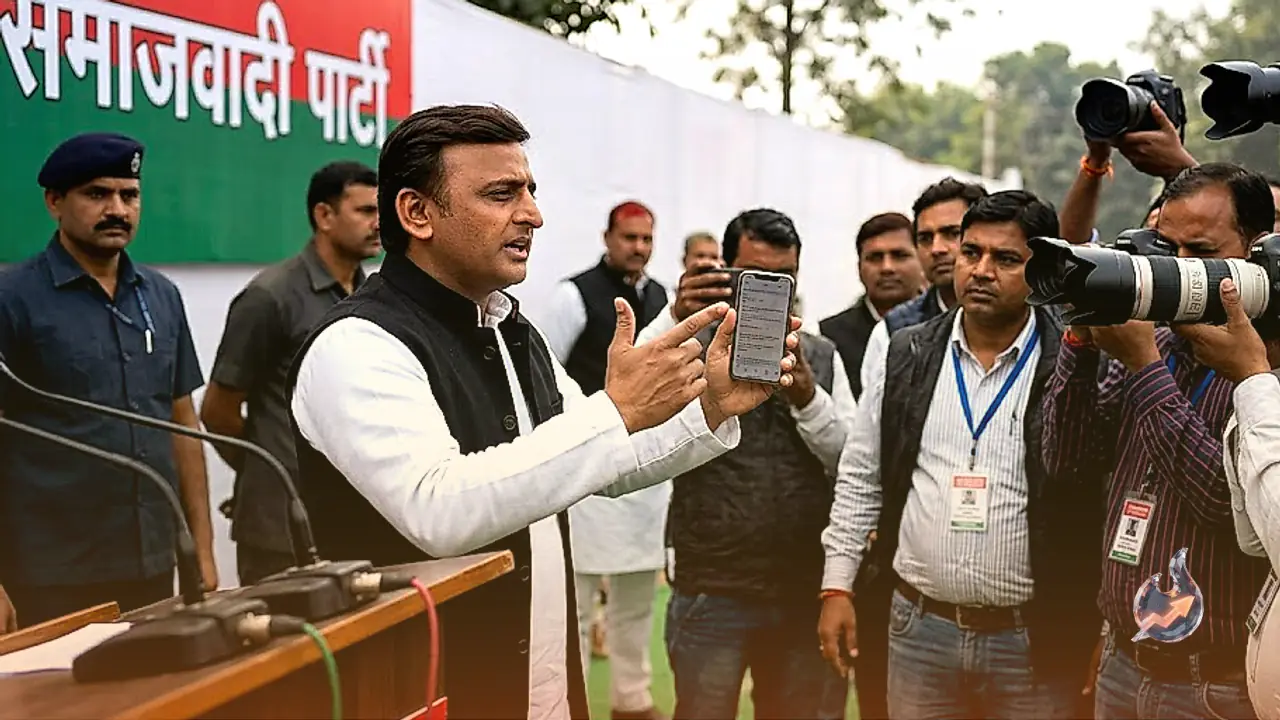

Political debate surrounding public safety and crime control in Uttar Pradesh has intensified following a sharp critique by Akhilesh Yadav on social media. Writing on platform X, the political leader directly questioned official claims regarding the elimination of organized crime within the state. He highlighted a recent incident in which criminals from neighboring states allegedly crossed into Uttar Pradesh, fired dozens of rounds of ammunition, and committed murder, presenting a stark contrast to administrative assertions that mafias had fled the region.
Questions Raised Over Law and Order in Uttar Pradesh
In his social media statement, Akhilesh Yadav directly targeted the claims made by the administration. He pointed out that while the Chief Minister has repeatedly asserted that mafias and bad elements have vacated Uttar Pradesh, the situation on the ground appears to be the exact opposite. According to Yadav, gangs and criminals originating from other states entered Uttar Pradesh, discharged dozens of rounds of gunfire, and carried out a fatal attack.
Furthermore, he made a specific observation regarding the identity of the perpetrators, noting that the name of the out of state gang resembles that of a prominent or well known figure within Uttar Pradesh. Framed as a satirical question about what this relationship signifies, his comments served to highlight concerns regarding border surveillance, police intelligence, and regional security measures.
Interstate Crime and Security Challenges
Managing border security and checking interstate criminal activities remain critical operational responsibilities for law enforcement agencies in Uttar Pradesh. When criminal elements from adjoining states manage to cross provincial boundaries without detection, engage in multi-round shootings, and execute planned violence, it exposes potential vulnerabilities in police monitoring systems.
Political observers note that incidents involving out of state gangs provide significant ammunition for opposition leaders to critique governance performance. Critics argue that public assertions of absolute crime deterrence stand challenged when high profile violent events occur, emphasizing the need for stricter border checkpost inspections, real time intelligence sharing across state lines, and robust local patrolling.
About Gaya
Gaya is a significant city situated in the state of Bihar, serving as a district headquarters and ranking as the second largest urban center in Bihar. Magahi is the dominant regional language spoken among its inhabitants. The city stands as one of India's most prominent international tourist and pilgrimage destinations, attracting hundreds of thousands of domestic and foreign visitors annually.
The historical and cultural significance of Gaya spans Hinduism, Buddhism, and Jainism, with its heritage explicitly documented in ancient epics such as the Ramayana and the Mahabharata. Geographically, Gaya is encompassed on three sides by small, rocky hill formations known as Ramshila, Pretshila, and Brahmajoni, while the Falgu River flows along the city's eastern boundary.
Political Debates and Governance Accountability
The ongoing discourse over crime prevention in Uttar Pradesh highlights the friction between political narratives and administrative realities. While official channels emphasize zero tolerance policies, specialized operations, and reduced crime rates, opposition figures continuously point to specific violent occurrences to challenge those assertions.
The reference to interstate criminal involvement adds another layer to this debate, shifting attention toward how effectively state boundaries are policed and how local law enforcement responds to mobile criminal networks operating across state lines.
Public Reaction
The social media post triggered diverse responses from members of the public across online platforms. While several users expressed concern over citizen safety and demanded stricter policing against violent gangs, others actively debated the comparative governance records of different political administrations.