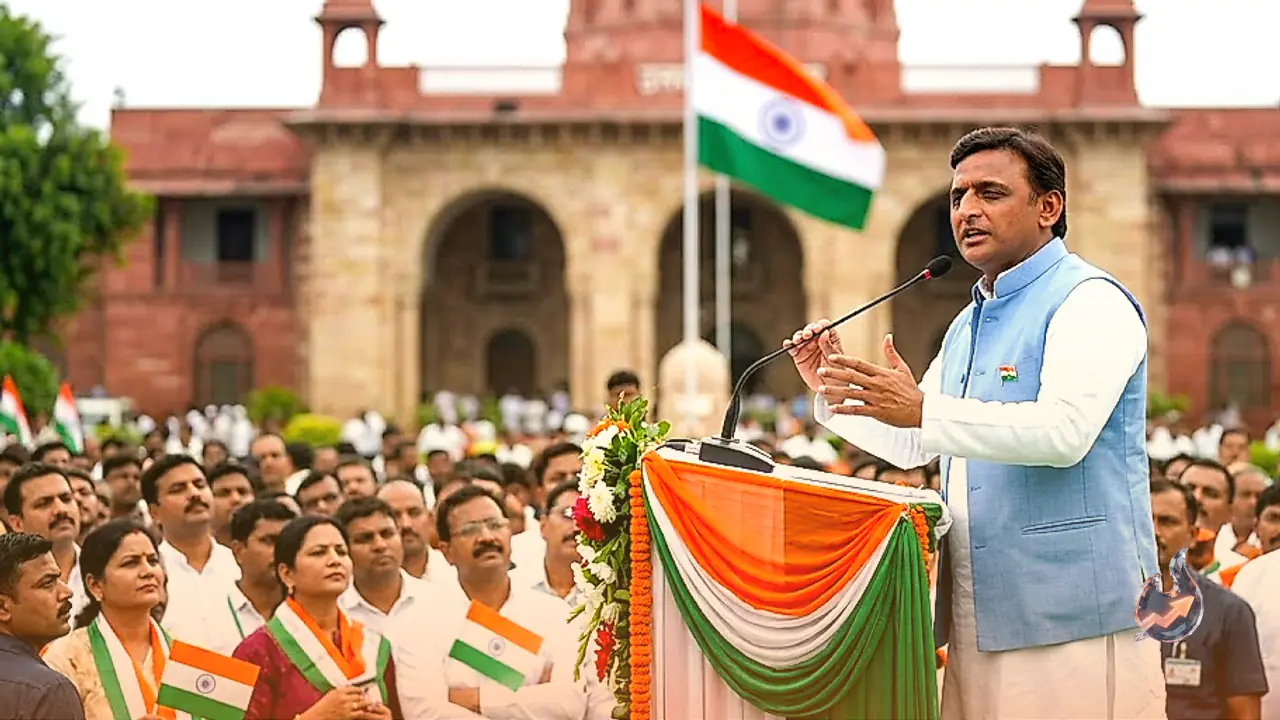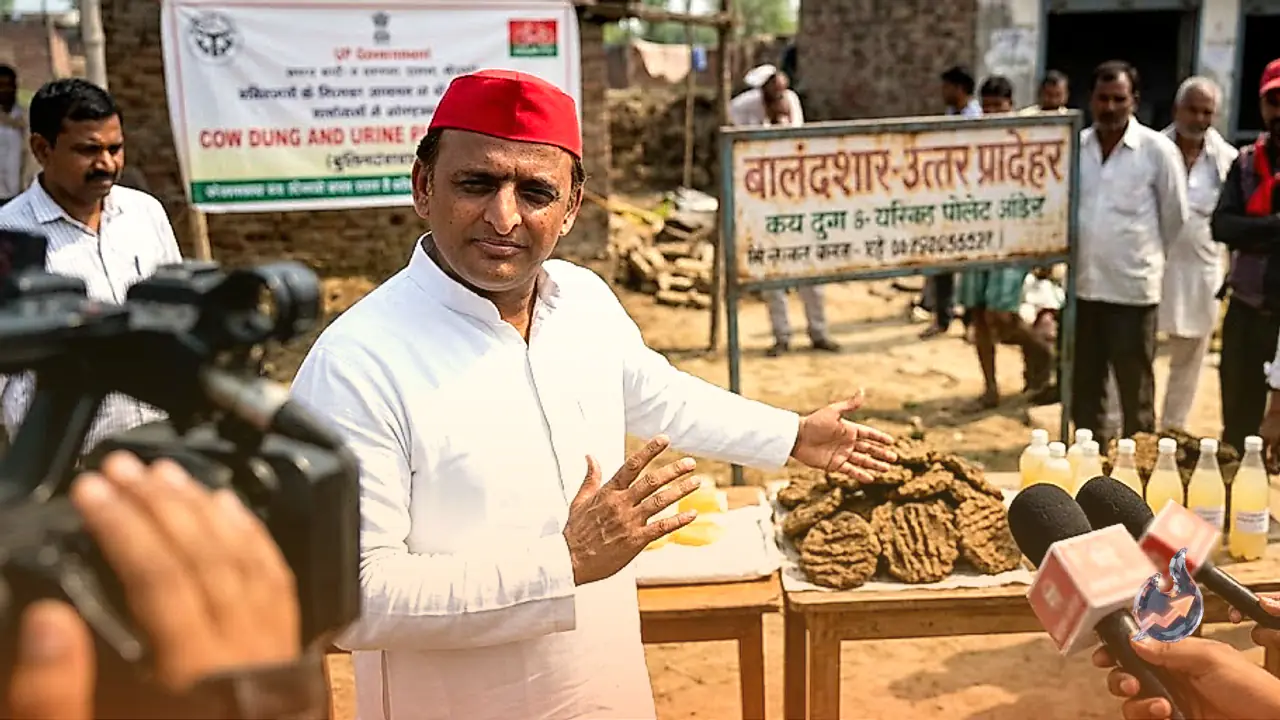
























Samajwadi Party chief Akhilesh Yadav has launched a sharp attack on the state administration through a post on social media platform X, raising serious questions regarding the expenditures made for the Maha Kumbh. He alleged that the one lakh crore rupees spent in the name of the so-called smart development of Prayagraj stands as undeniable and glaring proof of massive corruption. His remarks have sparked a fresh wave of political debate and public discussion.
Financial Scale And Economic Impact Of Maha Kumbh
Discussions surrounding the financial footprint of the Maha Kumbh have involved varied assessments of revenue and expenditure. While earlier reports and official claims highlighted a massive economic boost for Uttar Pradesh, projecting earnings exceeding three lakh crore rupees and substantial revenue generation across multiple sectors, critics continue to scrutinize the transparency and execution of public funds. The event generated significant commercial activity, but questions regarding ground-level infrastructure remain a focal point of political contention.
About Prayagraj
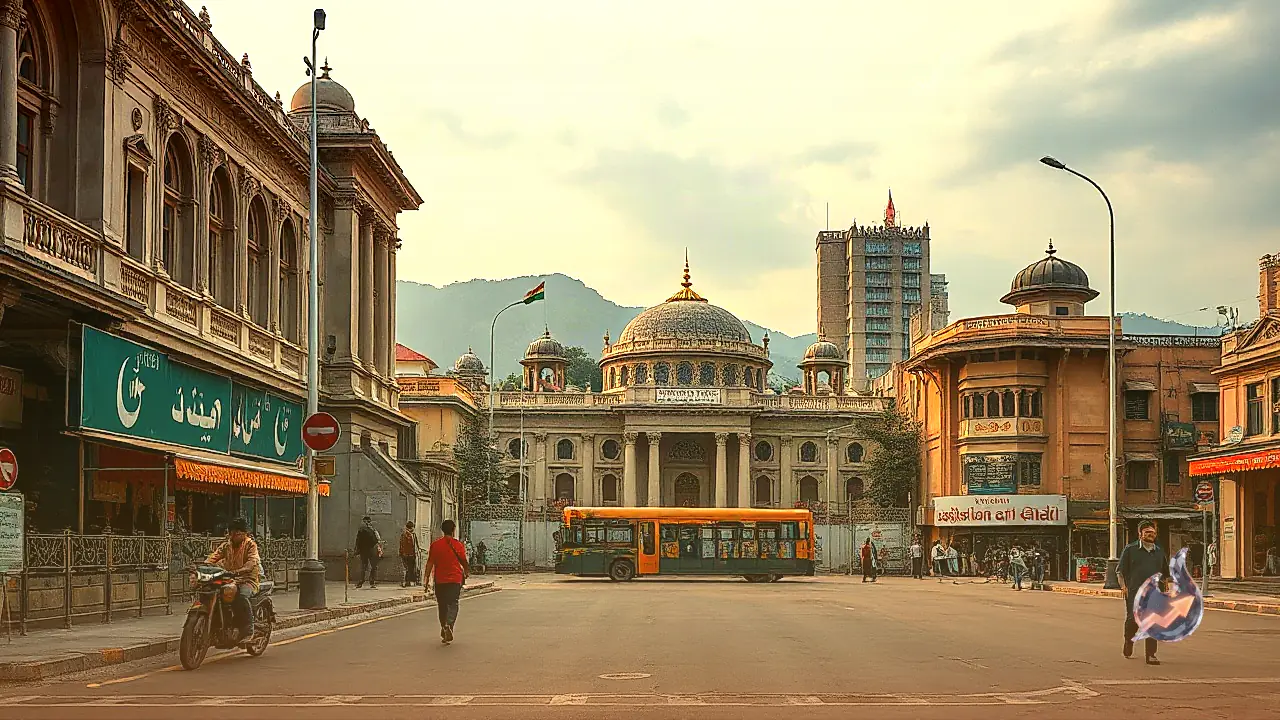
Prayagraj is a prominent and historic city located in the Indian state of Uttar Pradesh, serving as the headquarters of the Prayagraj district. It is situated at the sacred Triveni Sangam, the confluence of the holy rivers Ganga, Yamuna, and the mythical Saraswati, making it one of the most revered pilgrimage centers in Hinduism. The city hosts the Kumbh Mela every twelve years and the Ardh Kumbh every six years, drawing tens of millions of devotees from across the globe. Originally known as Prayag, a fort was built by the Mughal emperor Akbar leading to the name Allahabad, which was officially changed back to Prayagraj by the Uttar Pradesh government in October 2018.
Controversy Over Development Claims
In his critique, Yadav remarked sardonically that while authorities set out to create a divine experience, financial maneuvering is visible at every turn. He also questioned the renaming policies and the prevailing administrative conditions. Critics argue that despite massive budgetary allocations, foundational civic facilities in various pockets require urgent attention to prevent waterlogging and infrastructural strain during major gatherings.
Public Reaction
The social media post drew mixed reactions from the public, with some users expressing concern over civic amenities and infrastructure, while others emphasized that critical urban issues should be addressed beyond partisan politics.