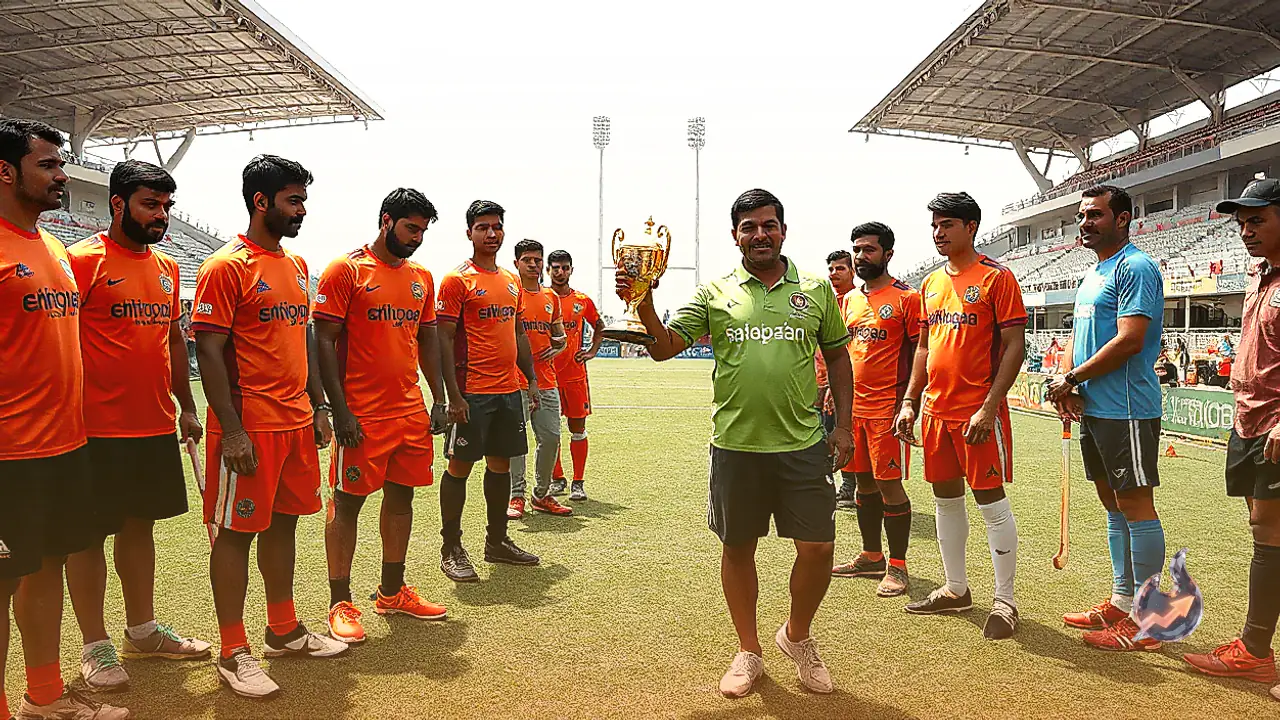






















Ahead of their upcoming World Cup group stage fixture in Amsterdam, Netherlands, veteran goalkeeper PR Sreejesh has shared his perspective on the evolving dynamics between India and Pakistan, noting that the team has successfully addressed the vulnerabilities that once plagued them against their historic rivals. Both squads are set to lock horns on Wednesday, and the former player believes the squad is fully equipped to navigate the fixture with confidence.
Overcoming Late-Game Deficits
The two-time Olympic bronze medalist pointed out that the fierce edge once associated with India-Pakistan encounters has transformed, driven by massive improvements in fitness, physical strength, game awareness, and decision-making capabilities. Speaking to JioStar, Sreejesh remarked that fixtures against Pakistan are no longer as daunting as they used to be. While conceding goals in the dying minutes or the final quarter was once a recurring issue, the tables have turned, with the national side now frequently securing victories through late strikes.
The Impact of the Four-Quarter Format
Reflecting on structural changes in the sport, the former goalkeeper noted that the transition to a four-quarter format, coupled with proactive internal improvements, helped eradicate the flaws that previously hurt the side in tight contests. In the era of 35-minute halves, fatigue and momentary lapses in judgment often led to costly defensive errors. Although Pakistan retains the capacity to put up a fight, Sreejesh believes their current team level differs from the past, where matches routinely hung in the balance and ended in narrow 1-0 or 2-1 scorelines.
Navigating European Opponents
Shifting focus to broader tournament challenges, Sreejesh emphasized that India must maintain strict defensive discipline when facing formidable European squads. The team has been experimenting with a new tactical approach over the past year and a half, which at times forces a more conservative defensive posture. Nevertheless, strong performances in recent Pro League outings demonstrated the squad's capability to push forward and fight hard.
Balancing Defense and Natural Aggression
Concluding his assessment, the former captain stressed the importance of striking the right balance between defensive solidity and the team's natural attacking flair. He highlighted zonal marking as an area requiring deeper understanding and coordination, advising against retreating too deep into the territory. Instead, he advocated for maintaining high pressure and defending from well beyond the center line to keep opponents on the back foot.