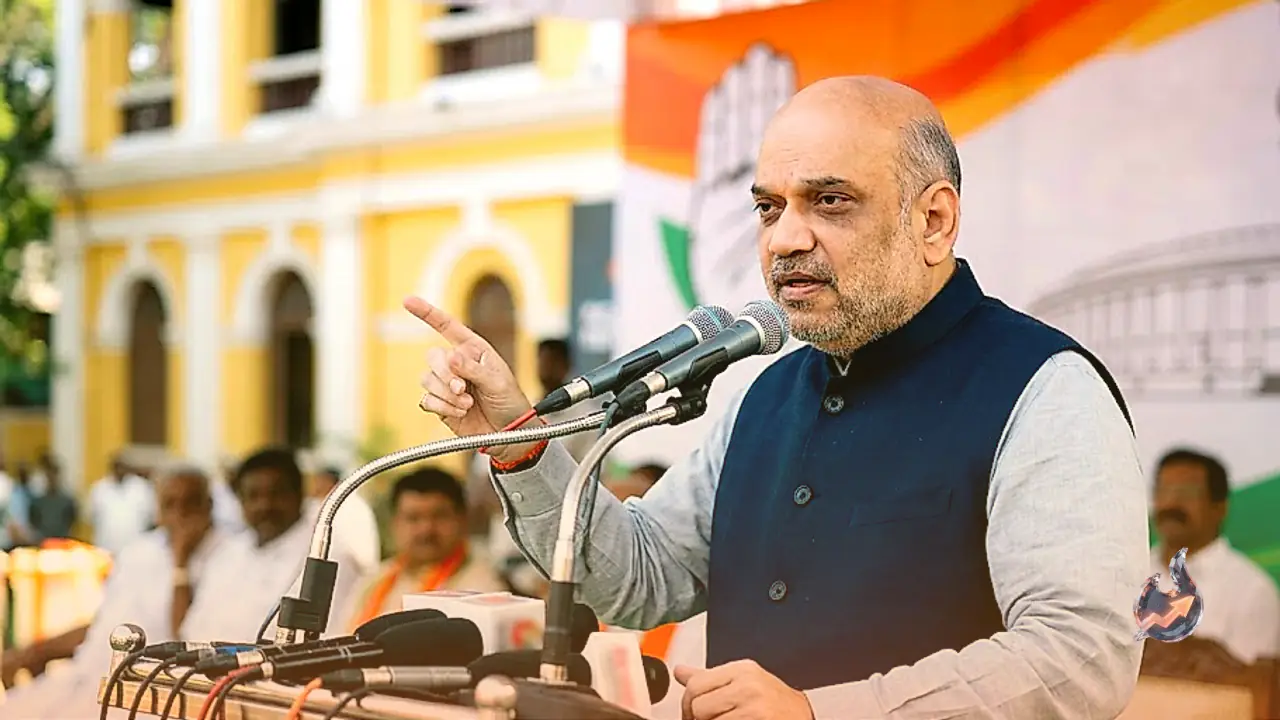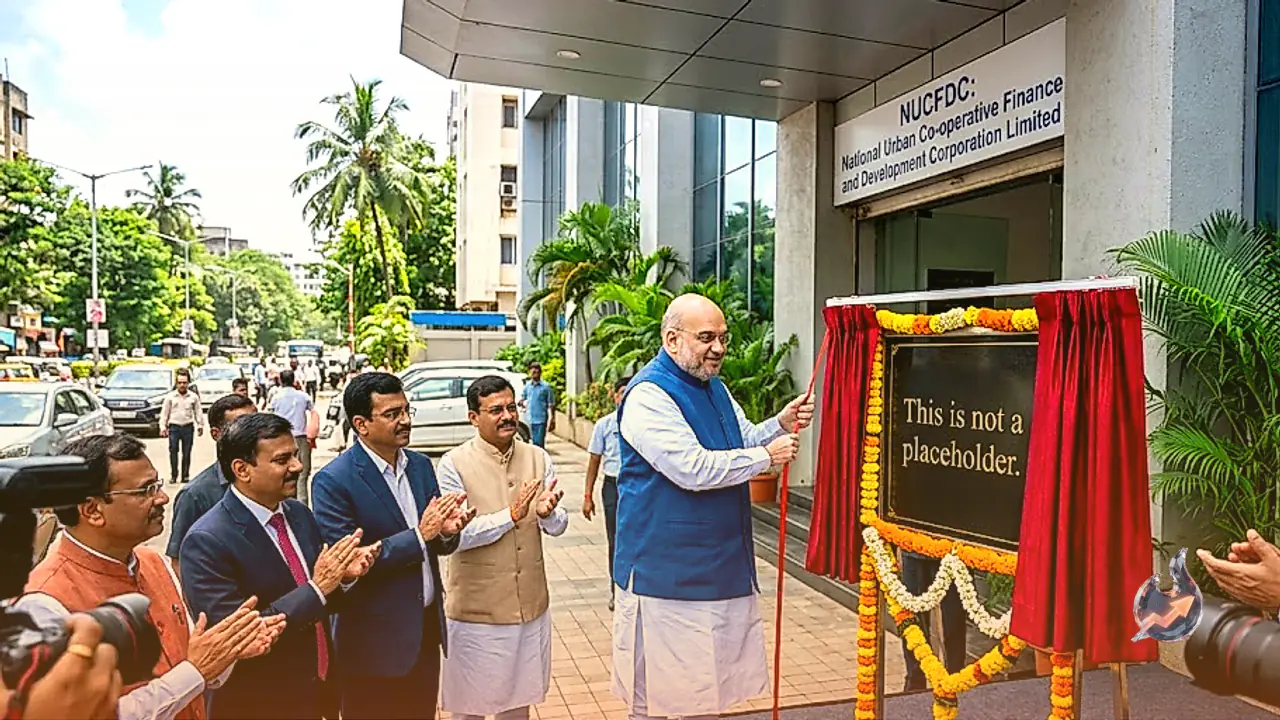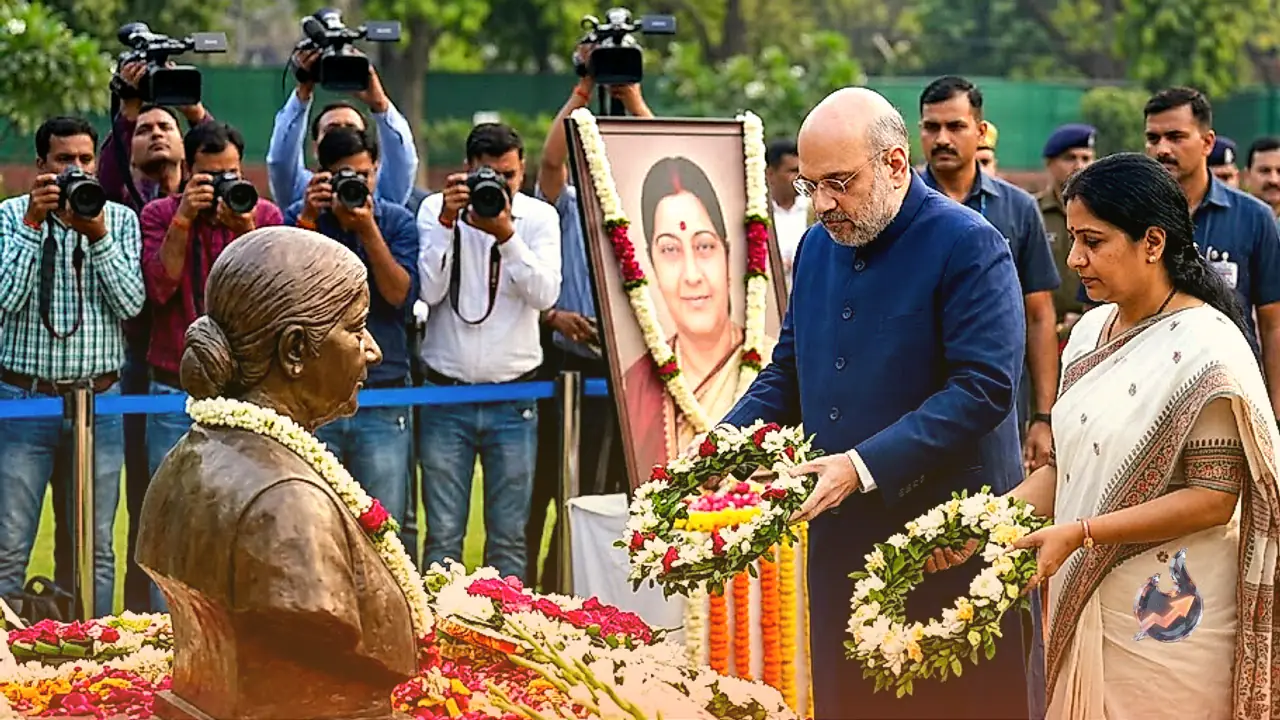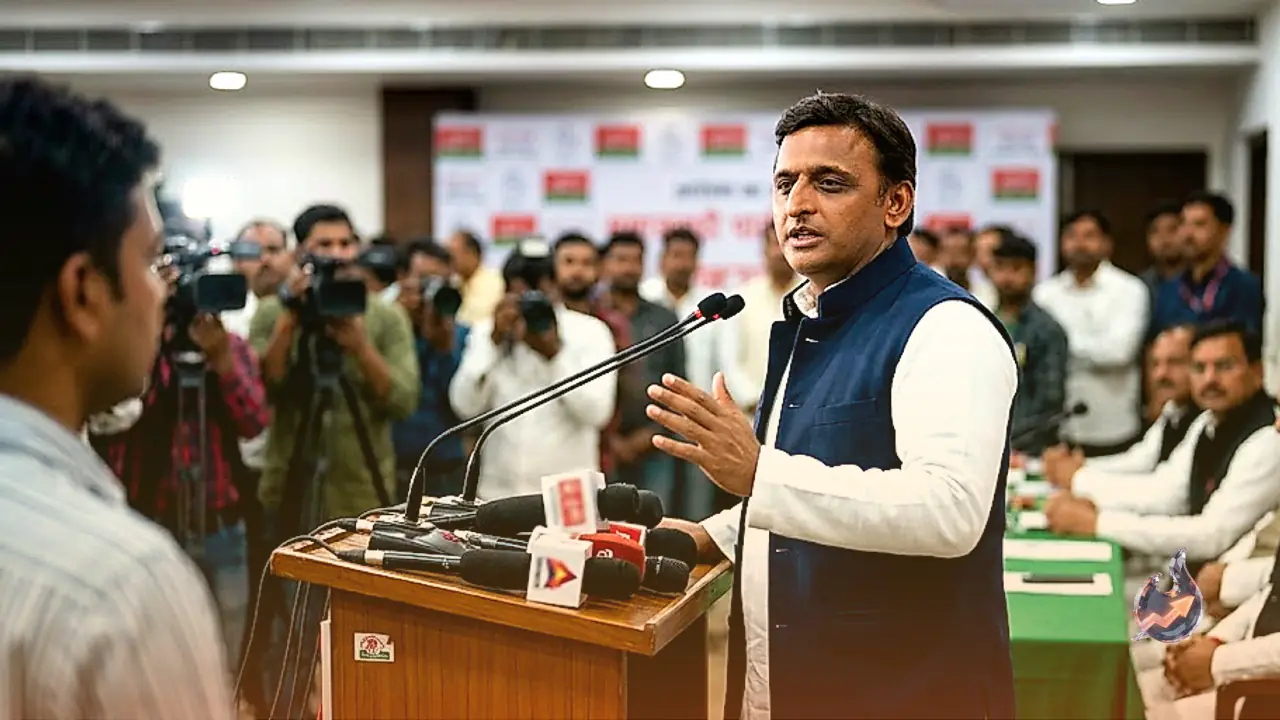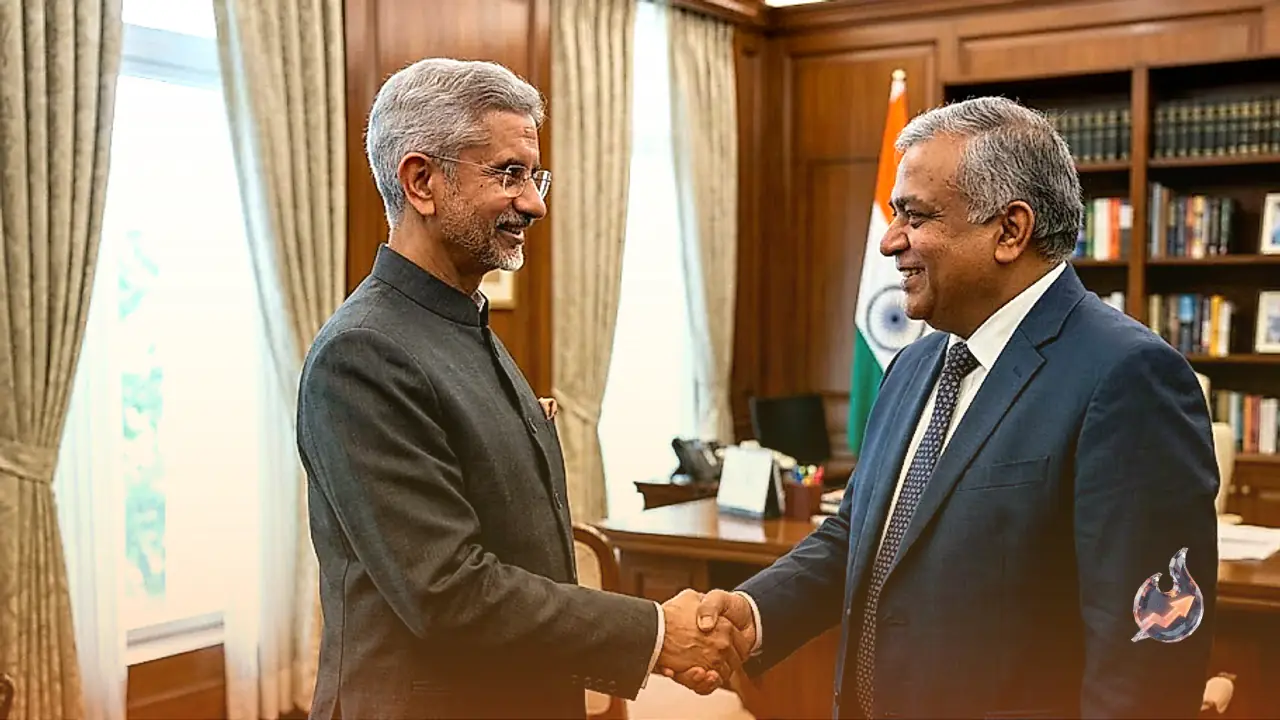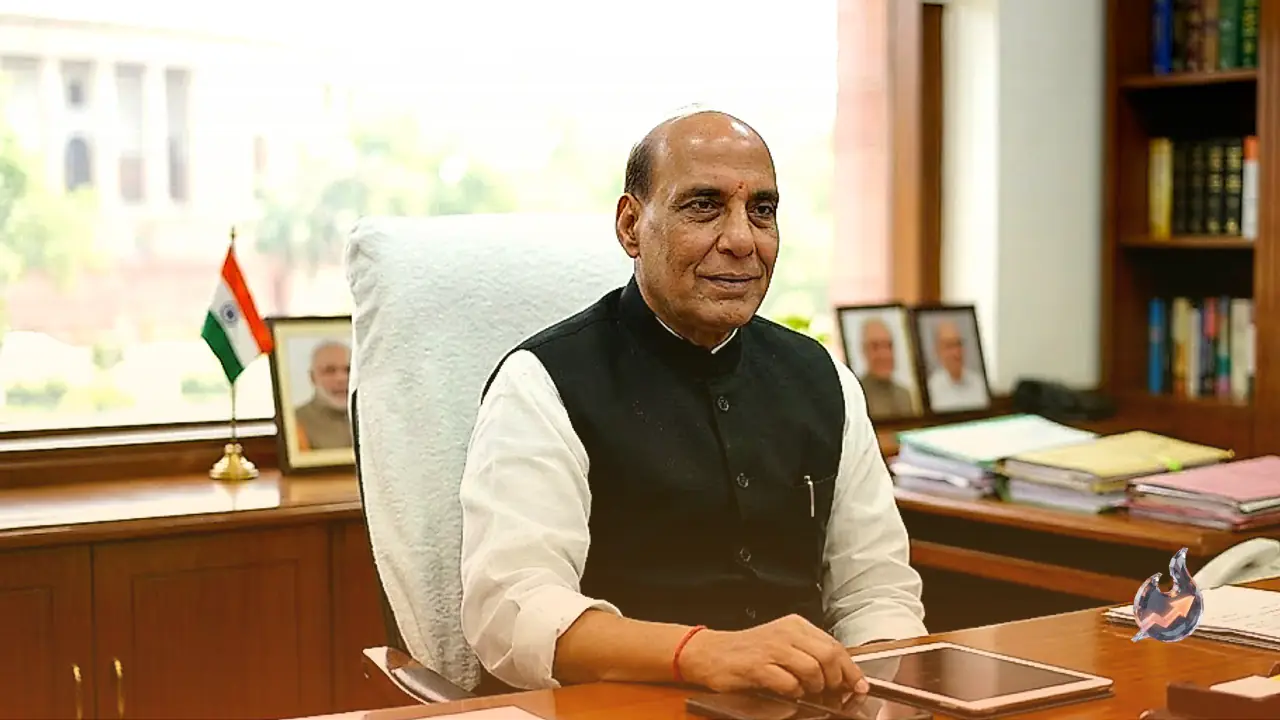





















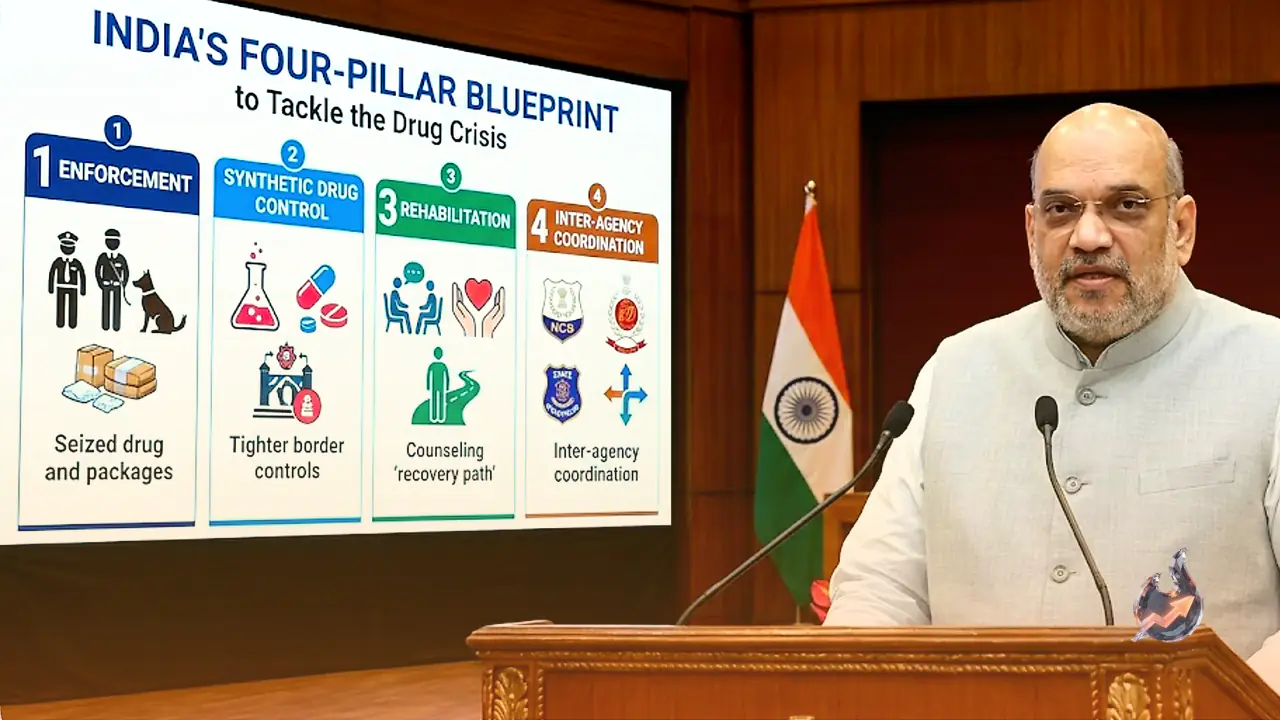

Amit Shah took to social media platform X to publicly lay out the strategy behind India's fight against drugs. His post outlined a four-pillar roadmap designed to tackle the narcotics problem from every angle simultaneously.
The Four Pillars Explained
The first pillar is enforcement, intelligence and operations. Under this approach, the work of law enforcement agencies in dismantling drug trafficking networks will be made more coordinated, faster, and results-driven. Intelligence systems and field operations will be brought into closer alignment to crack down on the drug supply chain at every level.
The second pillar deals with precursor and synthetic drug control. The drug threat today extends far beyond traditional trafficking routes, with synthetic substances increasingly manufactured in clandestine laboratories using chemical precursors. Controlling the supply of these raw materials and disrupting illicit production is a central focus of this part of the strategy.
The third pillar is demand reduction and rehabilitation. Cutting supply alone is not enough to solve the problem. People already trapped in the grip of addiction need access to treatment, counselling, and structured rehabilitation support. This pillar places the human dimension of the drug crisis at the heart of the overall plan, recognising that enforcement and compassion must go hand in hand.
The fourth and final pillar covers capacity building and coordination. Combating drugs is not a task any single agency can handle on its own. Strengthening the institutional capabilities of the various bodies involved and building better coordination between central and state governments form the foundation of this last but equally essential pillar.
Background
According to news reports, Amit Shah chaired the 10th Apex Level Meeting of the Narco-Coordination Centre (NCORD) in his capacity as Union Home Minister. At the same event, a Vision Document on Drug Control for the period 2026 to 2029 was also unveiled, setting the direction for the country's anti-narcotics efforts over the coming three years.
Public Reaction
Public response to the post was mixed. A large number of people welcomed the initiative as a strong and decisive step toward a drug-free India, expressing hope that the four-pillar framework would translate into real action on the ground. At the same time, a section of users raised sharp questions, arguing that it was contradictory for the government to license alcohol sales on one hand while simultaneously running an anti-drug campaign on the other.