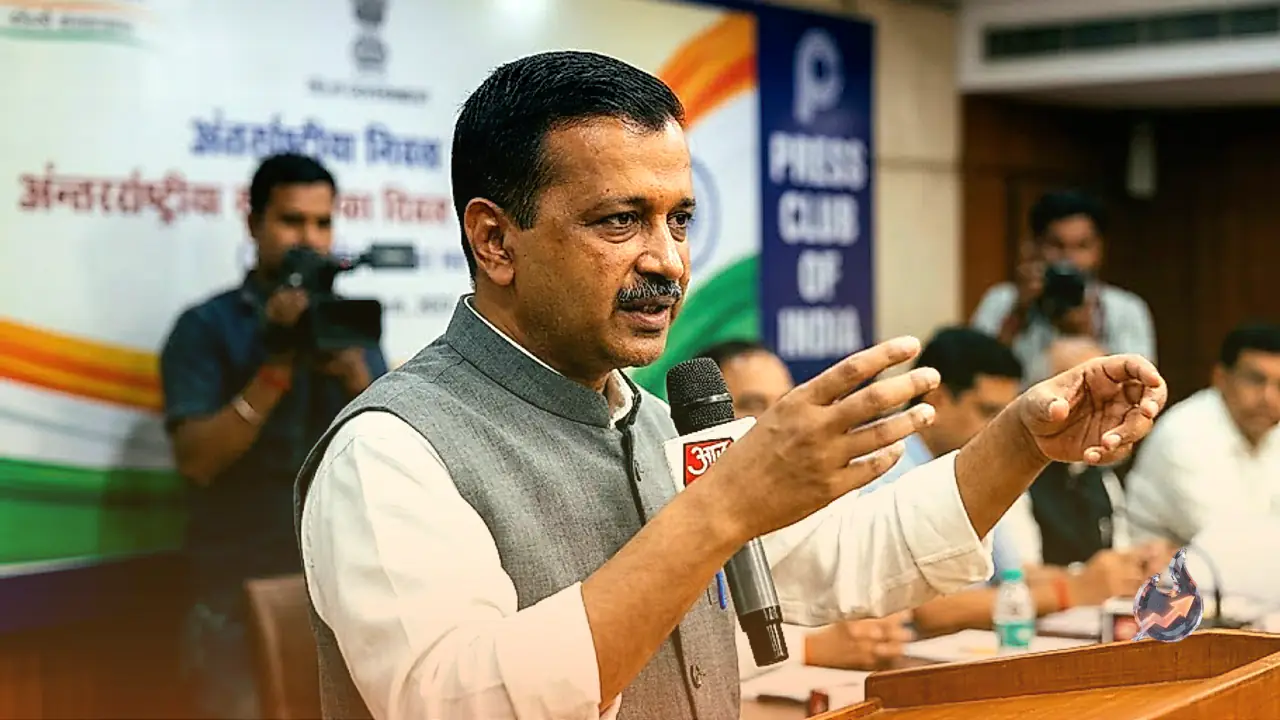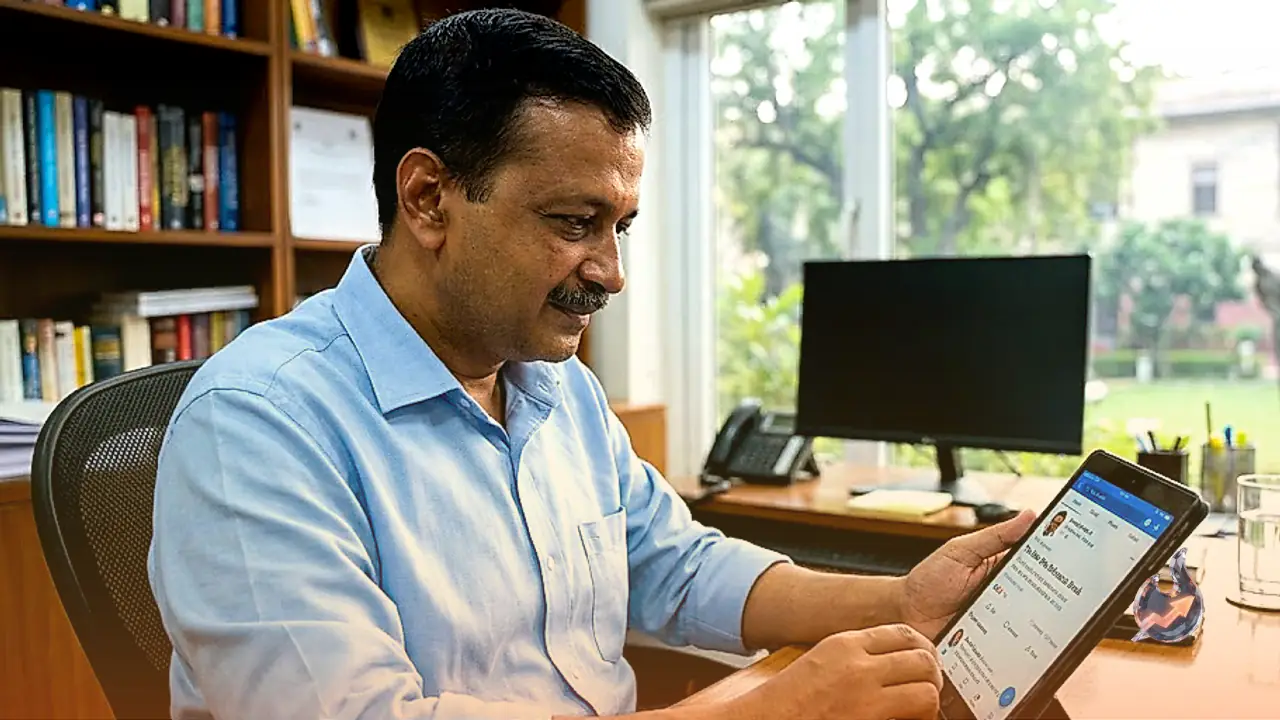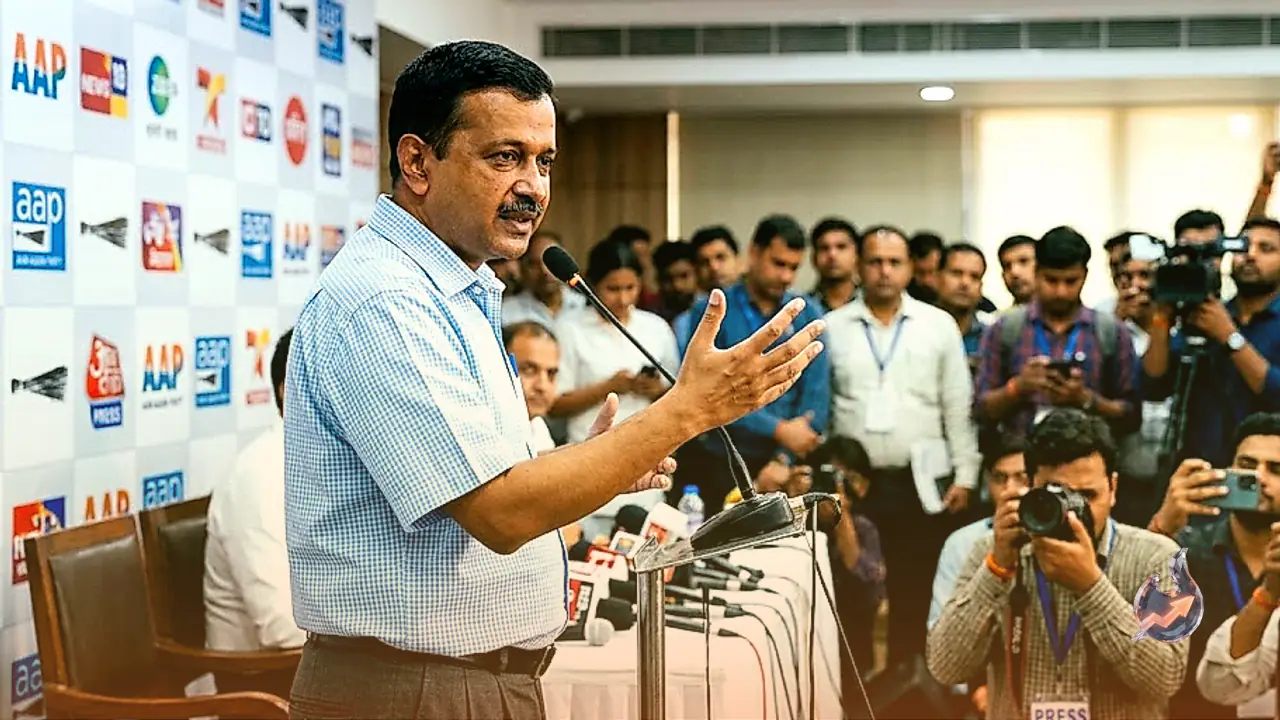

















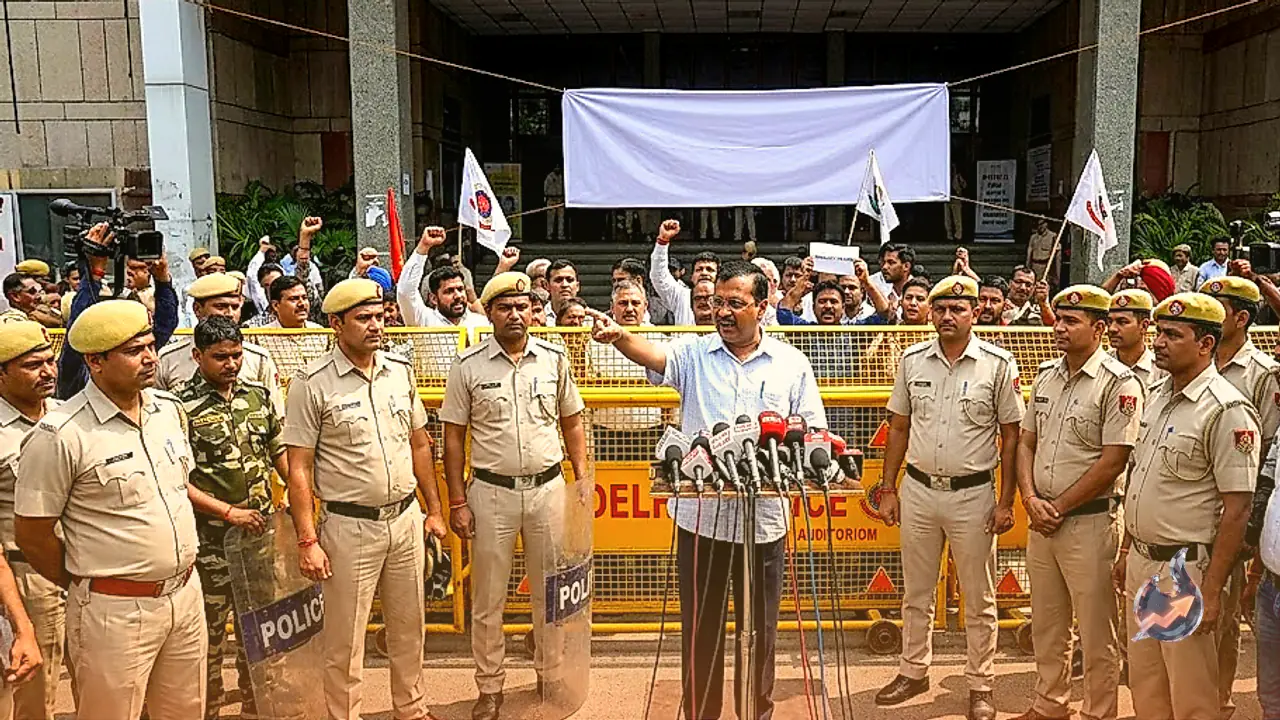

Political tension has escalated in the national capital following allegations surrounding a scheduled public forum organized to oppose the government's 20 percent ethanol-blended petrol policy, known as E20. Senior Aam Aadmi Party leader Arvind Kejriwal has launched a sharp attack against Prime Minister Narendra Modi, alleging that the administration is utilizing the Delhi Police to suppress and block the 'National Townhall Against E20' event. Kejriwal asserted that citizens will not be intimidated by police action and demanded an immediate rollback of the controversial fuel blending directive.
Allegations Over the Anti-E20 Townhall and Kejriwal's Stance
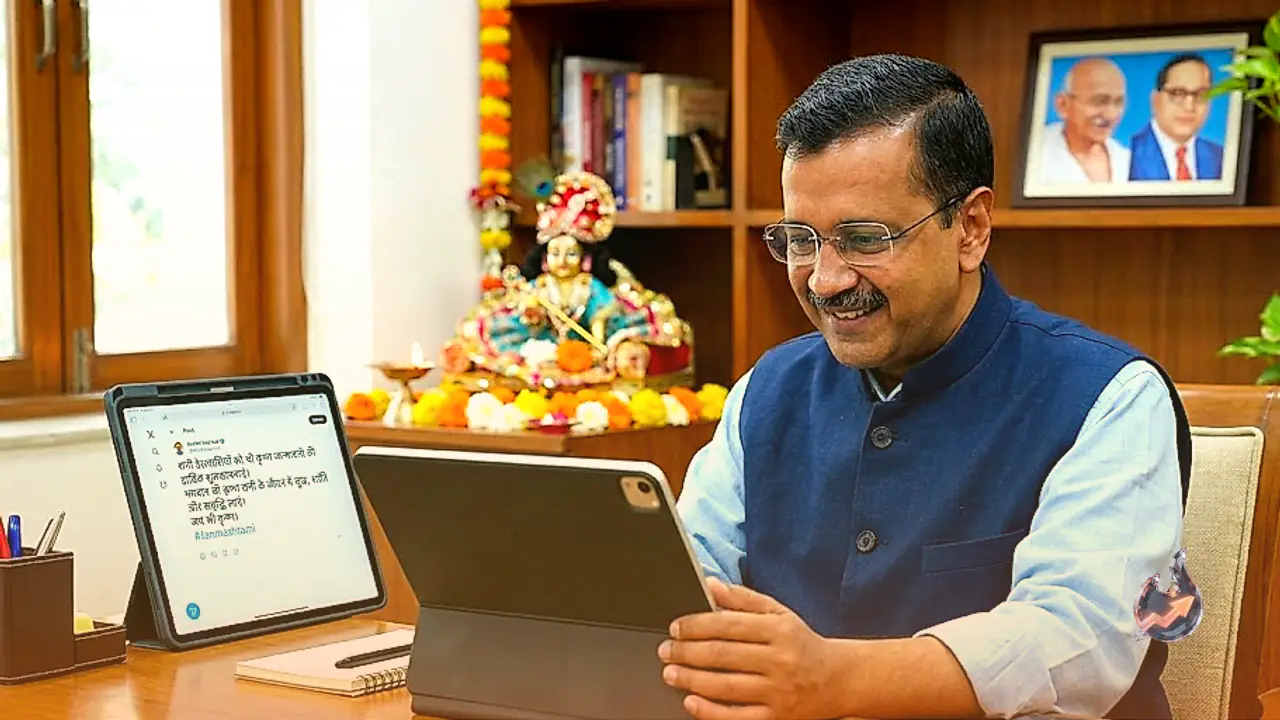
In a statement released on the social media platform X, Arvind Kejriwal highlighted the growing public mobilization against the mandatory implementation of E20 fuel. He claimed that law enforcement authorities were being deployed specifically to halt the townhall meeting, which was intended to voice the concerns of motor vehicle owners and consumers. Directly addressing Prime Minister Narendra Modi, Kejriwal stated that the government would ultimately have to withdraw the E20 mandate, maintaining that police measures cannot suppress legitimate democratic discourse and public grievances.
The Growing Controversy Surrounding E20 Fuel Policy
The central government's initiative to roll out E20 petrol nationwide aims to lower carbon emissions and reduce India's heavy reliance on imported crude oil. However, the mandate has sparked significant debate among automobile owners, mechanics, and industry analysts. Critics argue that higher ethanol concentration causes accelerated degradation of rubber components, fuel lines, and engine parts in non-compliant or older vehicle models. Concerns over reduced fuel efficiency and potential maintenance costs have driven citizens to organize campaigns such as the 'National Townhall Against E20' to demand policy revisions.
Heightened Police Scrutiny and Social Media Compliance
Kejriwal's allegations come during a period of increased monitoring of online platforms by the Delhi Police and other law enforcement agencies. Authorities have recently issued formal notices to major social media companies, directing them to remove content deemed objectionable or inflammatory targeting Prime Minister Narendra Modi and senior security officials. Furthermore, police have requested account details of specific users involved in circulating controversial posts. Recent police interventions during student and youth demonstrations at locations such as Jantar Mantar have further fueled political debates over civil liberties and administrative oversight.
Broader Political Friction and Legal Actions
The confrontation over the E20 townhall forms part of a wider pattern of legal and administrative disputes between political parties. Across various states, enforcement agencies have taken action against digital campaigns and public statements. For instance, police in Odisha recently arrested an individual for posting morphed images of senior leaders, while legal complaints have been submitted in Delhi regarding public speeches by opposition figures. Against this backdrop, opposition leaders contend that law enforcement machinery is being selectively applied to curb public assemblies and political dissent.
Public Reaction
The announcement triggered diverse responses across digital platforms, with several automobile enthusiasts and commuters supporting the demand for a re-evaluation of E20 fuel safety. Conversely, critics accused opposition leaders of attempting to sensationalize public policy matters and divert attention from governance challenges in states like Punjab.