
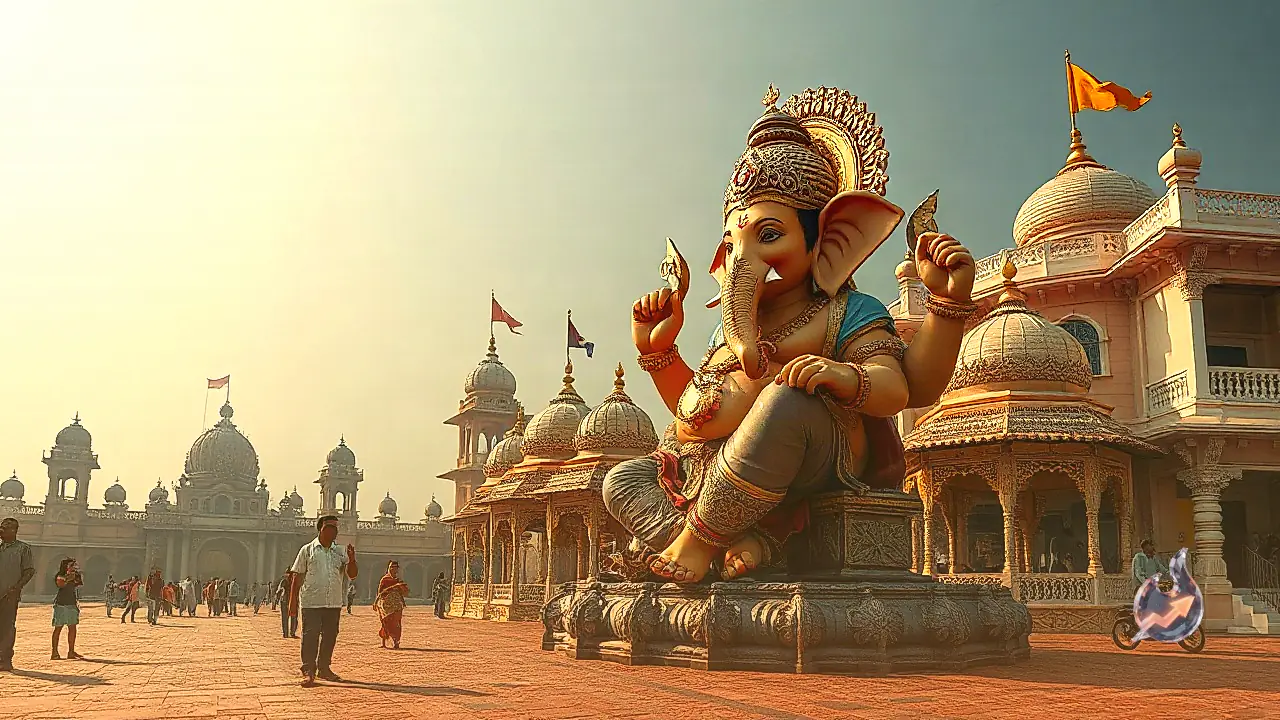






















The religious city of Ajmer holds a distinct identity for its ancient traditions and revered temples. Several spiritual destinations located here carry deep-rooted beliefs and decades of devotion. Among these prominent sites is the renowned Khoda Ganesha Temple in Ajmer. On the auspicious occasion of Ganesh Chaturthi, large numbers of devotees gather at this sacred location to seek blessings from Lord Ganesha.
A Self-Manifested Idol
Temple priests explain that the idol of Lord Ganesha installed here was not brought and established by any individual. Instead, the divine form manifested on its own at this exact spot. According to historical accounts and local traditions, a pond existed at this location around 1700 CE. The idol of Lord Ganesha appeared directly on the edge of that pond, establishing the spiritual significance of the area.
Divine Shapes on Ancient Trees
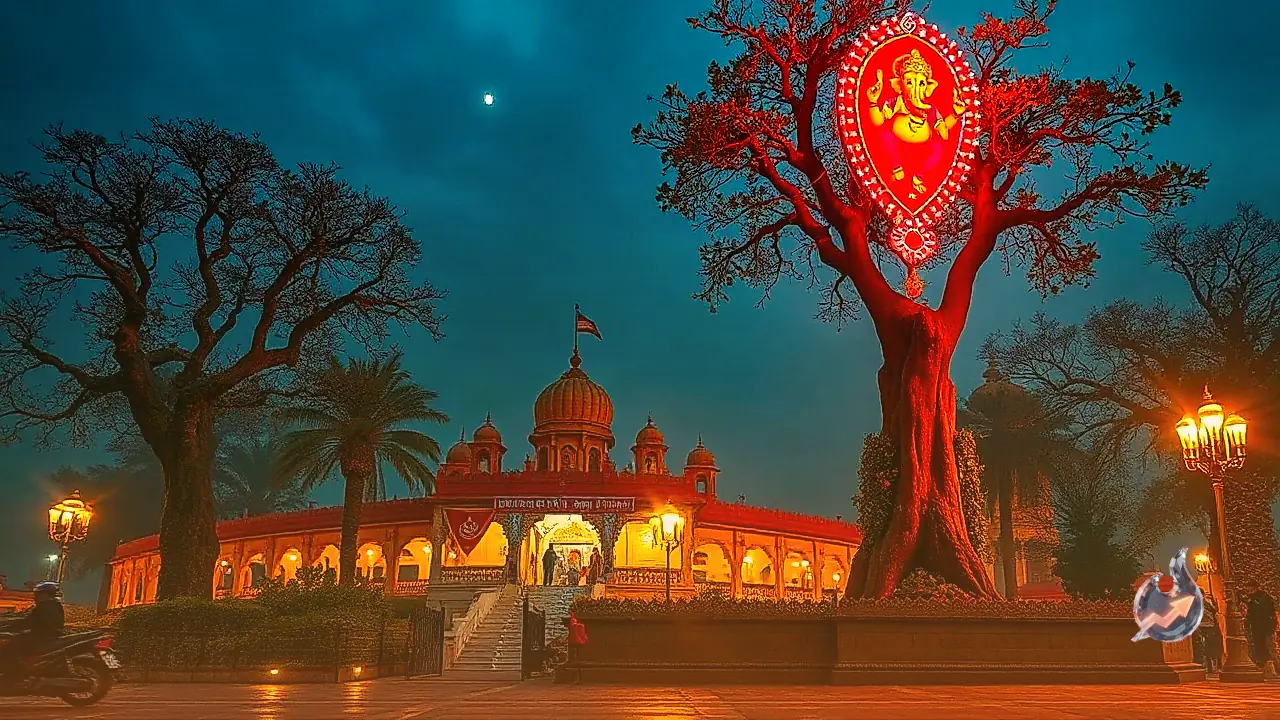
Another striking feature within the temple premises is the presence of banyan and tamarind trees aged well over 300 years. The trunks of these two ancient trees are naturally intertwined with one another. A remarkable aspect is that across these joined trunks, roughly 12 distinct formations resemble the shapes of Lord Ganesha.
The Tradition of Offering Threads
Devotees observe these natural formations with utmost reverence, considering them divine manifestations of Lord Ganesha. Visitors coming to the temple tie sacred threads around the tree to voice their wishes and pray for fulfillment. Special rituals and worship ceremonies take place on Ganesh Chaturthi, drawing huge throngs of worshippers to the shrine.
How to Reach the Temple
For those planning a visit to the Khoda Ganesha Temple around Ganesh Chaturthi, the shrine is situated roughly 26 kilometers away from Ajmer city and about 10 kilometers from Kishangarh. Travelers can easily reach the location using private cars, buses, autos, and motorcycles.


