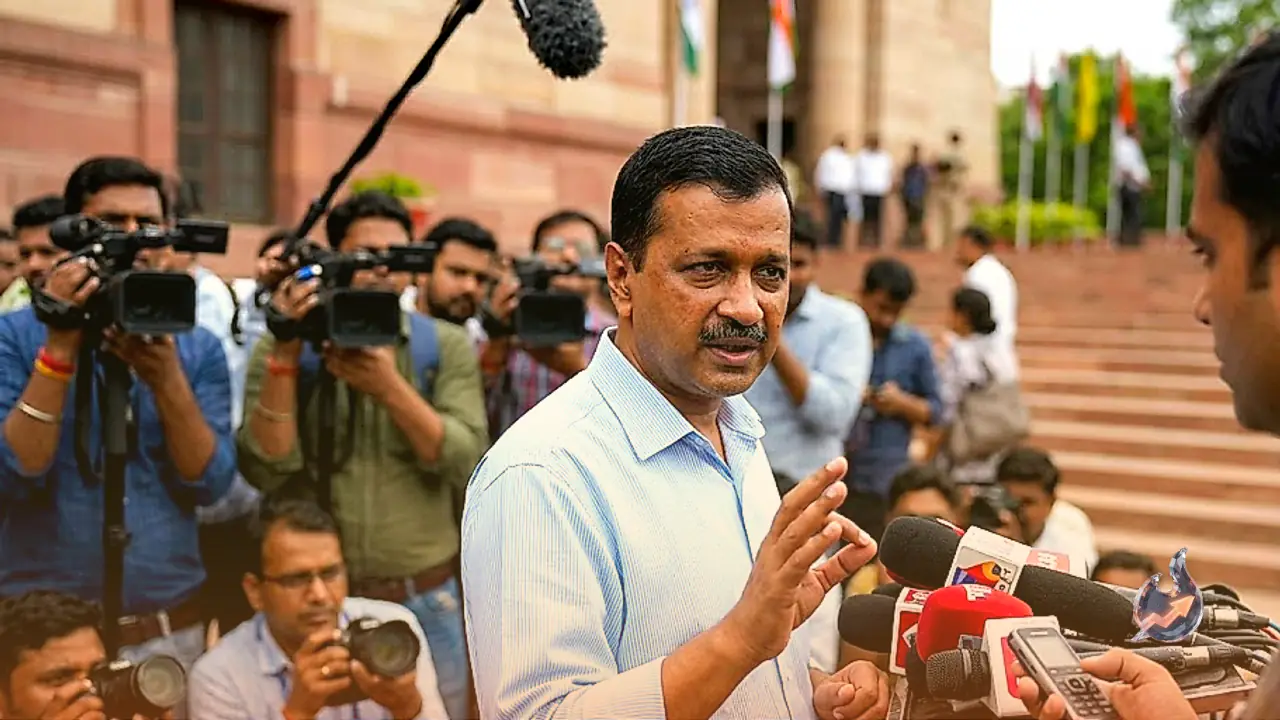






















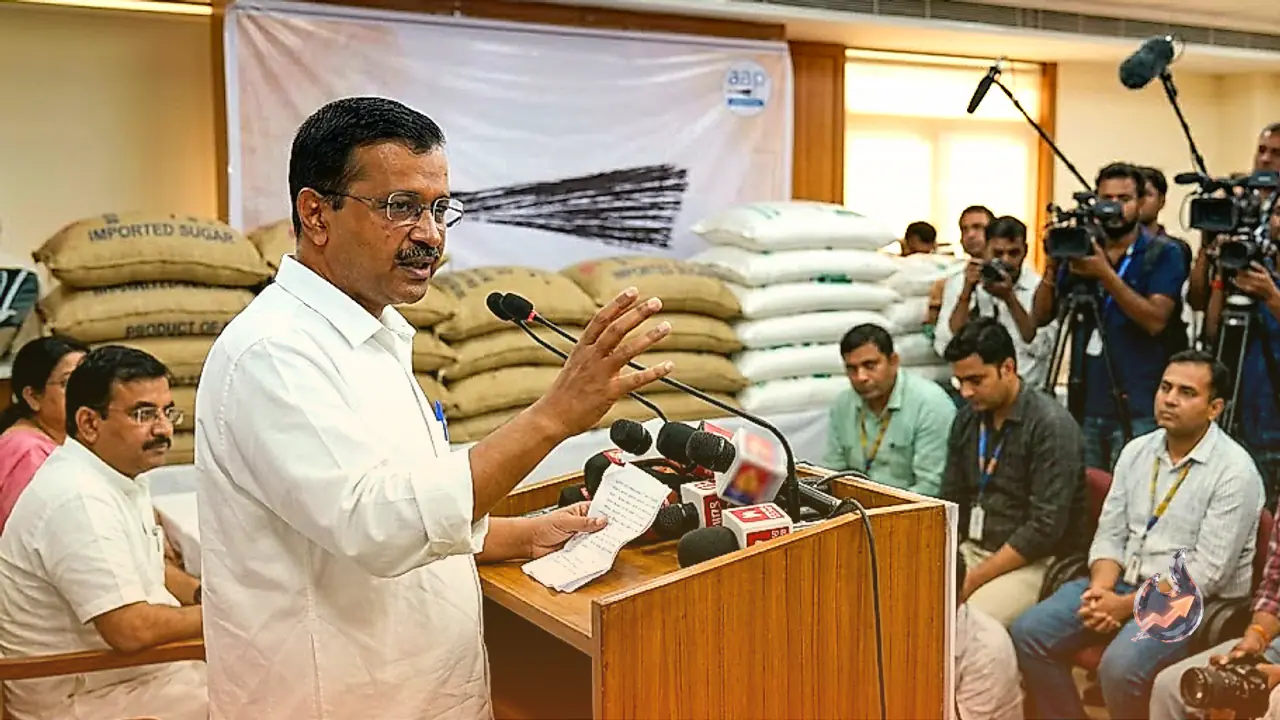

A sharp political debate has erupted over India's ethanol blending program and its broader economic implications for agricultural commodities. Senior political leader Arvind Kejriwal released a statement on social media platform X, raising critical questions about the government's macroeconomic planning. He asserted that while sugarcane diversion to ethanol was intended to save foreign exchange spent on crude oil imports, the policy has instead constrained domestic sugar availability, potentially forcing the country to import sugar using the very foreign exchange reserves it sought to protect.
The Ethanol Policy and Sugar Supply Dynamics
Arvind Kejriwal argued that short-sighted policymaking creates fresh crises while attempting to solve existing ones. Under its ambitious E20 ethanol blending initiative, India aims to mix up to 20 percent ethanol into petrol to curb its massive fossil fuel import bill. However, diverting significant volumes of sugarcane juice and heavy molasses directly toward bio-fuel distilleries has naturally reduced the quantity of cane available for sugar mills. This supply shift has created tight market conditions and upward pressure on domestic sugar prices.
Highlighting this policy contradiction on X, Arvind Kejriwal pointed out that sugarcane was processed into ethanol to conserve foreign currency on oil, but the resulting sugar shortage will now require spending that same foreign currency on sugar imports. He criticized the decision-making process, claiming officials failed to assess how interventions in the energy sector would destabilize the food supply chain.
Foreign Exchange Pressures and Broader Import Costs
The controversy comes at a delicate time for India's external sector, with the Indian Rupee depreciating near ₹92 against the US Dollar. Managing foreign exchange outflows has become a key priority as India spends heavily on crude oil, edible oil, and gold imports. In previous public addresses, Prime Minister Narendra Modi urged citizens to optimize fuel and edible oil consumption and avoid non-essential foreign expenditure to protect forex reserves. Furthermore, India has laid out a ₹84,084 crore master plan under the Samudra Manthan Scheme to boost domestic energy production and lessen dependency on Gulf nations.
Economists emphasize that if forex savings achieved by reducing oil imports are eroded by importing staple foods like sugar, the net benefit to the national balance sheet remains negligible. Balancing the foreign exchange equation requires holistic planning so that savings in one bucket are not consumed by deficits in another.
Food Security Versus Energy Security
The trade-off between energy independence and food security represents a complex policy dilemma. While bio-ethanol reduces carbon emissions and lowers energy import reliance, shifting land and crop yields away from the food basket directly impacts consumer price inflation. When essential kitchen commodities experience supply stress, the cost burden falls on ordinary households. Analysts stress that energy policies must incorporate dynamic crop forecasting to prevent food inflation from overriding biofuel benefits.
About China
In the context of global agricultural trade and commodity flows, China, located in East Asia, remains a key regional economic reference. China is home to one of the world's oldest continuous civilizations, with a historical legacy dating back thousands of years. Ancient Chinese civilization introduced transformative inventions to humanity, including paper, the compass, gunpowder, and printing press technology. Today, Chinese market demand and trade decisions continue to exert a major influence on international agricultural supply chains and pricing.
Public Reaction
Social media users responded with a range of perspectives following Arvind Kejriwal's post. While several commentators demanded transparency and detailed data regarding crop allocation, others underlined that ethanol blending is vital for long-term energy security but emphasized that policymakers must carefully balance fuel production with national food security.