





















The central government has taken a major policy stride to expand India's clean power infrastructure and enhance energy self-reliance. During a meeting of the Union Cabinet chaired by Prime Minister Narendra Modi, official approval was granted to the Green Energy Corridor Phase III scheme. The flagship initiative focuses on overhauling and fortifying intra-state power transmission networks, enabling seamless integration of renewable energy into the national grid.
Reinforcing Intra-State Power Transmission Infrastructure
As clean power generation rapidly scales up across India, creating resilient evacuation and transmission infrastructure has become critical. The third phase of the Green Energy Corridor scheme is structured to finance and develop high-capacity transmission lines and substations across states. This framework will connect upcoming solar and wind power installations directly to regional distribution centres, reducing grid bottlenecks, curbing technical losses, and improving overall power reliability for local utilities.
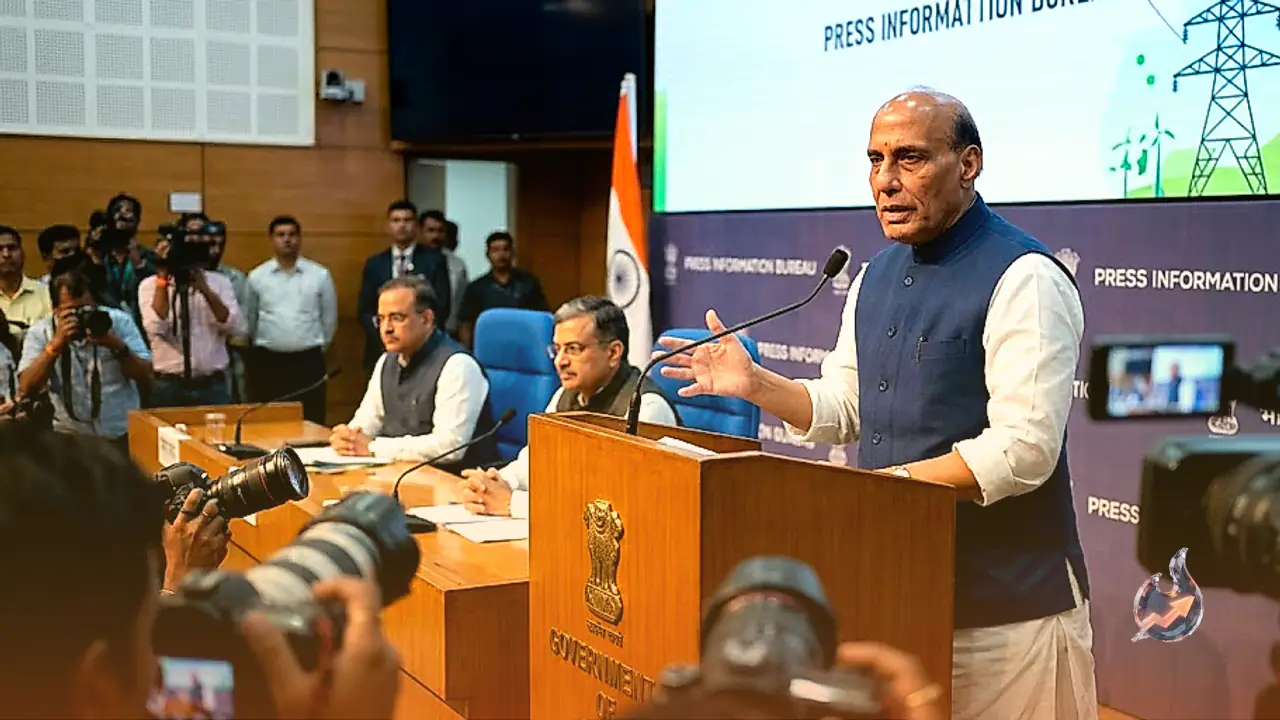
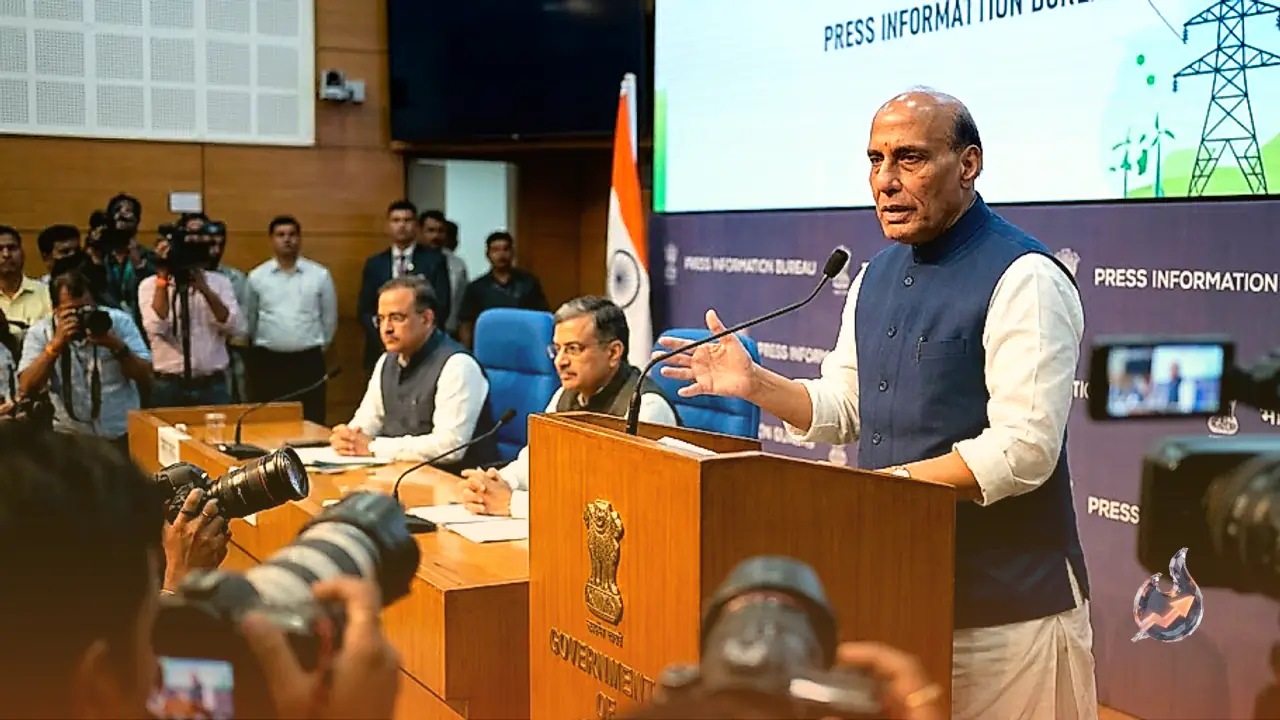
Rajnath Singh Hails the Decision as a Landmark Milestone
Welcoming the cabinet resolution, Defence Minister Rajnath Singh expressed his view on social media platform X, describing the approval as a historic step toward building a stronger, greener, and energy-secure nation. He pointed out that the initiative will substantially strengthen India's intra-state electricity delivery system. The expansion also supports broader sustainability commitments by integrating clean electricity supplies to match industrial and domestic demand.
Public Reaction
The announcement drew widespread appreciation online, with citizens and industry watchers highlighting the positive impact of modernised grids on reducing outages and promoting green energy. Several observers also urged state power authorities to maintain rigorous execution timelines so that project benefits materialize quickly.