





















In a major boost to India's clean energy transition, the Union Cabinet has cleared the third phase of the Green Energy Corridor with an estimated outlay of Rs 1.86 trillion. The massive initiative is designed to overhaul the power transmission network across states and Union Territories, ensuring that clean power generated from burgeoning solar and wind parks can seamlessly integrate into the national grid without bottlenecks.
Targeting 135 GW Power Evacuation and 50 GWh Battery Storage
The core focus of this phase is to establish the evacuation infrastructure required to carry 135 GW of renewable energy from high-yield generation zones to distant consumption hubs. Recognizing the intermittent nature of green power, the corridor incorporates 50 GWh of utility-scale battery energy storage systems. This storage capacity will absorb excess daytime generation and feed it back during peak evening demand, providing the much-needed frequency balancing and resilience to regional transmission systems.
Industrial Momentum and Employment Generation
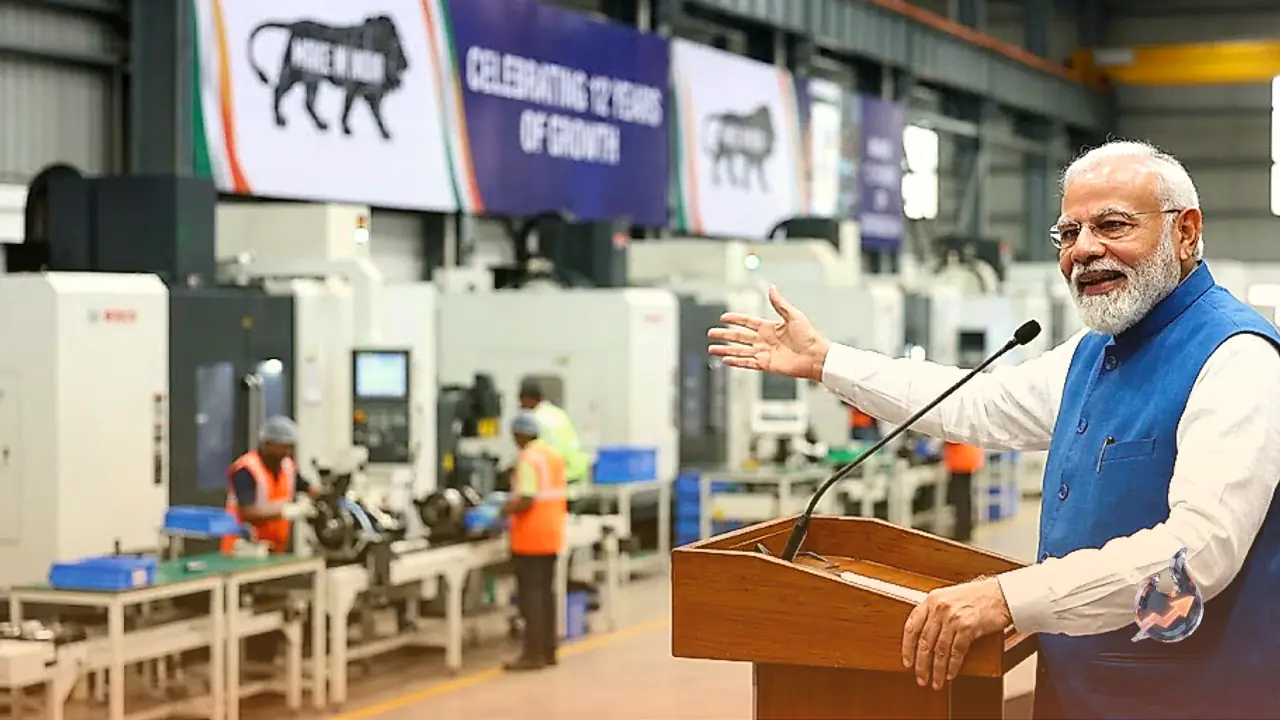
The capital expenditure of Rs 1.86 trillion is expected to spur robust industrial activity across power hardware manufacturing and civil engineering sectors. Supplying specialized transmission cables, substations, high-voltage transformers, and energy storage enclosures will stimulate domestic manufacturing supply chains. Simultaneously, extensive grid construction and maintenance operations are poised to generate thousands of direct and indirect employment opportunities for technical specialists and local construction workers nationwide.
Narendra Modi Highlights Core Pillars of the Decision
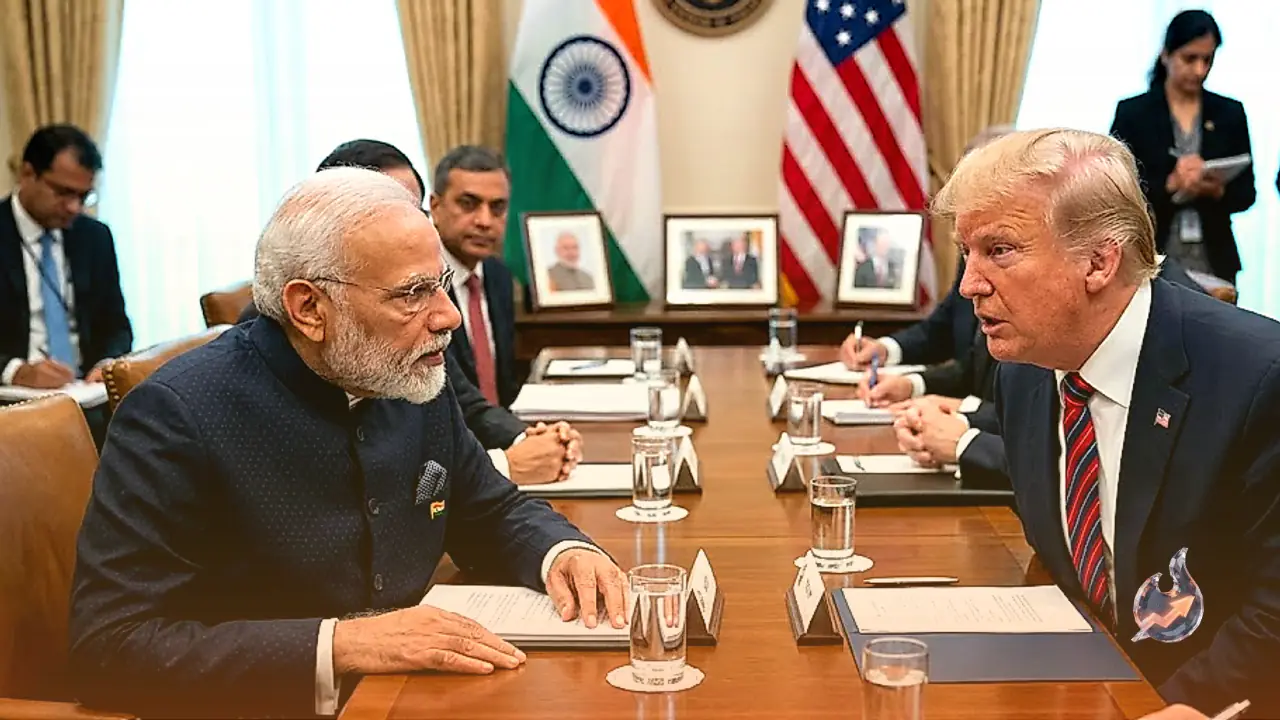
Highlighting the Cabinet approval, Narendra Modi took to social media platform X to outline the key dimensions of the development. He noted that the decision on the Green Energy Corridor Phase-III will deliver cleaner power, stronger grids, and expanded opportunities. Pointing to the operational metrics, he stated that the framework ensures 135 GW of renewable energy evacuation alongside 50 GWh of battery storage, while reinforcing power networks and driving jobs in manufacturing and construction.
Public Reaction
The public responded to the announcement with broad appreciation on social media platforms, welcoming the substantial capital commitment as a critical foundation for sustainable economic expansion. Industry observers and citizens alike commended the emphasis on utility-scale battery storage, noting that stabilizing grids across states is essential for handling massive additions of clean energy.