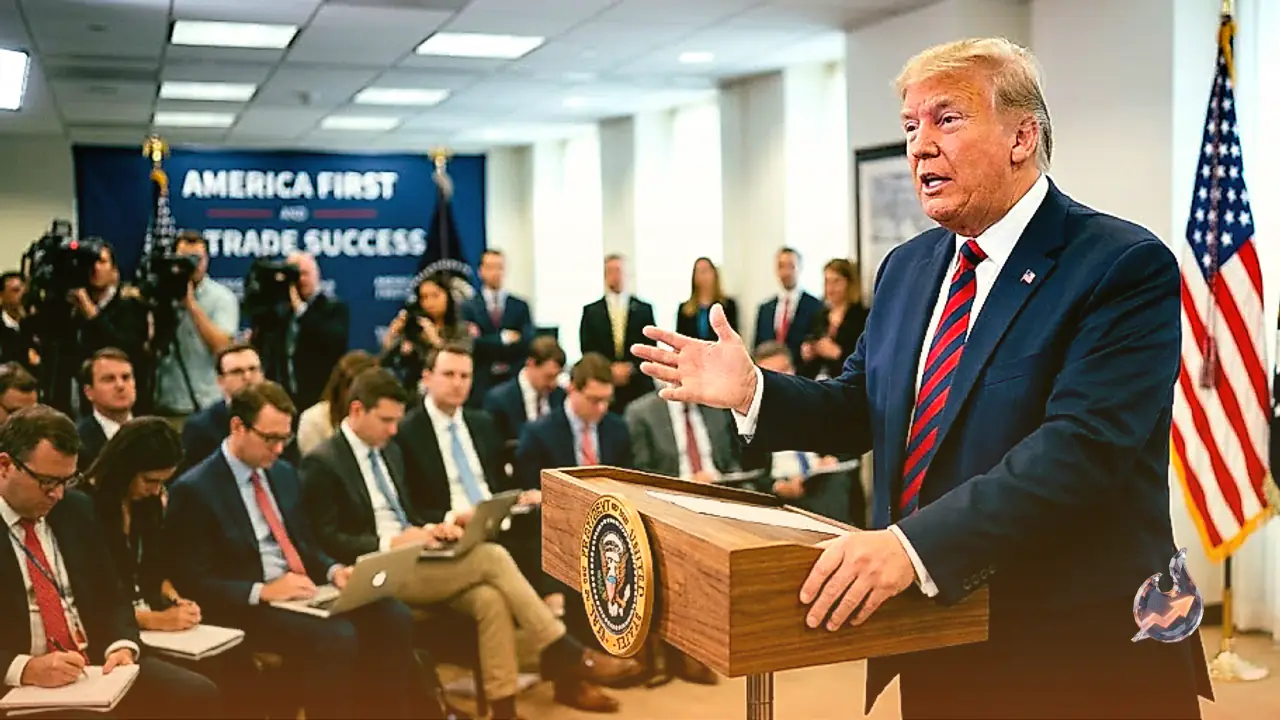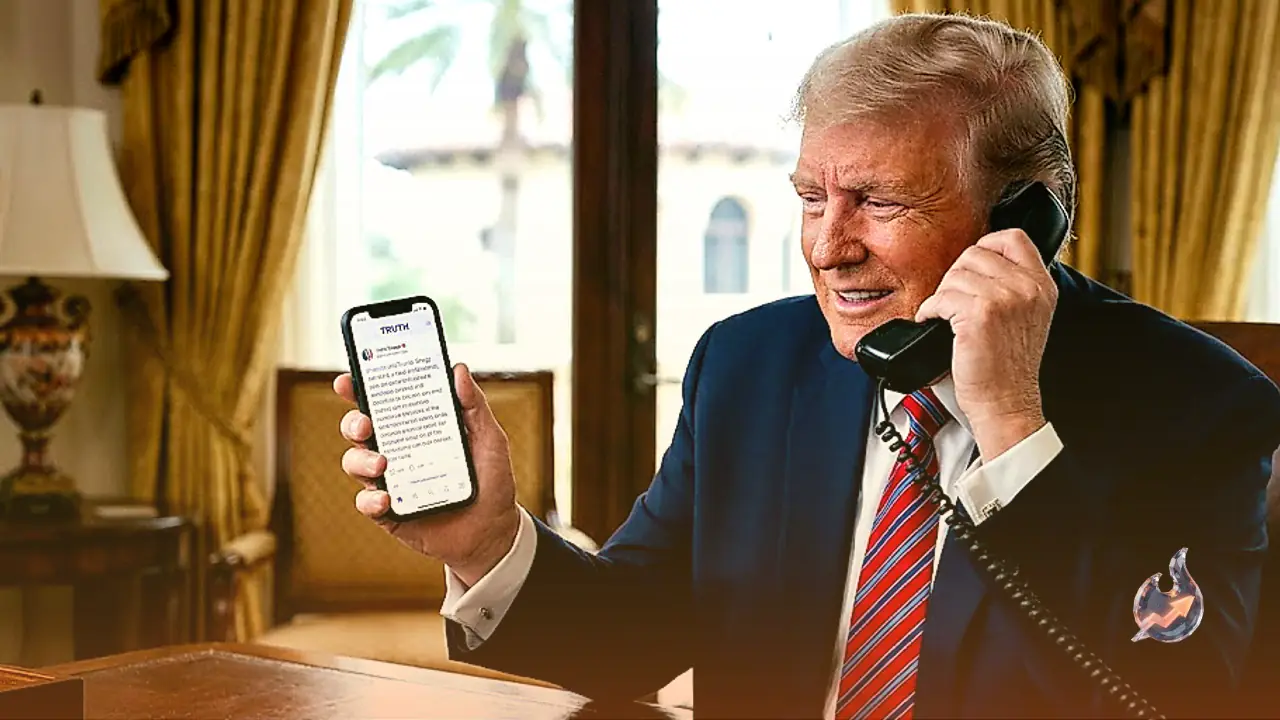






















Donald Trump has launched a sharp political attack on New York Governor Kathy Hochul via his Truth Social platform, criticizing her outreach efforts toward Arab voters and her backing of Manhattan's congestion pricing initiative. The statements come amid heightened political maneuvering ahead of New York's 2026 gubernatorial race, where Hochul faces mounting pressure from Republican challengers.
Trump's Social Media Criticism
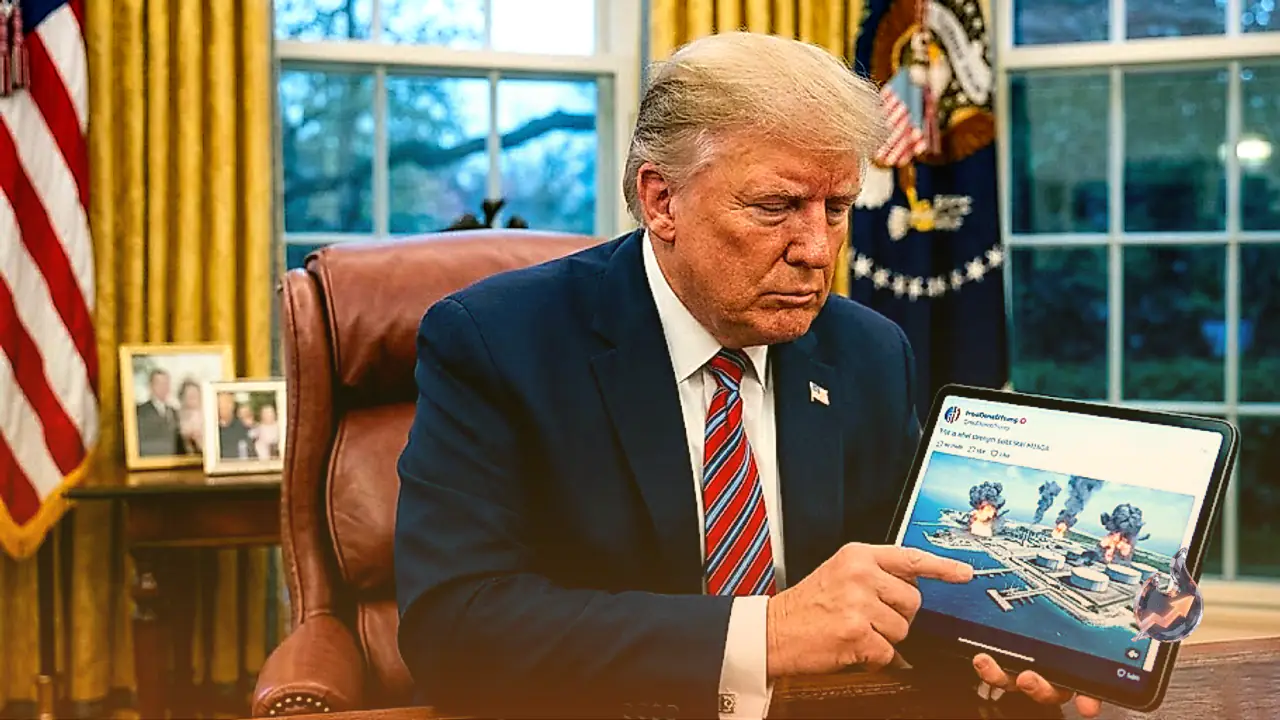
In his post, Trump referenced a recent photograph of Hochul, alleging that her campaign efforts to secure support among Arab American communities were out of step with public sentiment. He argued that current state policies under her administration are facing widespread disapproval.
Addressing the controversial tolling system designed to reduce traffic in New York City, Trump stated, "Congestion Pricing in Manhattan is hurting her with everybody, but especially the people for whom she wears the hijab." He characterized the overall administrative direction of the governor's office as deeply flawed.
Escalating 2026 New York Gubernatorial Contest
The exchange highlights the intensifying competition ahead of the 2026 election cycle in New York. Governor Hochul is preparing for a reelection campaign while Republican candidates build momentum across the state.
US Representative Elise Stefanik launched her campaign to challenge Hochul for the governorship, consistently criticizing the incumbent administration's performance. Additionally, Nassau County Executive Bruce Blakeman, a fellow Republican contender and Trump ally, entered the gubernatorial race and publicly called on Hochul to participate in debates.
Policy Challenges Facing Governor Hochul
Governor Hochul's administration continues to navigate complex state issues that have drawn attention from voters and political opponents alike. The implementation of Manhattan congestion pricing remains a major point of friction among commuters, business owners, and local residents.
Alongside transport tolls, Hochul's legislative focus includes proposals to address rising auto insurance costs, combat fraudulent insurance claims, and push forward state budget allocations for the agricultural sector. Opponents are positioning these governance and economic challenges as central topics for the upcoming election.