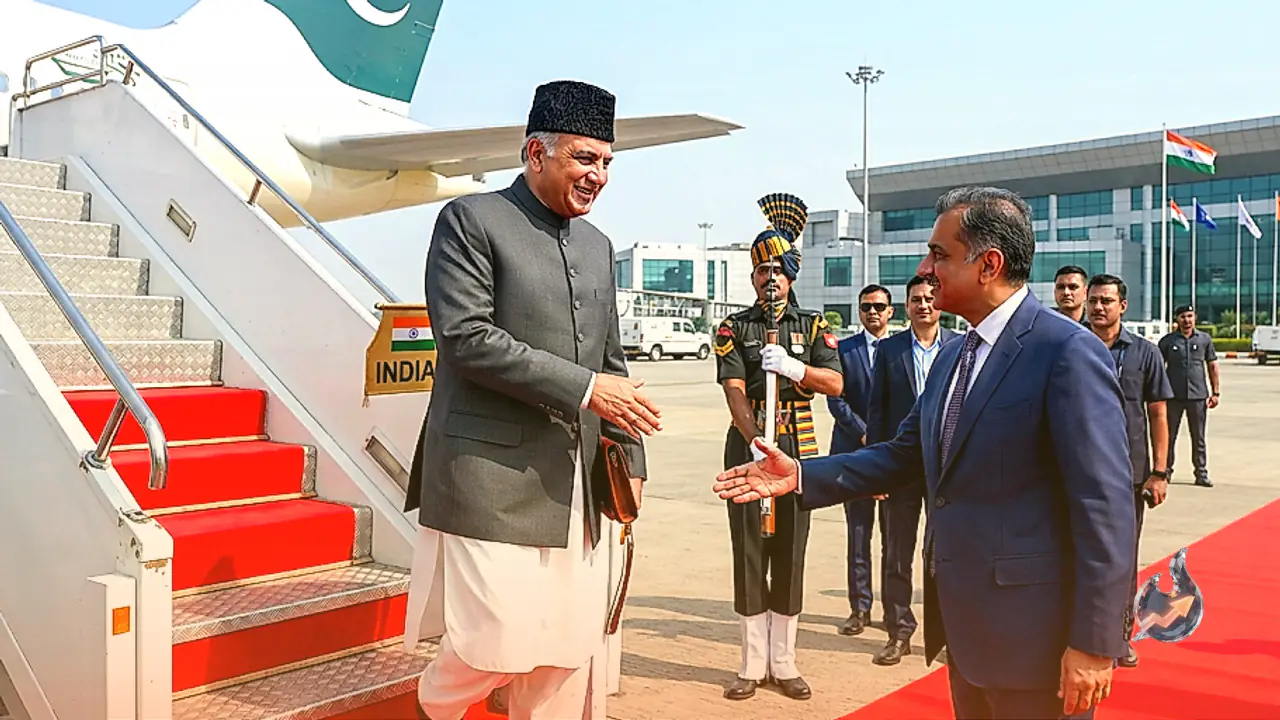

Prime Minister Narendra Modi frequently utilizes social media platforms to keep citizens informed about his official schedules and travels. In line with this, a major multi-state tour has been announced covering West Bengal, Bihar, and Uttar Pradesh on 21st November. This extensive itinerary features key public engagements aimed at boosting infrastructure, education, and regional growth across these states.
Platinum Jubilee Celebrations at IIT Kharagpur
The tour's prominent highlight in West Bengal is the participation in the platinum jubilee celebrations of the Indian Institute of Technology (IIT) Kharagpur. As the premier technical institution marks its milestone 75 years of academic excellence, the event will witness gatherings of notable alumni, faculty, and dignitaries. Discussions during the visit are expected to center around technological advancements and future academic roadmaps.
Massive Infrastructure Boost Worth Over Rs 34,000 Crore
A major focus of the Prime Minister's itinerary involves the dedication and foundation stone laying ceremonies for pivotal development projects. The cumulative value of these infrastructural initiatives exceeds Rs 34,000 crore. These projects span multiple sectors including transport connectivity, urban infrastructure, and energy, designed to spur economic activity and improve the standard of living for residents in the region.
Comprehensive Tour Across Multiple States
Spanning across West Bengal, Bihar, and Uttar Pradesh, the packed schedule ensures that multiple districts receive targeted developmental momentum. State administrations and security forces have made elaborate arrangements ahead of the high-profile visit. Local officials are coordinating closely to ensure the smooth execution of all scheduled public events.
Public Reaction
The announcement of these high-value projects and the upcoming state visits generated varied responses across digital platforms. While numerous citizens expressed optimism regarding regional growth and infrastructural upgrades, various local groups and students also voiced specific regional expectations and petitions.