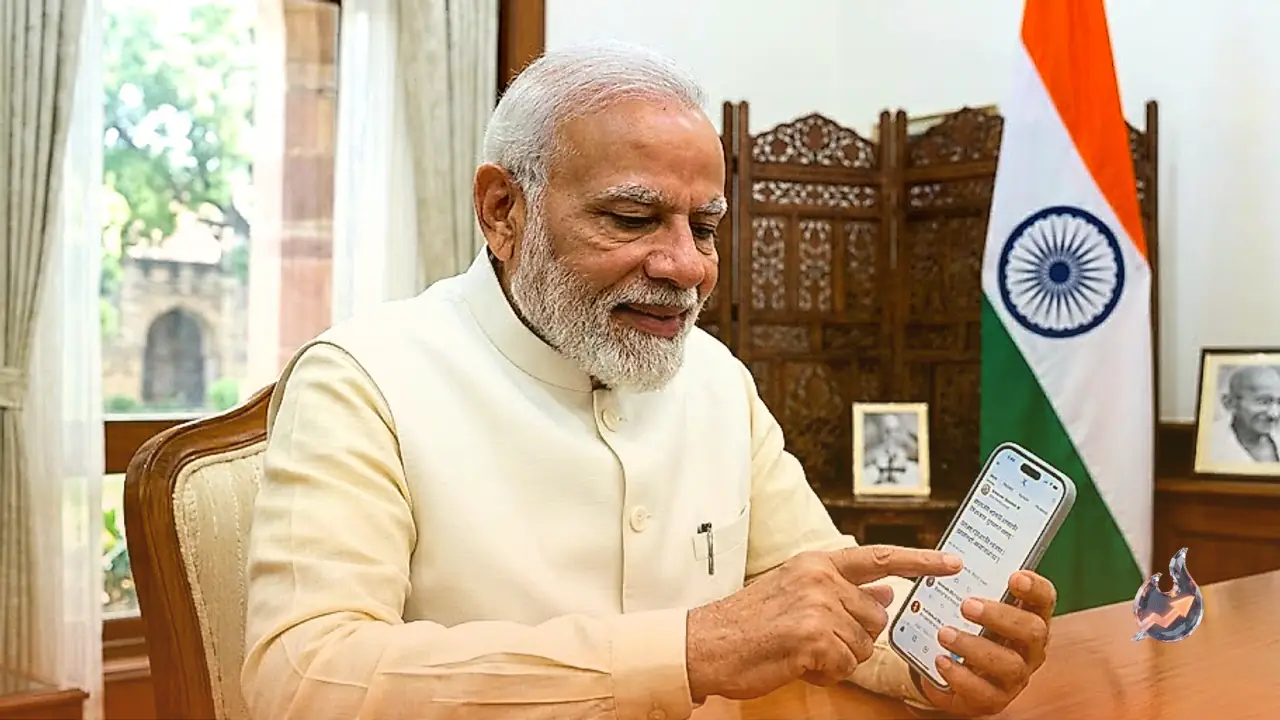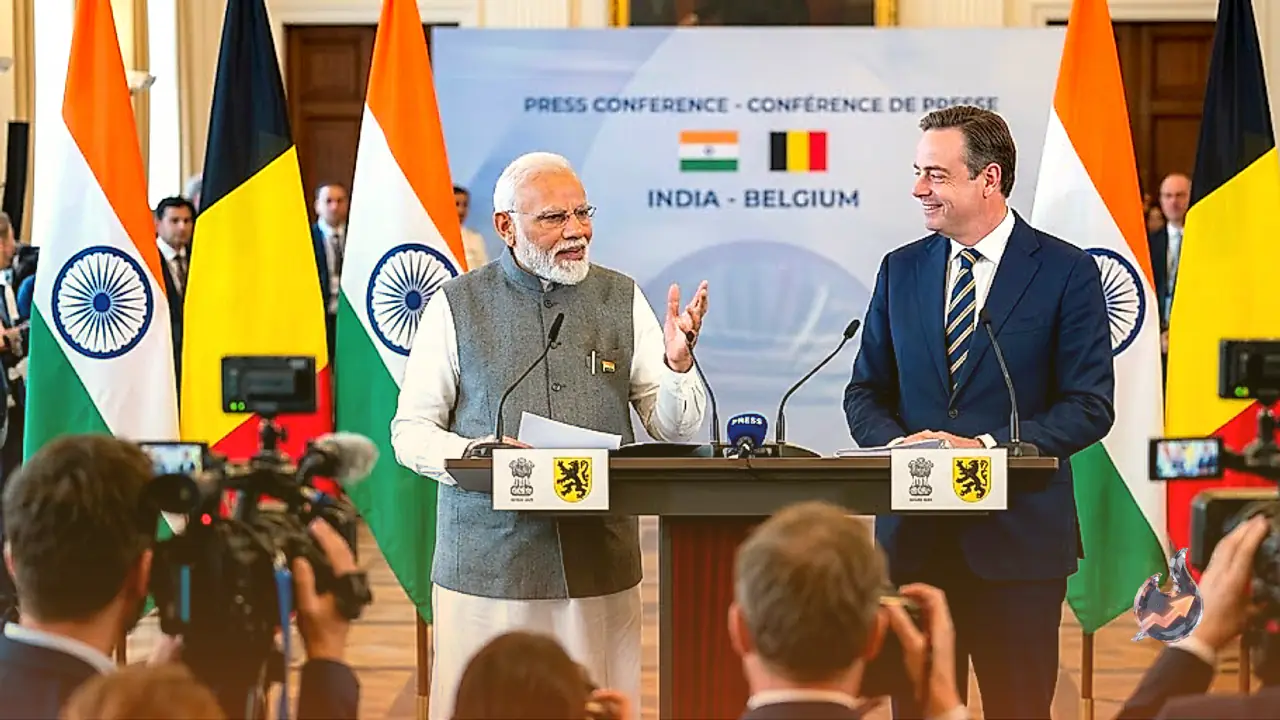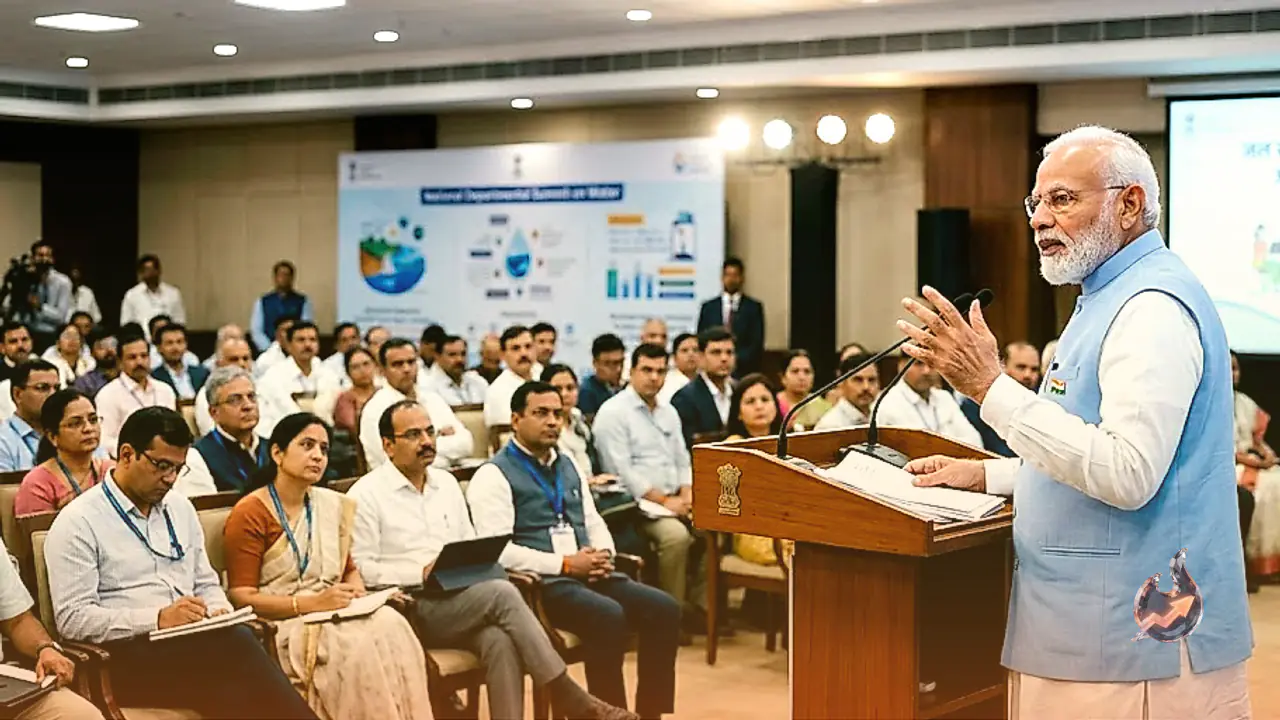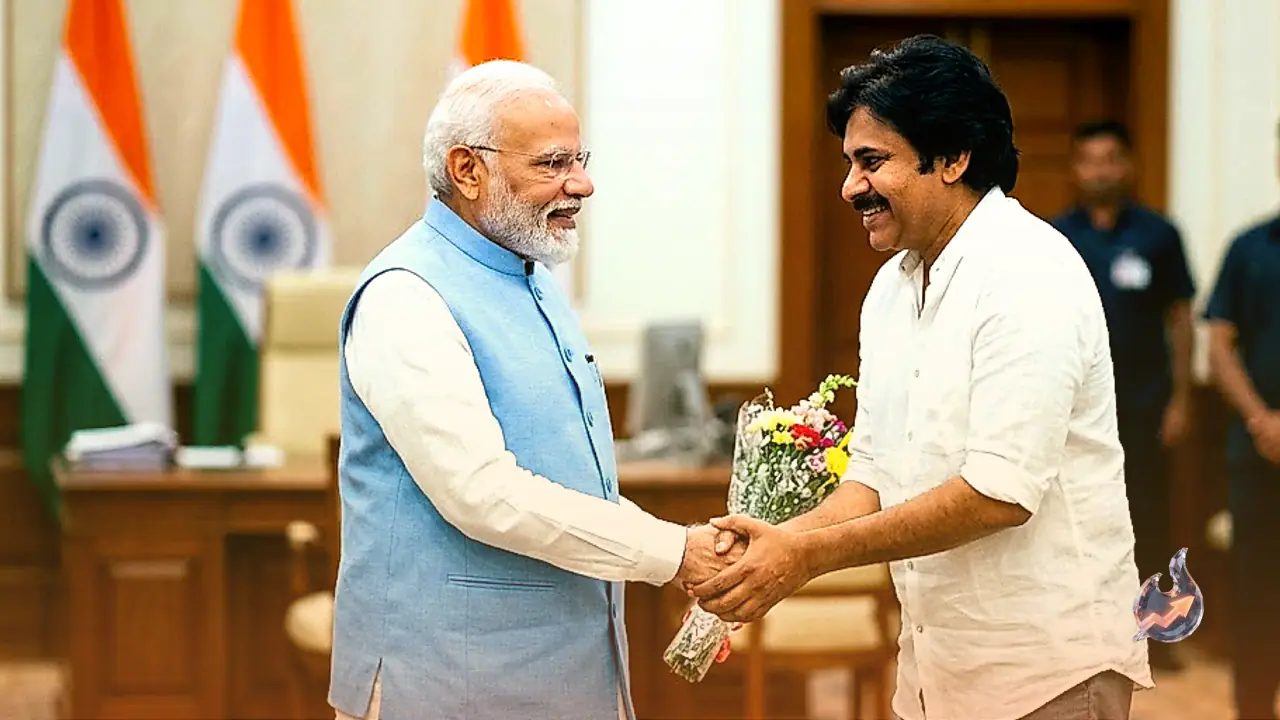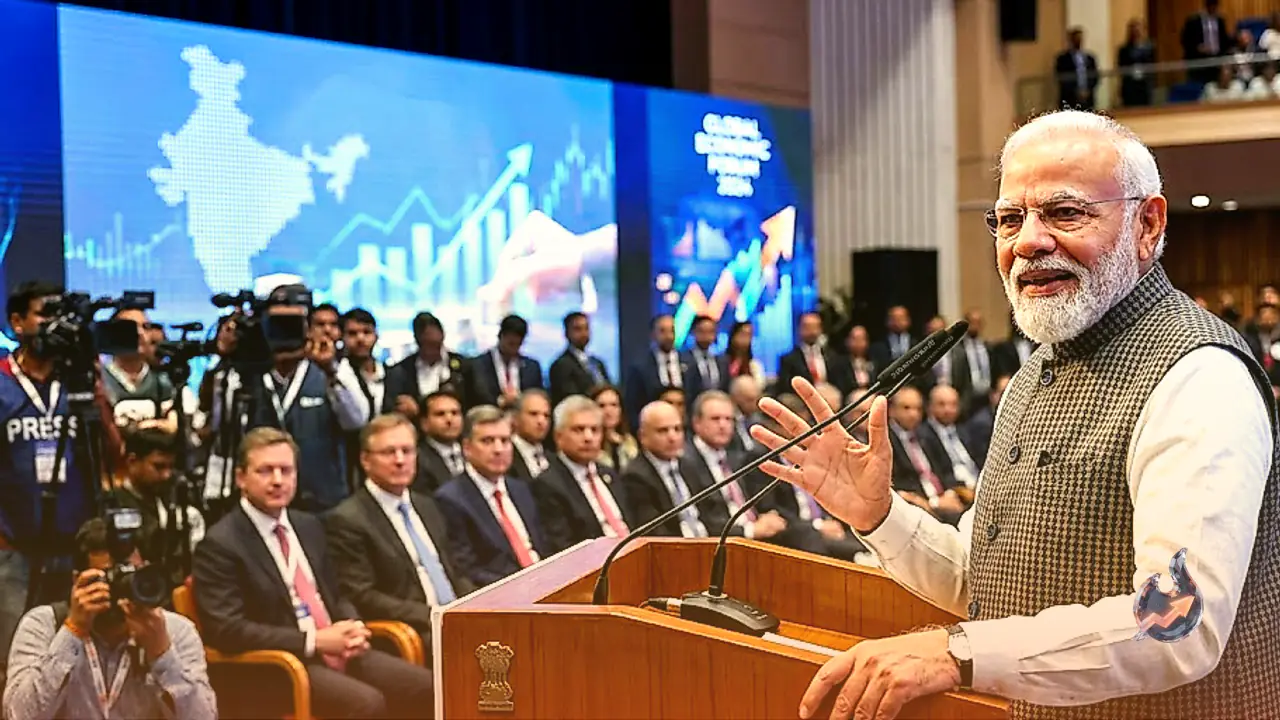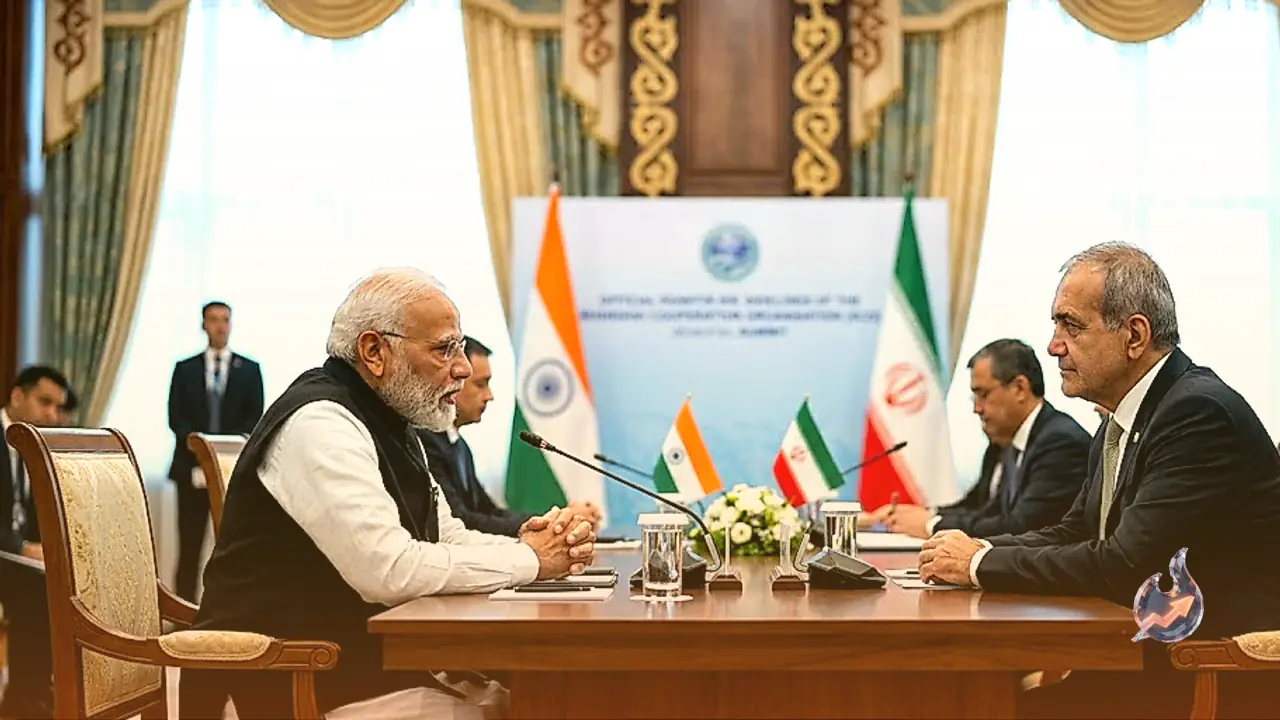


















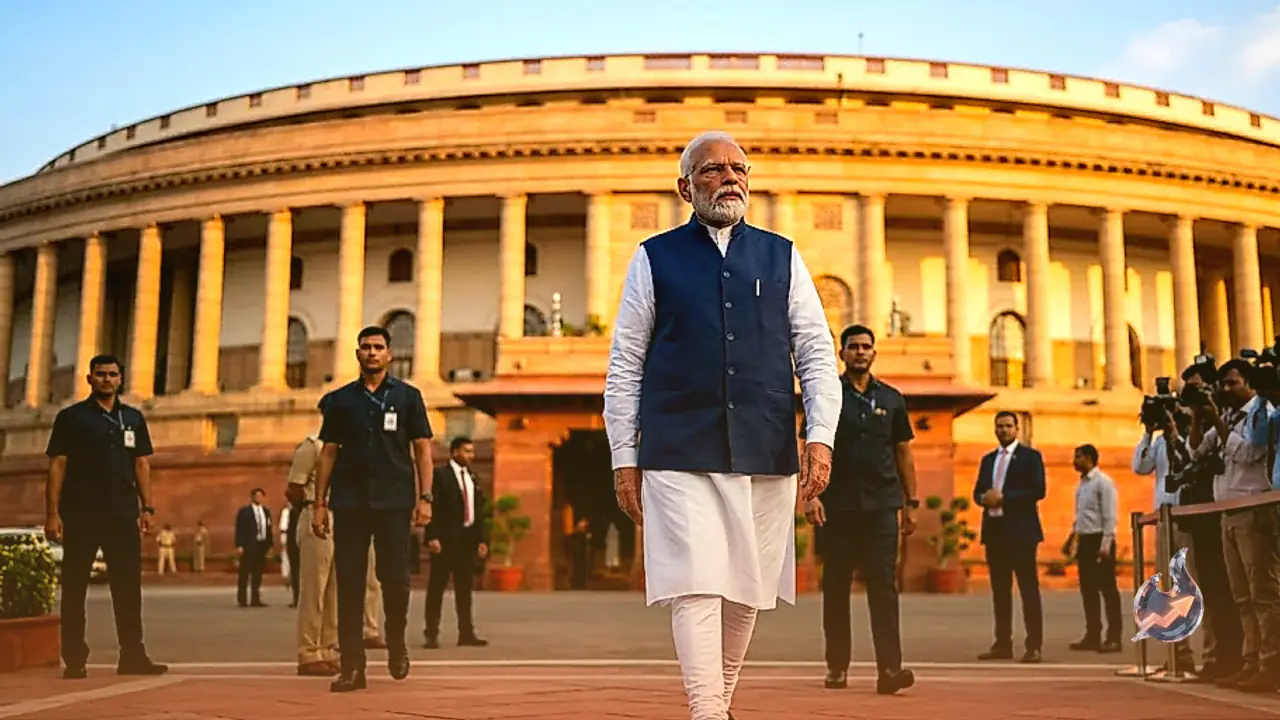

The highly anticipated Monsoon Session of Parliament has officially commenced, setting the stage for what promises to be a deeply consequential and potentially turbulent legislative period. Ahead of the proceedings today, Prime Minister Narendra Modi took to social media to call for meaningful parliamentary debates. He emphasized his hope that the upcoming weeks will witness highly productive discussions aimed at accelerating India's broader development trajectory. However, despite the Prime Minister's appeal for a constructive environment where all representatives can voice their perspectives, the government faces a daunting legislative agenda and a reinvigorated opposition bloc prepared to challenge them vigorously on multiple fronts.
Major Legislative Business and Delimitation Challenges
As lawmakers convene in the capital, the legislative docket appears heavily packed with critical items. According to recent parliamentary schedules, at least eight significant bills are slated for introduction or passage during this current session. Among the most closely watched and debated is the potential tabling of the Delimitation Bill. The government's ability to seamlessly secure the necessary parliamentary numbers for this particular legislation remains a subject of intense speculation. Nevertheless, some political analysts have noted that existing fault lines and ideological differences within the opposition ranks could ultimately work in the ruling party's favor when it comes to a floor test. The outcome of this specific debate is expected to have far-reaching implications for India's future electoral map and political representation.
Pending Deadlines and Structural Reforms
The current session is also shadowed by several major structural reforms that have been dominating the national political discourse for months. Notably, the Joint Parliamentary Committee tasked with examining the ambitious and controversial 'One Nation, One Election' proposal is reportedly facing significant hurdles and may ultimately miss its submission deadline for this monsoon session. Furthermore, senior political figures within the ruling party have indicated that discussions surrounding the practical implementation of the women's reservation policy are highly likely to resurface in the coming days, adding yet another layer of complexity to the already tight parliamentary schedule.
Public Frustration and Calls for Accountability
While political leaders maneuver inside the parliament building, the reaction from the general public paints a picture of mounting frustration. Following the Prime Minister's online appeal for a productive session, the immediate response on social media platforms was overwhelmingly critical. Citizens bypassed the legislative agenda to demand immediate accountability on everyday crises, primarily focusing on chronic youth unemployment and the recent string of catastrophic exam paper leaks. Furthermore, prominent voices questioned the administration's handling of civil society leaders, specifically highlighting the recent treatment of Sonam Wangchuk and demanding high-level ministerial resignations. Rather than endorsing the government's overarching development narrative, a massive volume of responses explicitly rejected the prospect of further political speeches, instead demanding concrete answers and immediate action on the ground.