






















In Gonda district of Uttar Pradesh, a plant called Nag Champa is once again in the spotlight, and not only for how it looks. Known as much for its striking flowers as for the health properties associated with it, this plant carries a heady, floral fragrance that has captivated people for generations. Ayurveda has long relied on its flowers, leaves and bark as part of traditional remedies passed down over the years. Even so, experts are quick to add a note of caution: no medicinal plant, however well regarded, should be used without proper expert guidance.
What a local Ayurvedic practitioner says about Nag Champa
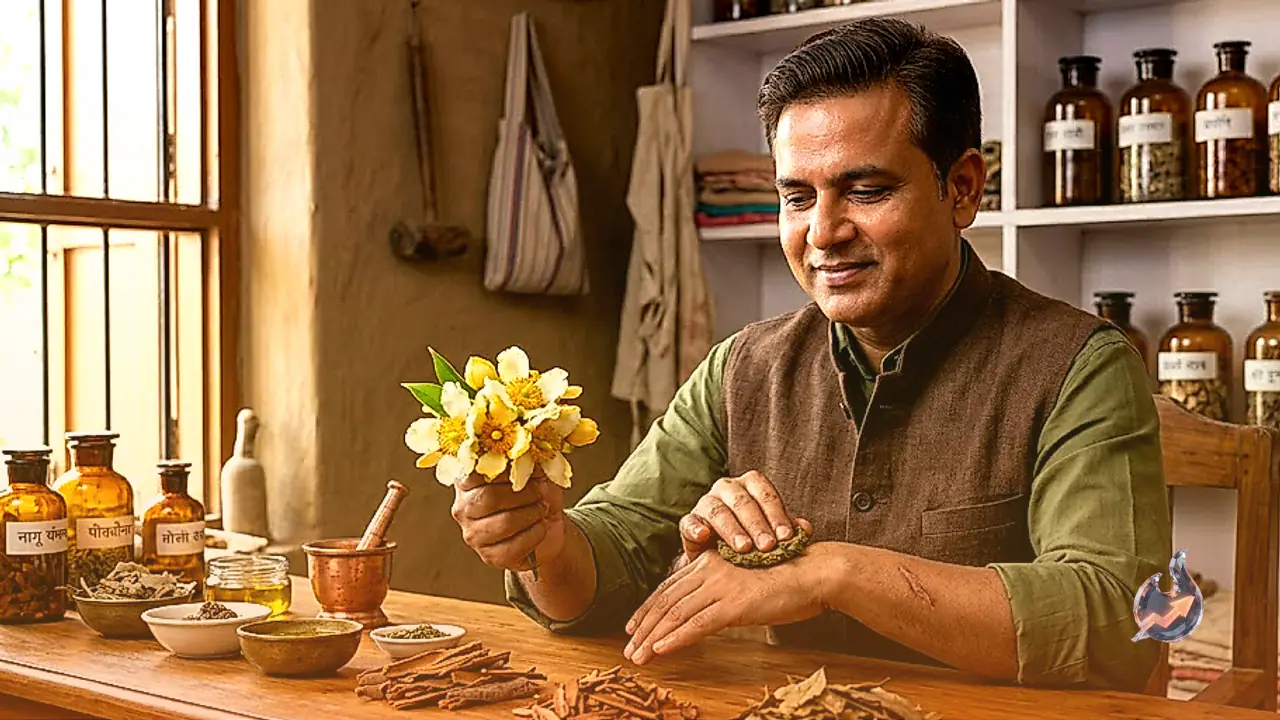
Vishnu Dutt Prajapati, a well-known vaidya in Gonda, says nature has packed the Nag Champa plant with a remarkable range of properties. "This plant can help with several problems, but its use should depend on a person's own condition," he said. According to him, nearly every part of the plant, from its flowers down to its roots, has some place in traditional treatment methods that have been practised for a long time.
Bark that has long been used on wounds and injuries
Prajapati explains that the bark of Nag Champa has been applied to minor wounds and injuries for decades, long before modern dressings became common. Ayurveda counts the tree among plants believed to keep the skin healthy and support recovery from small cuts. That said, it is important to understand this is not a substitute for modern medical treatment, and any serious injury still needs a doctor's attention rather than a home remedy.
Possible relief from swelling and body pain
The leaves of Nag Champa are believed to contain natural compounds that may help bring down swelling. Traditional remedies have long used it to ease mild inflammation and general body pain, especially in households that rely on home-grown herbal options. However, scientific research backing these claims remains limited for now, so it is best treated as a traditional practice passed through generations rather than a clinically proven cure.
A helping hand for skin care too
Nag Champa often finds its way into Ayurvedic pastes and herbal products sold for skin care. It is believed that its properties can help keep skin clean and ease common skin issues that people often try to manage at home. Still, applying any paste to the face or body should only be done after consulting an expert, since not every skin type reacts the same way to herbal ingredients.
The fragrance that is said to calm the mind
The plant's biggest calling card remains the heady fragrance of its flowers. That scent is widely used in making incense sticks, perfumes and in aroma therapy sessions. Many people report that the fragrance helps ease mental stress and brings a sense of calm after a long day, although the effect can naturally vary from person to person.
How to grow and care for the plant at home
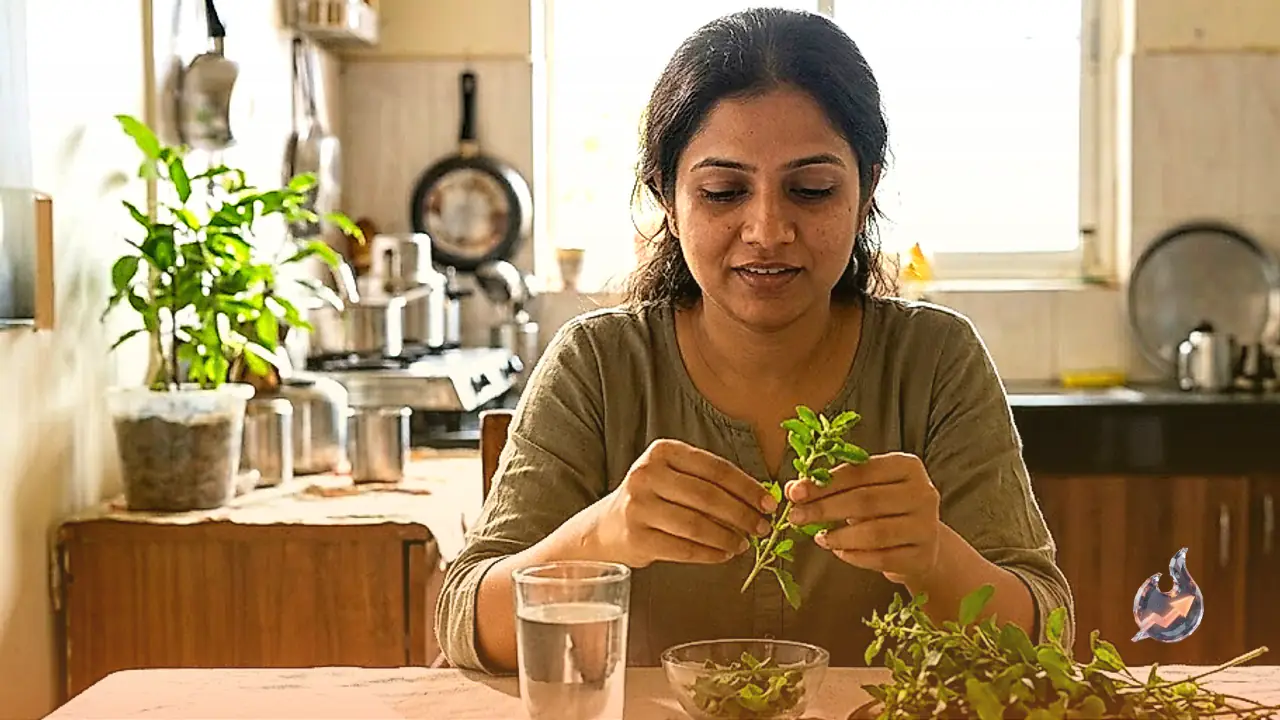
Nag Champa grows best in warm, humid conditions and does not need harsh, direct sunlight to flourish, mild sunlight suits it well. The soil it is planted in should drain easily rather than holding on to excess water. Gardeners who water it regularly and add organic fertiliser from time to time tend to see healthier plants that go on to produce a larger number of flowers.
Do not self-medicate, experts stress
Prajapati is clear that even though Nag Champa is a medicinal plant, treating it as a substitute for proper medicine can be risky. He advises that pregnant women, young children and people battling serious illnesses should always consult an Ayurveda expert or a doctor before consuming or using it in any form. Its real benefits, he says, only come through with the right knowledge and the right dosage, not through guesswork at home.