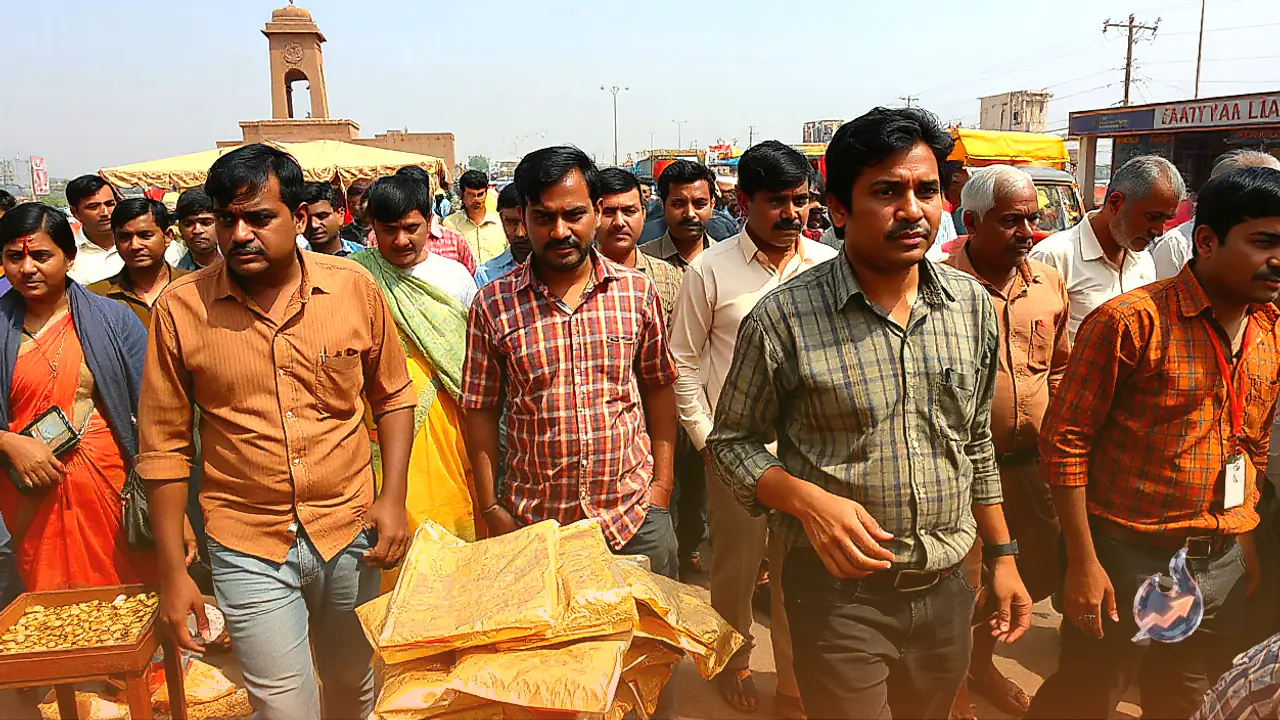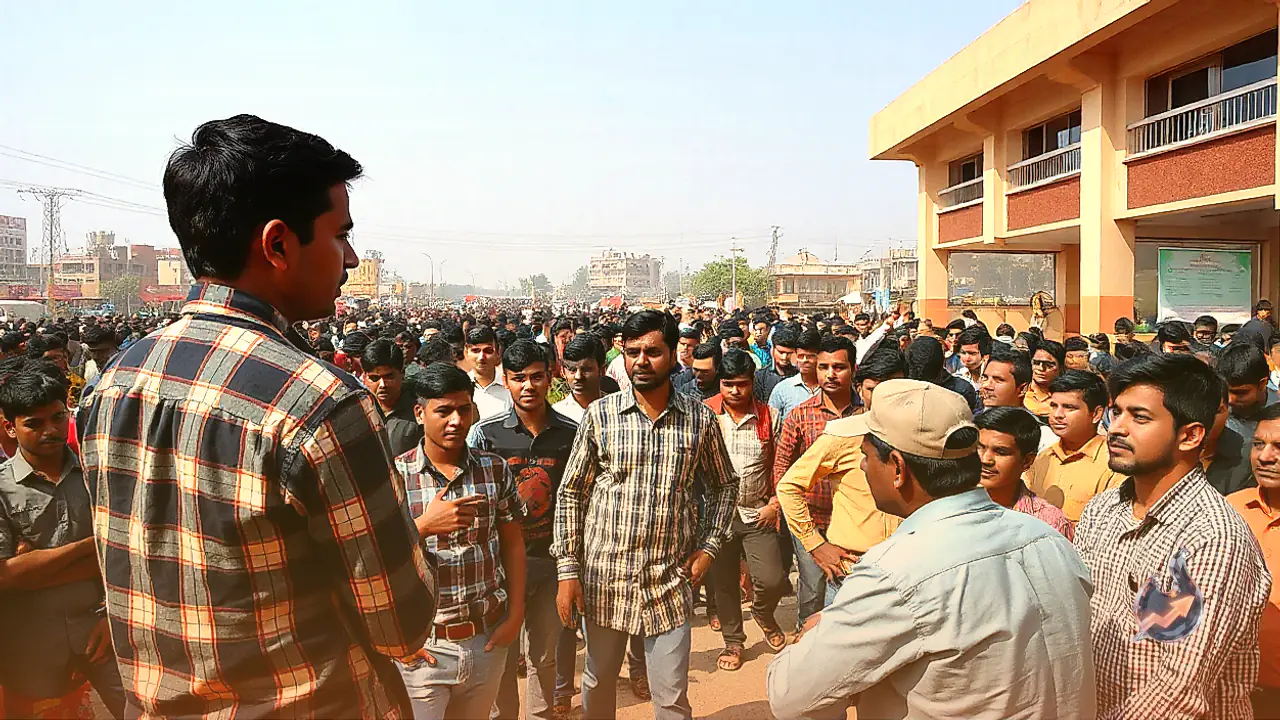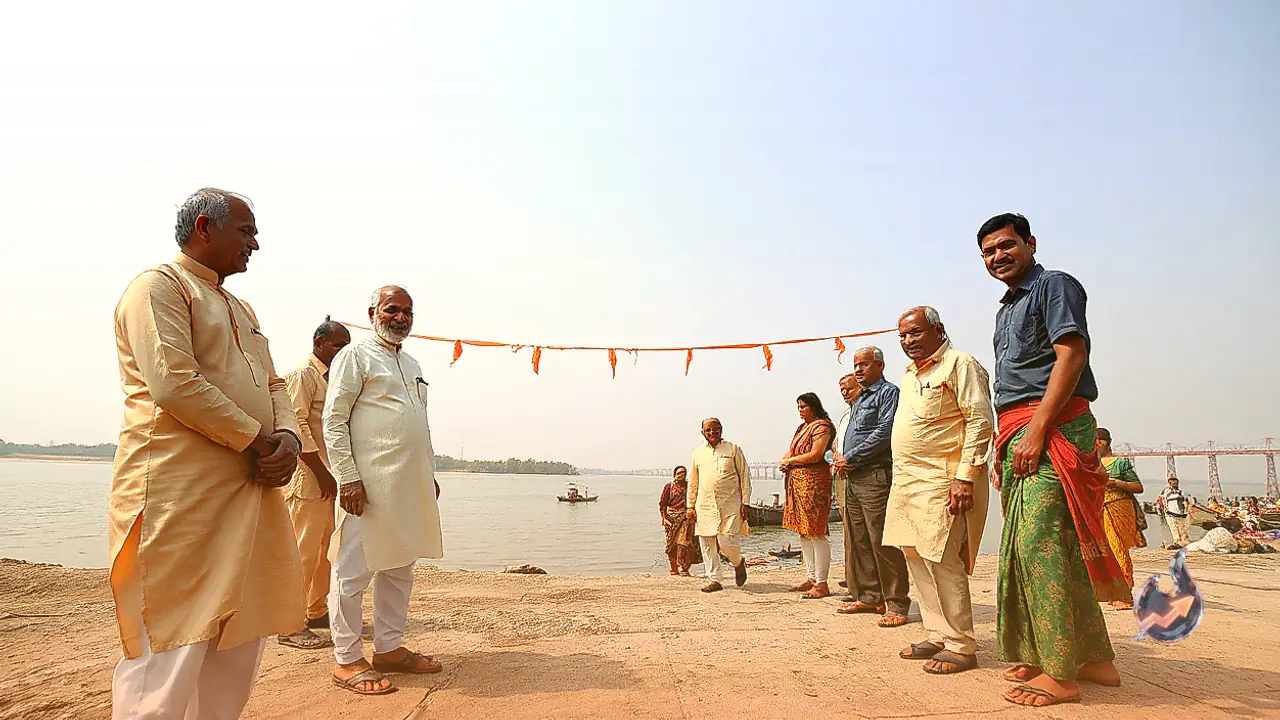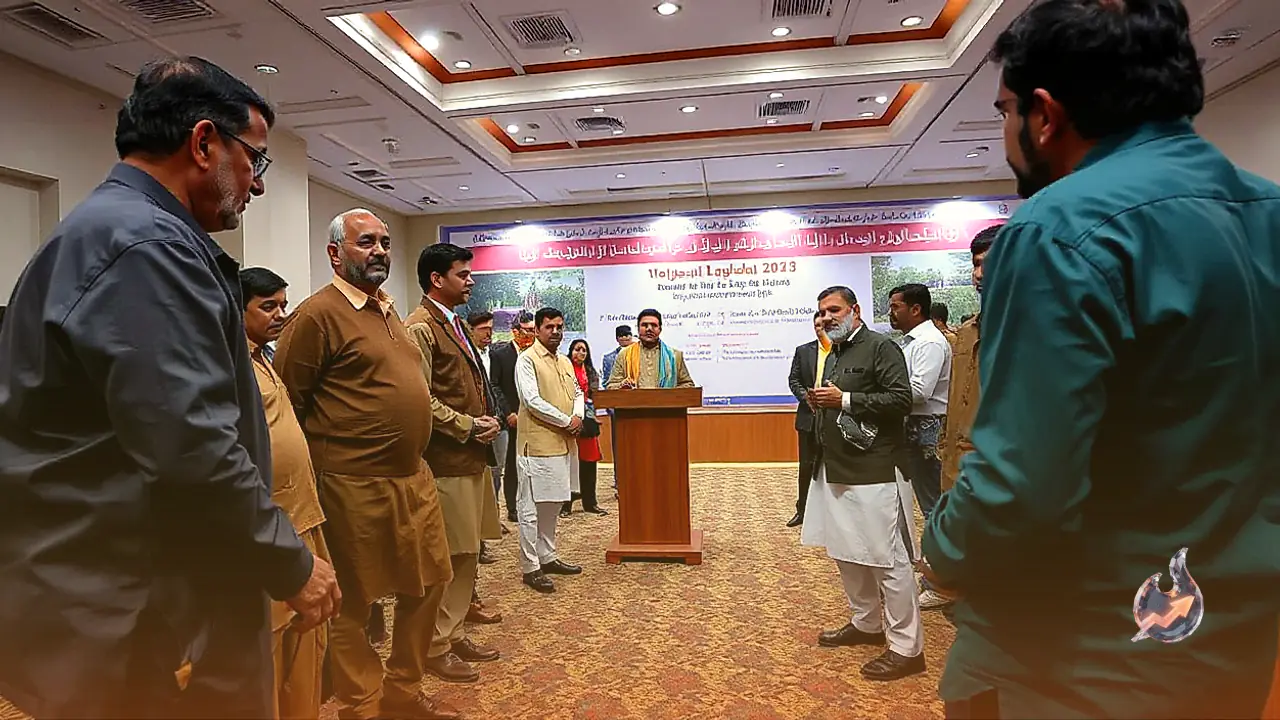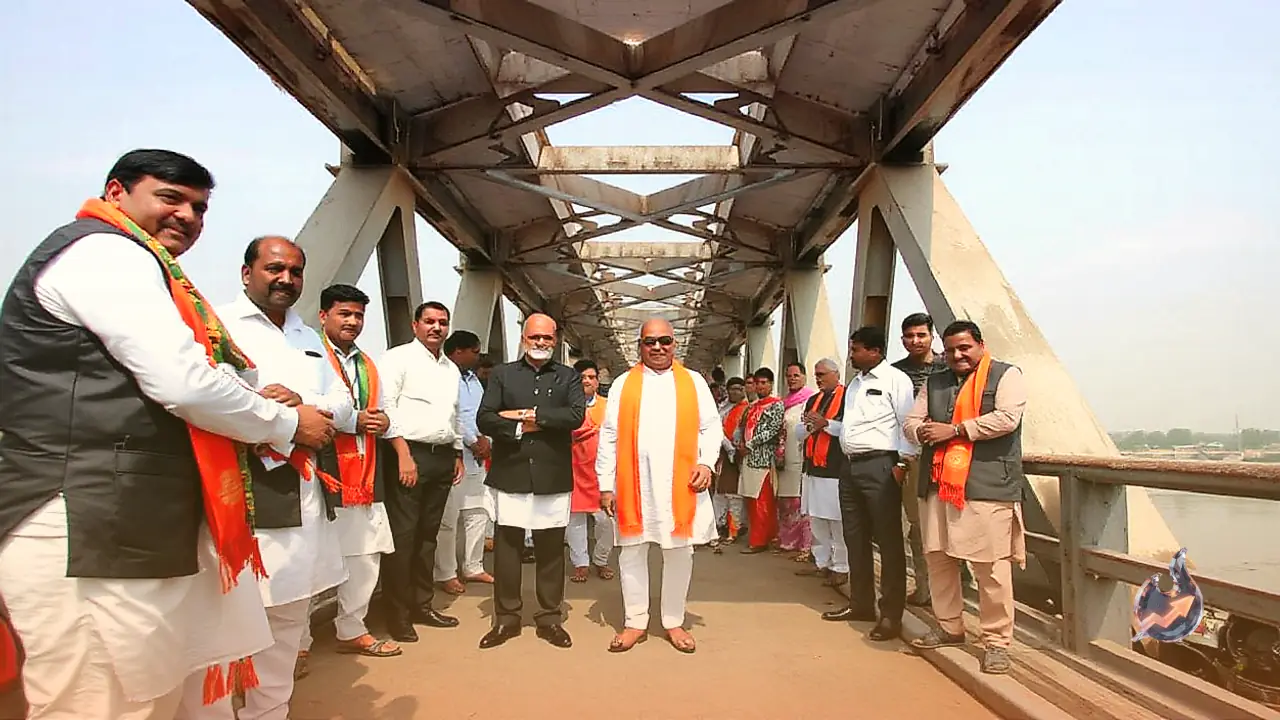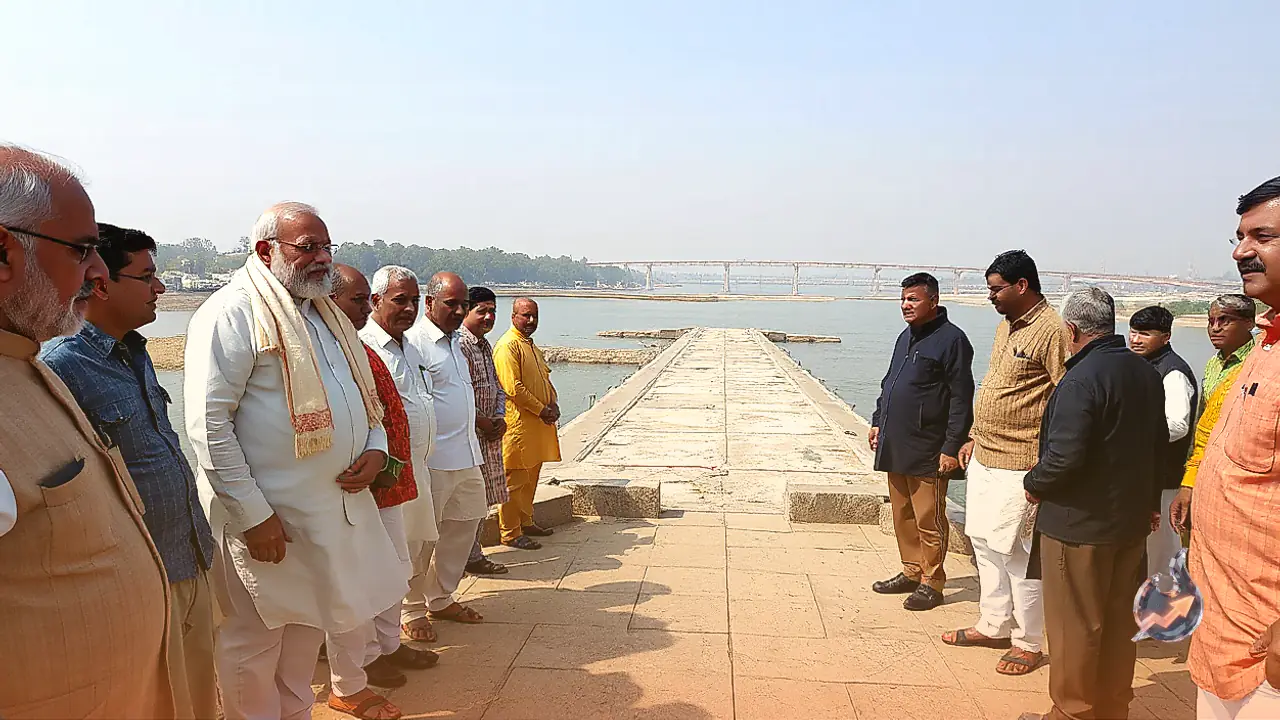

Giving a massive boost to regional infrastructure, Prime Minister Narendra Modi has inaugurated the grand Nitish Setu built across the Ganga River. The completion of this ambitious connectivity project aims to bridge the long-standing physical gap between north and south Bihar, transforming daily commutes and transport logistics for millions. By streamlining transit routes, the bridge significantly reduces travel time and eliminates bottlenecks that previously hindered smooth movement across the region. Prime Minister Narendra Modi formally shared details about the launch through his official post on X (view post here), describing the structure as an exceptional engineering addition to the state.
Significance for Regional Development
The opening of the bridge marks a critical milestone in driving economic growth and modernizing public works across Bihar. Improved connectivity directly translates to better trade opportunities, faster commercial transport, and enhanced accessibility for residents living on both sides of the river. Infrastructure investments of this scale are designed to stimulate local commerce, encourage investments, and create sustainable employment avenues by integrating remote areas into the mainstream economy.
About Ganga River
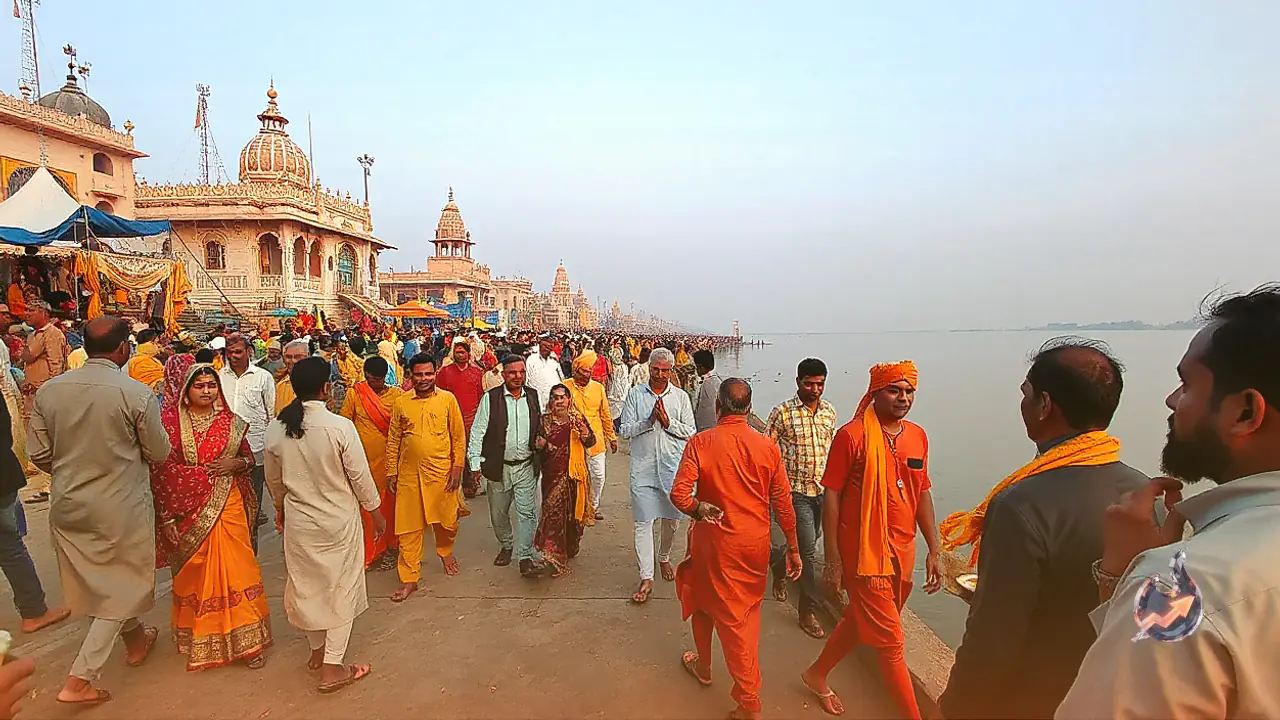
The Ganga River stands as India's most significant and culturally revered waterway, originating from the Gomukh snout of the Gangotri Glacier in the Himalayas. Flowing across a total distance of 2,526 kilometers through India and Bangladesh before emptying into the Bay of Bengal at the Sundarbans, it sustains a massive fertile basin. Beyond its ecological and economic importance, the river forms the bedrock of the nation's historical heritage and communal life.
Political Dynamics and Credit Debates
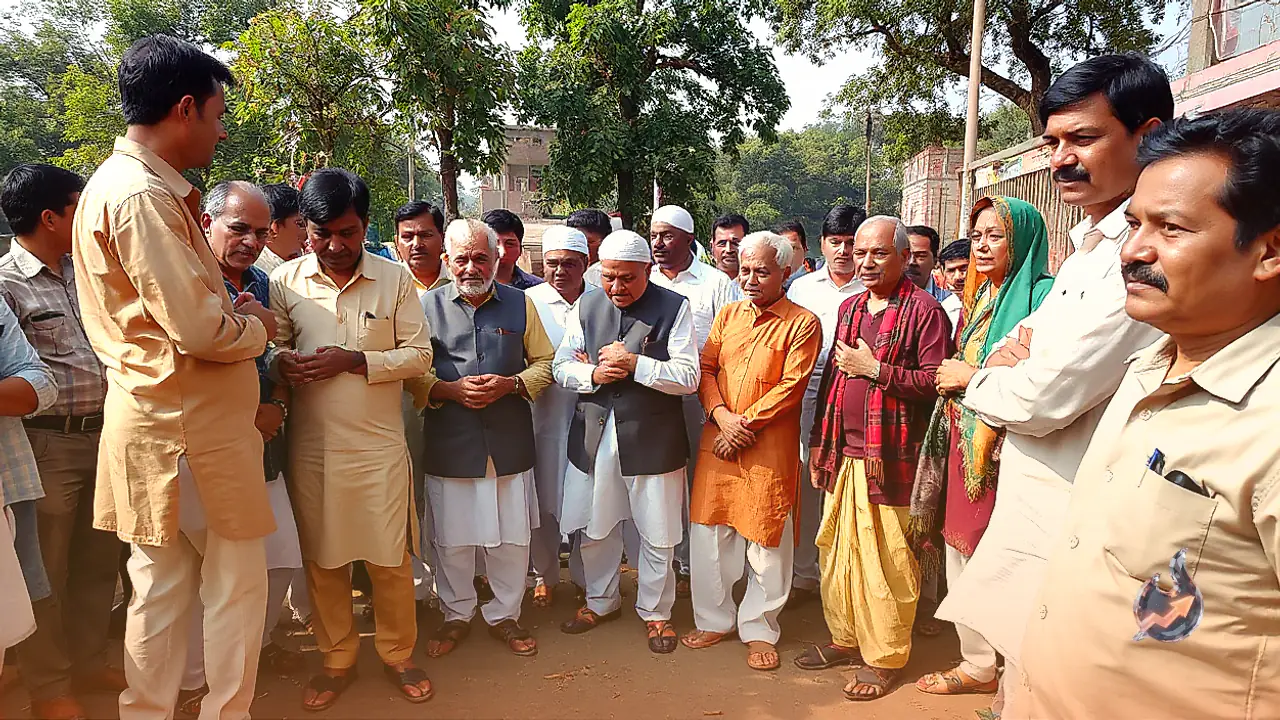
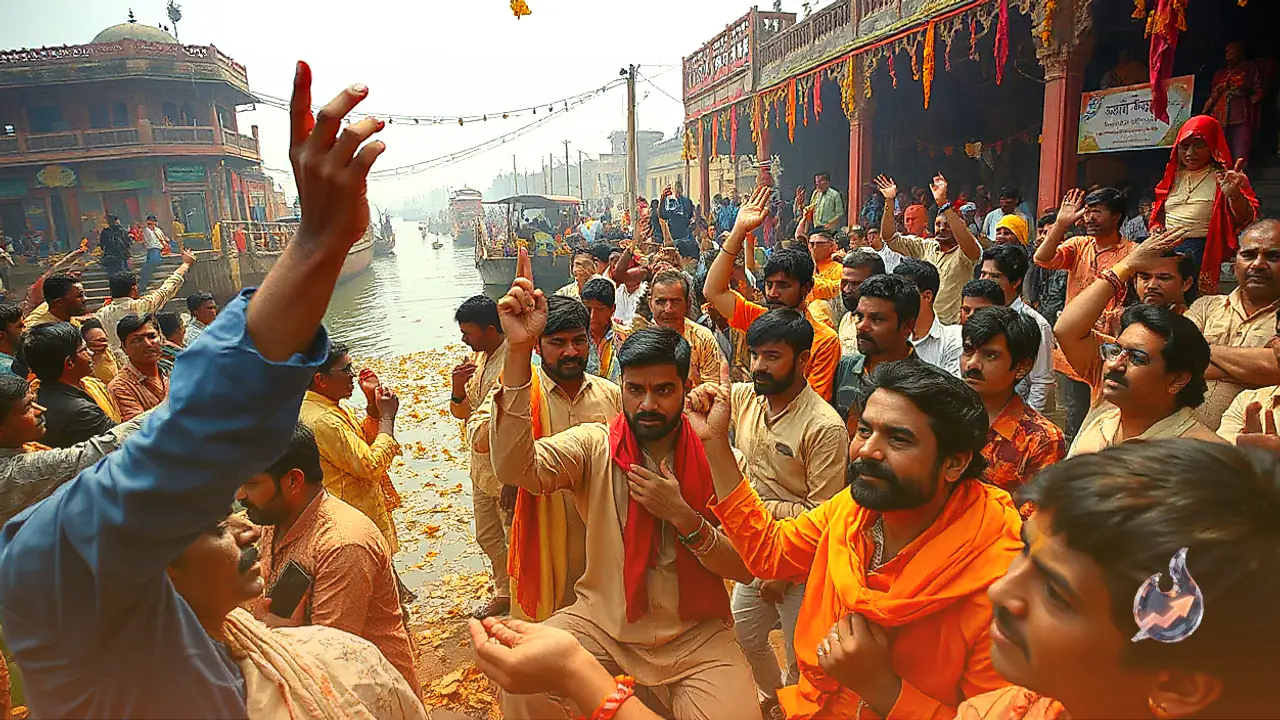
The high-profile inauguration arrived amid intense political friction within the state. Various political factions, including the opposition RJD, raised sharp administrative and ownership questions regarding the project, sparking a heated war of words over who deserves credit for the completion of the bridge. Banners, posters, and counter-claims from rival camps turned the grand public event into a focal point of intense regional political maneuvering.
Public reaction to the inauguration was diverse, with citizens welcoming the much-needed travel upgrade while actively debating the surrounding political credit claims and local development priorities.