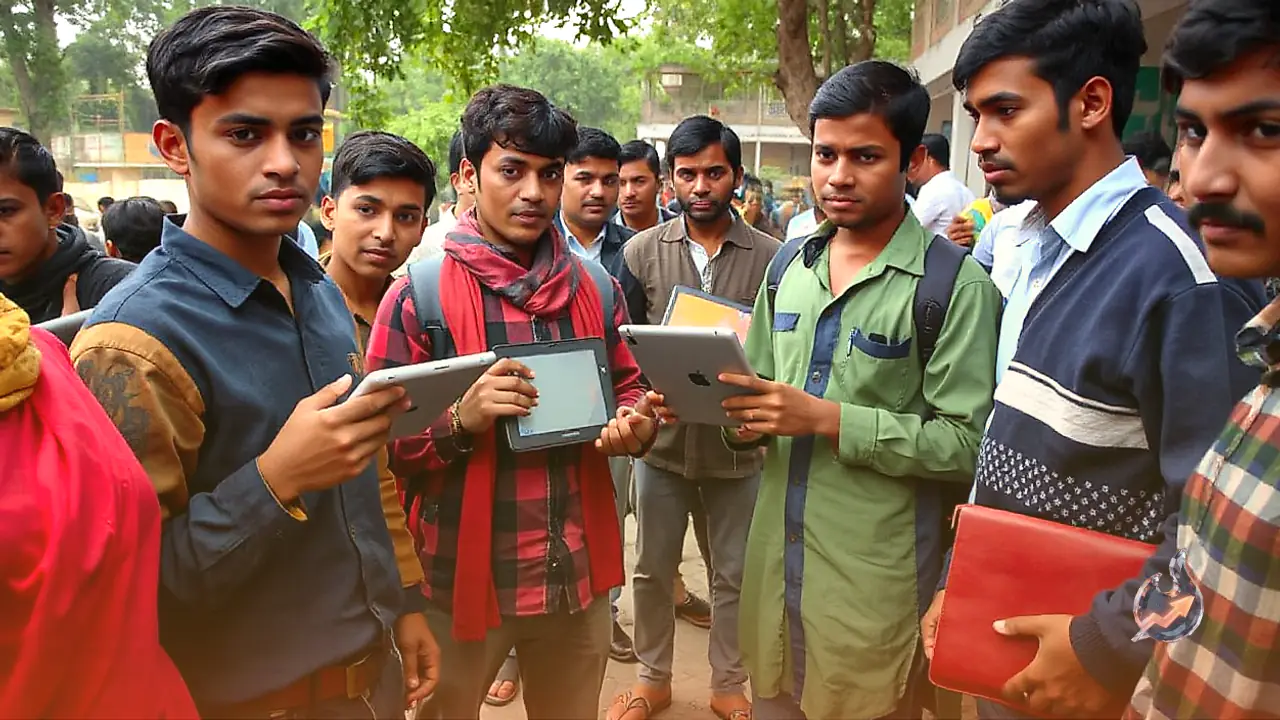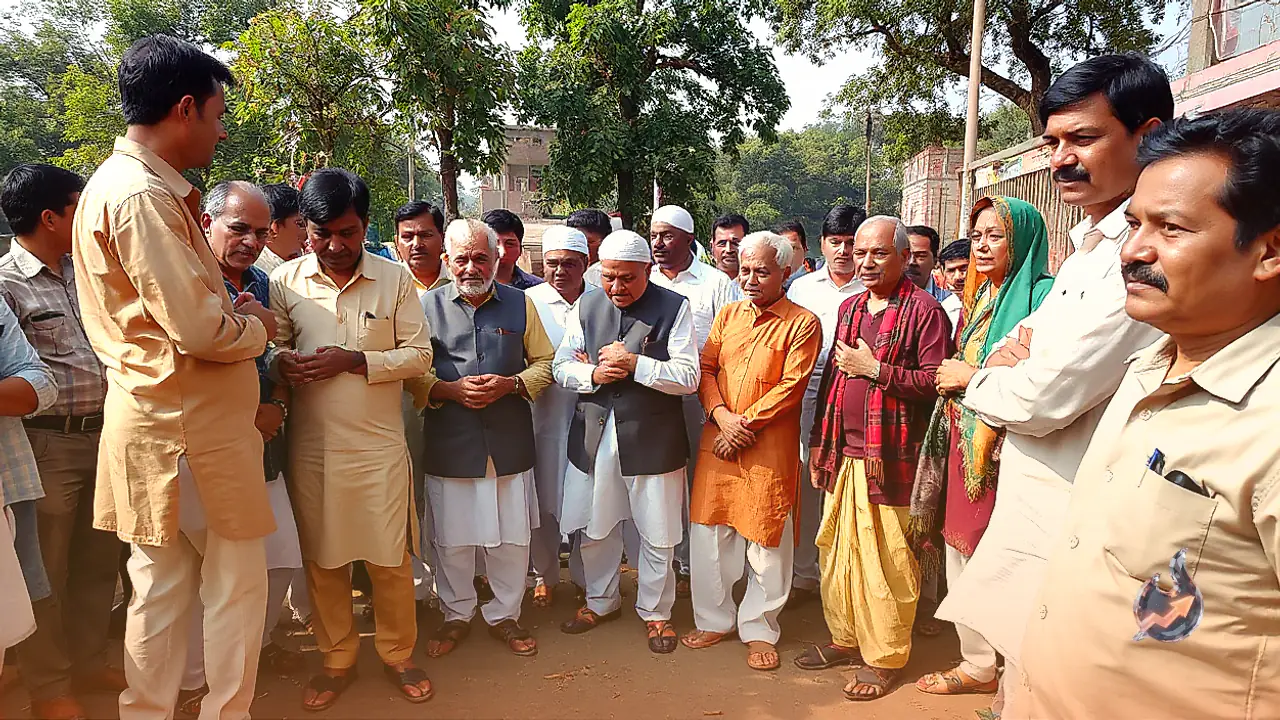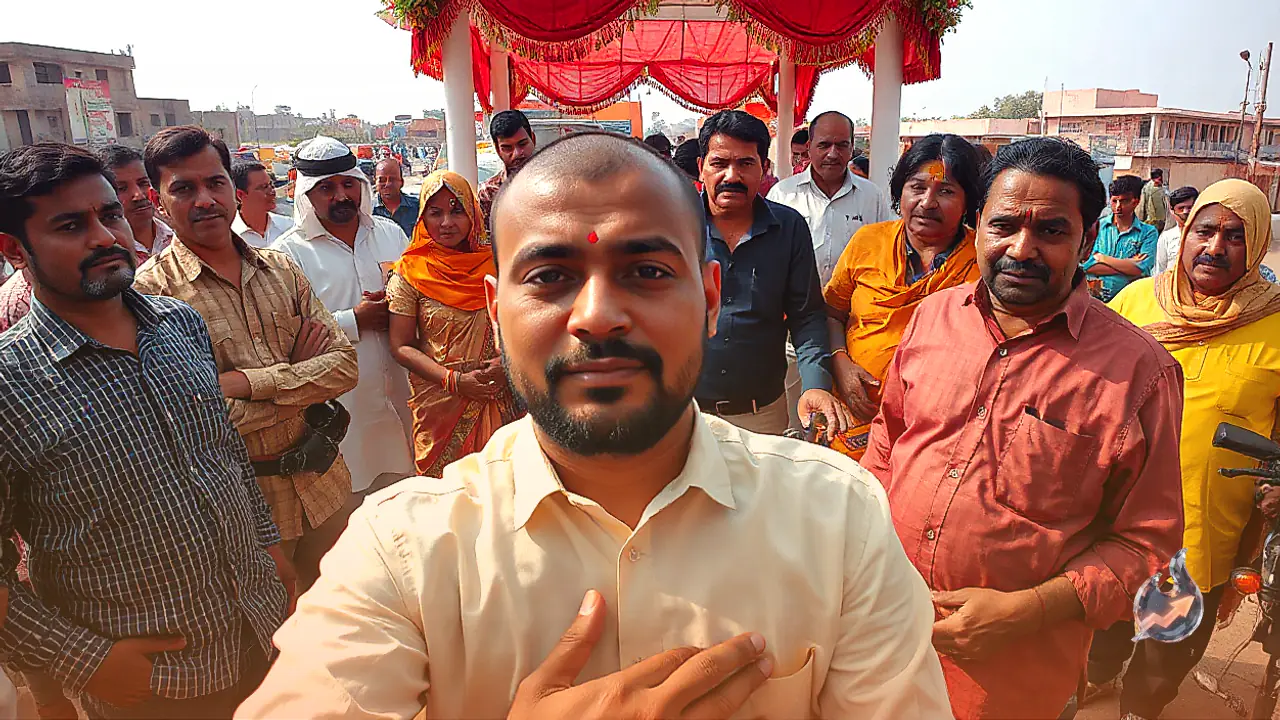

Prime Minister Narendra Modi addressed the Kaushal Deekshant Samaroh in Lucknow, noting that while the audience had already expressed their joy through applause, he still had several key thoughts to share with the gathered students. As a Member of Parliament representing Uttar Pradesh, he expressed immense pride and described it as a privilege to welcome young achievers who arrived from all across the nation. He emphasized that these students have successfully crossed a major milestone in their lives and are now stepping directly into the nation-building process, making the occasion deeply significant.
Reflections on History and Traditional Craftsmanship
Reflecting on the nation's history, the Prime Minister stated that when foreign invaders first arrived, the country was passing through a golden age and stood as a global center of attraction and envy. Upon reaching India, these invaders systematically targeted and struck at the heart of local craftsmanship and traditional skills. Later, the British arrived with a more sophisticated approach, and Macaulay imposed an educational framework upon the populace that reduced a robust, skill-based society into one designed primarily to produce paper-pushing clerks.
Challenging Social Stigmas Surrounding Manual Labor
The Prime Minister pointed out that the British deliberately suppressed indigenous skills to further their own industrial interests. He addressed a prevailing societal mindset where parents often hesitate to tell relatives if their child enrolls in an Industrial Training Institute (ITI), feeling a sense of embarrassment because the student wears blue-collar work attire and labors with their hands rather than attending a traditional university. Describing this societal complex as a manufactured condition, he reaffirmed his firm resolve to transform this perception completely.
Equating the Potential of IIT and ITI Students
Sharing details of his schedule, the Prime Minister mentioned that he started his day in Delhi, traveled to West Bengal, and attended an event at an Indian Institute of Technology (IIT). He highlighted that the energy, dreams, aspirations, and hopes he witnessed among IIT students matched the exact same enthusiasm and zeal he found among the ITI students in Lucknow. Whether an institution is an IIT or an ITI, he regards them equally as the true wealth, underlying capacity, and ultimate future of the country.