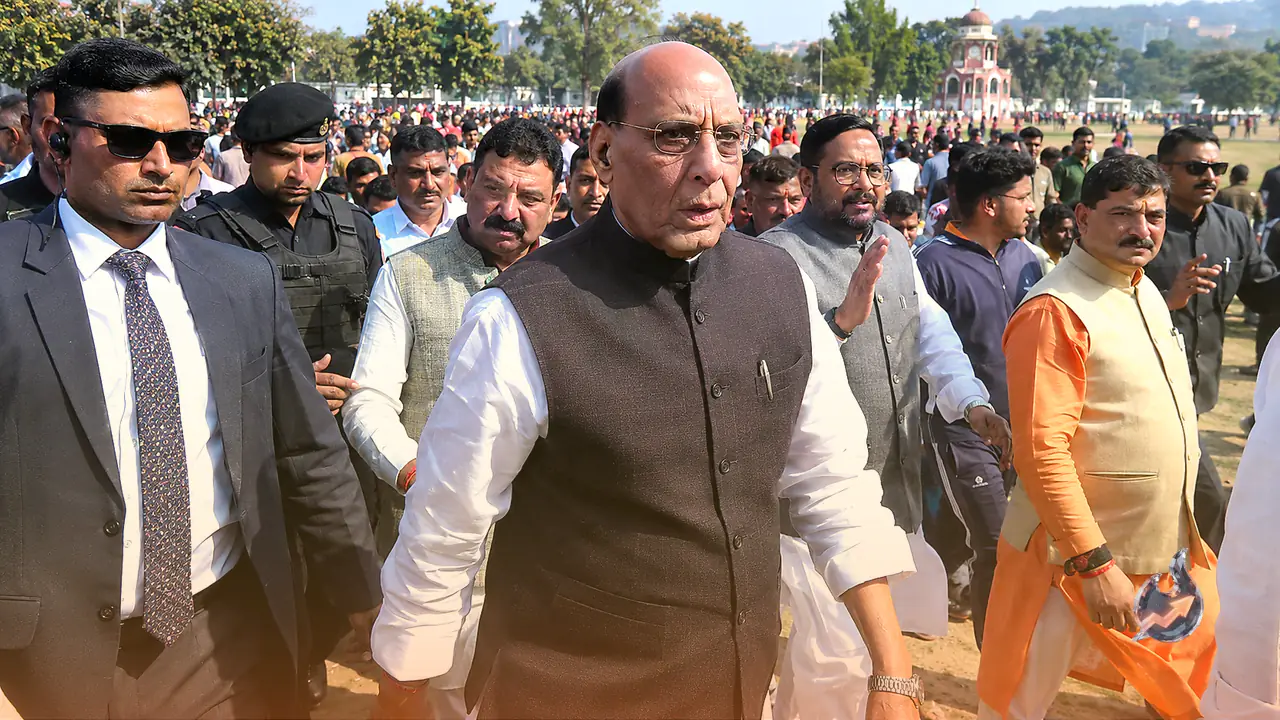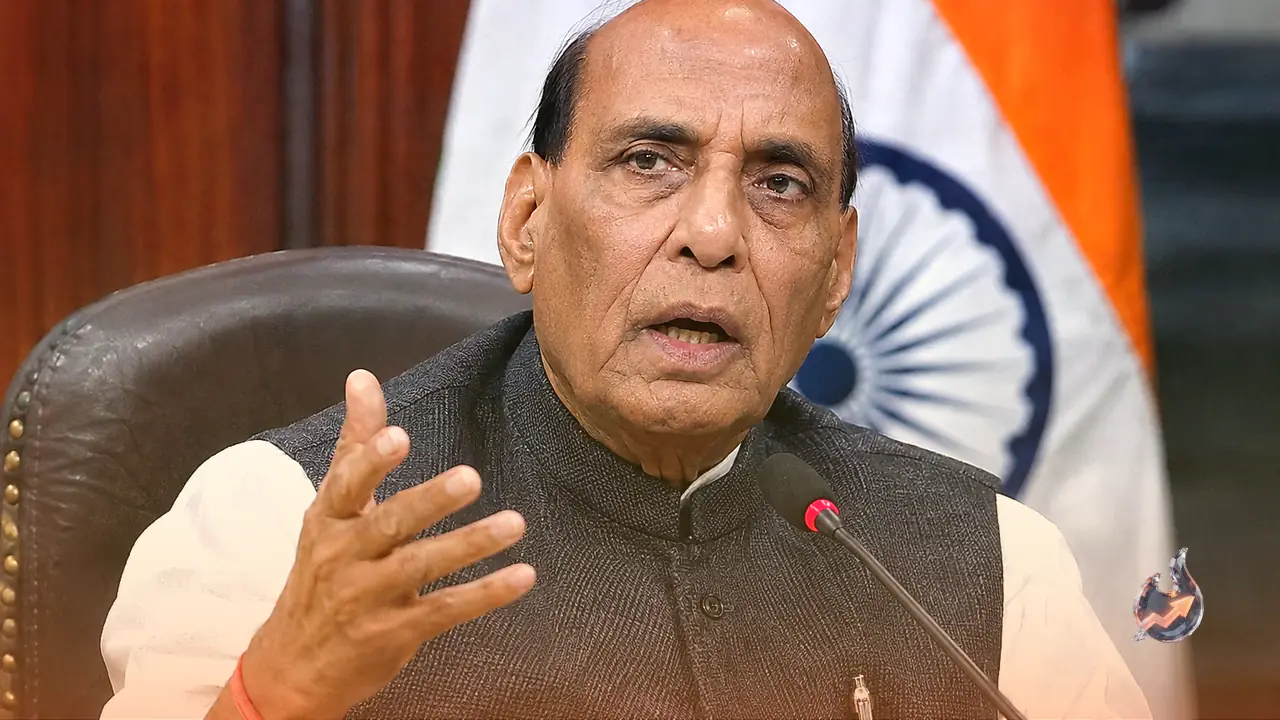

The Union Cabinet has approved the 132nd Constitution Amendment Bill, a decision Rajnath Singh described as a significant move toward a more inclusive Indian democracy. He said the measure could broaden public representation and bring governance closer to people.
Singh shared the message on X, referring to Prime Minister Narendra Modi’s leadership and calling the Cabinet’s decision historic. His post did not set out the bill’s provisions, a timetable for implementation, or any numerical change it would make to representation.
Why the approval matters
Cabinet approval is an important step in the decision making process for a constitutional amendment bill. Singh linked this approval to expanding representation and enabling wider participation in democracy. The post, however, did not explain what further steps the bill must go through or specify how governance would change if it takes effect.
The message therefore focuses on the stated aims of the decision: making democracy more inclusive and bringing government closer to the public. A fuller assessment of the bill’s effects will depend on its provisions and the details of the process ahead.
What the Union Cabinet does
India’s Union Cabinet is a small executive body made up of senior ministers and led by the Prime Minister. It exercises executive authority and is the country’s highest decision making body. The Cabinet Secretariat provides administrative support to the Council of Ministers.
Public reaction
Some social media users welcomed the decision as a step related to women’s reservation, while others questioned its purpose and raised concerns about delimitation. Another response called for the government to advance a bill on One Nation One Election as well.