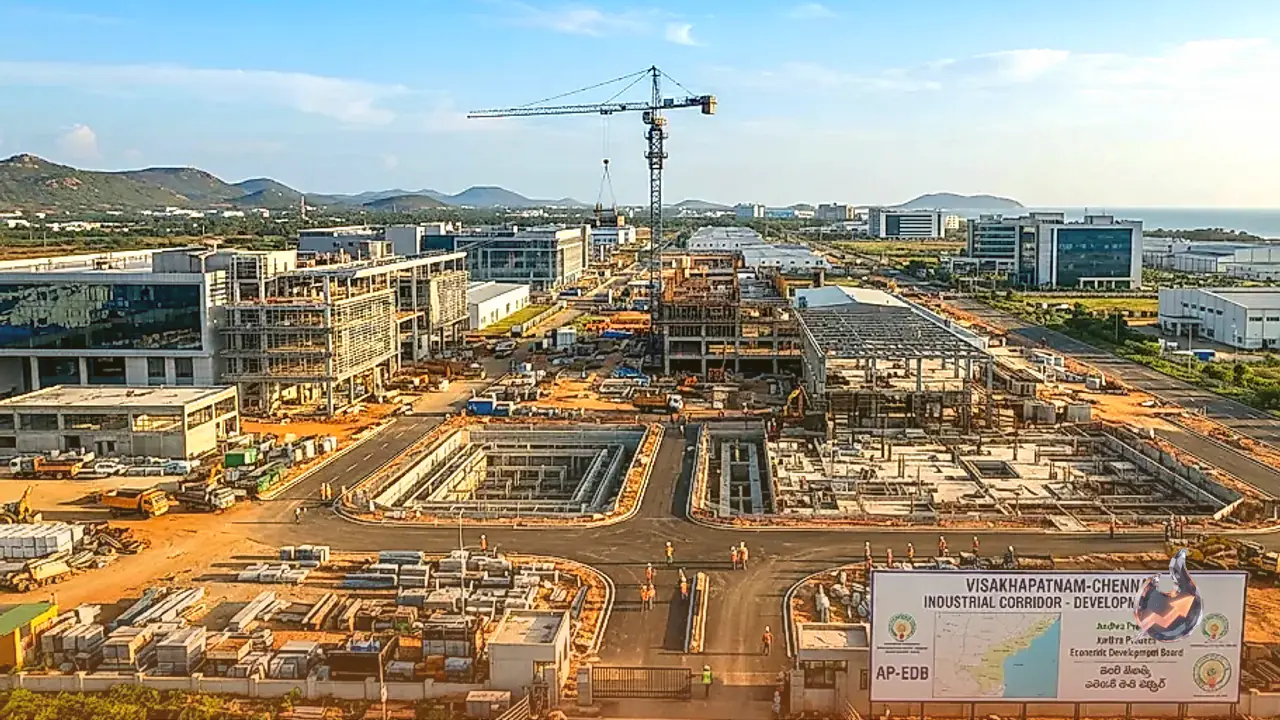























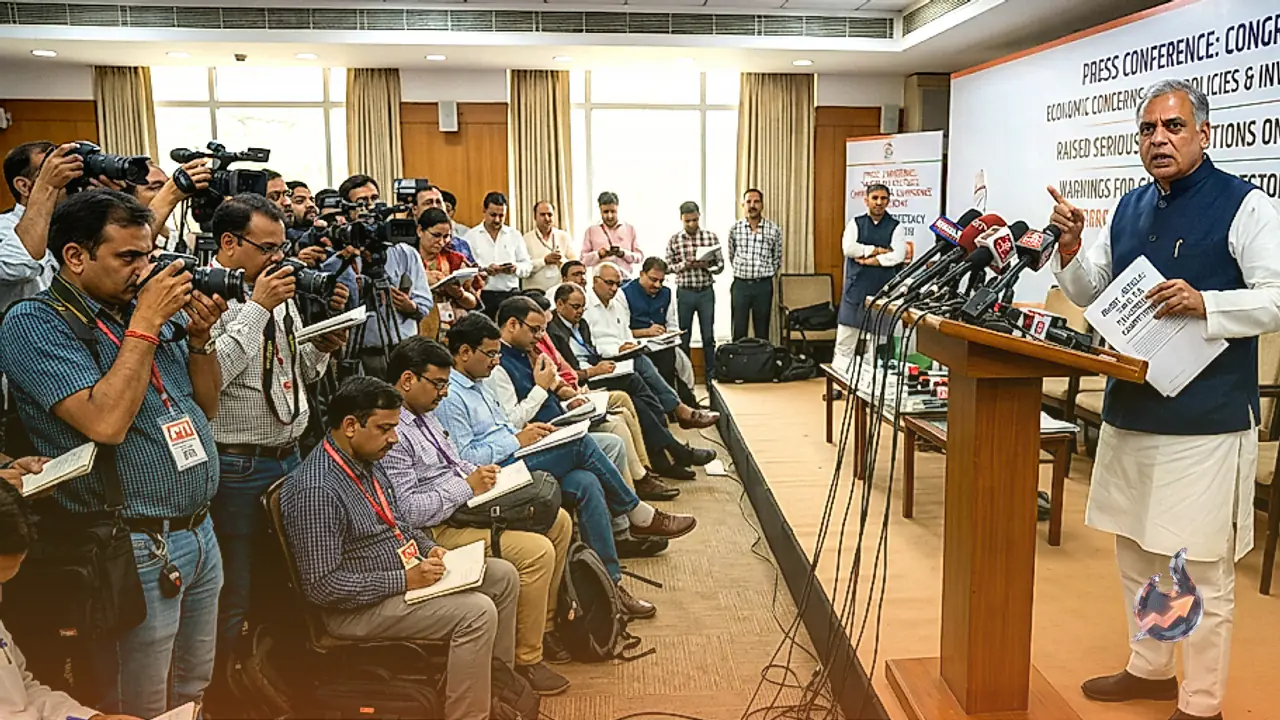

Senior political figure Shashi Tharoor recently sparked a sharp debate regarding the country's taxation framework through his public commentary. Taking to the social media platform X, he highlighted his latest published article and directly questioned whether India's prevailing financial regulations possess the consistency, predictability, and competitiveness that global investors actively seek. Following the publication of this piece, economic and political circles have engaged in intense discussions over whether the current domestic tax ecosystem is adequately equipped to foster a welcoming environment for international capital.
Tax Policy Consistency and Global Investor Sentiments
Tharoor detailed several troubling areas concerning taxation within his article, pointing out specific instances where the government needs to conduct a comprehensive policy review. He argued that establishing a stable and predictable tax regime is paramount if the nation wishes to successfully draw foreign capital inflows. As long as fiscal laws remain prone to sudden shifts, investors hesitant to shoulder long-term risks will naturally explore alternative global markets. Inconsistent or costly policy decisions fundamentally erode investor confidence, which cannot simply be mended through optimism alone.
Foreign Capital Mobility and Market Realities
In the contemporary global economic landscape, capital remains highly mobile, and investors possess a multitude of alternative destinations for their funds. If tax administrations or departmental procedures maintain an overly rigid or non-citizen-oriented approach, it can severely disincentivize investment. Historical precedents, such as past retrospective amendments, had previously generated considerable uproar among international observers who viewed India as a primary destination. Market participants emphasize that once trust is shaken, concrete legislative predictability is essential to restore the faith of those looking to deploy capital.
Administrative Approach and Domestic Wealth Concerns
Amidst this ongoing debate, widespread public and observer reactions highlighted broader concerns regarding the operational methods of tax authorities. Many stakeholders expressed that a combination of stringent administrative procedures and complex tax laws acts as a significant deterrent to investment. While the country requires massive capital infusion to sustain its growth trajectory, cumbersome mechanisms pose persistent hurdles. Furthermore, discussions emerged regarding domestic millionaires reportedly relocating or choosing to invest abroad, underlining a broader sentiment that the local financial climate requires concerted refinement to retain native wealth and attract foreign stakeholders alike.
Public Reaction
Following these observations, citizens and commentators engaged in diverse discussions online, with some backing the call for structural tax reforms while others debated the broader economic data and comparative investment trends.