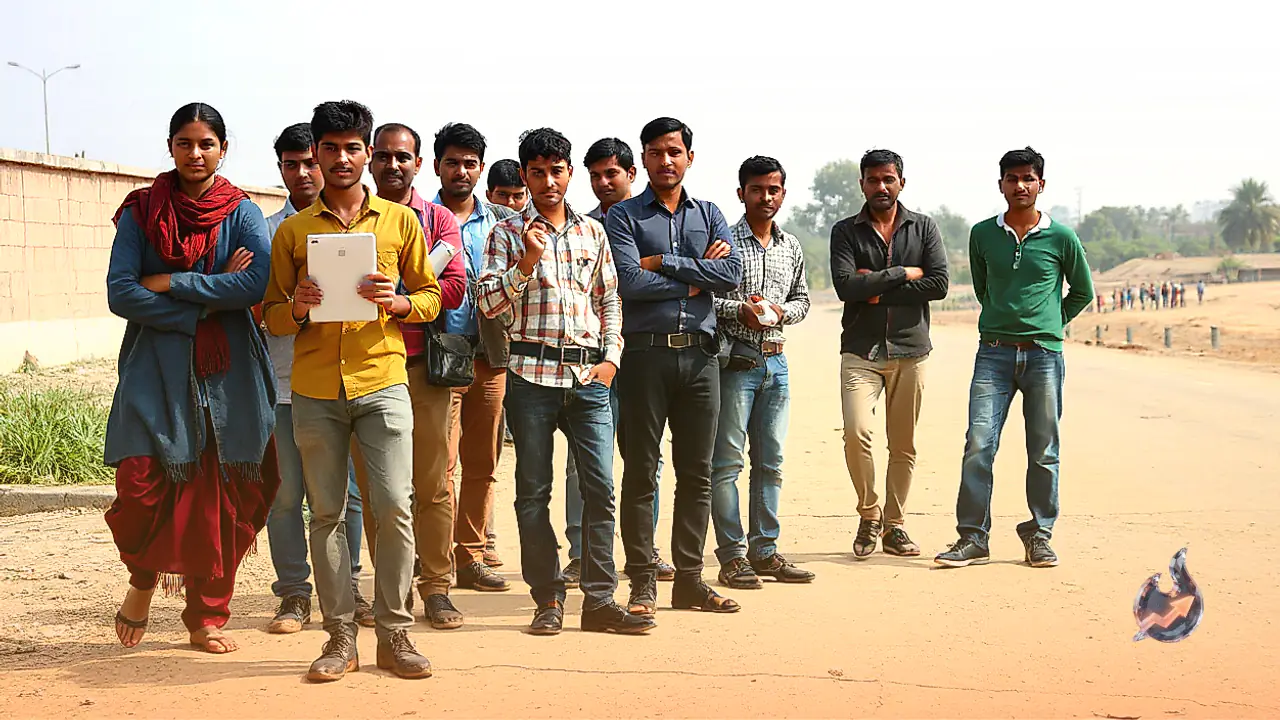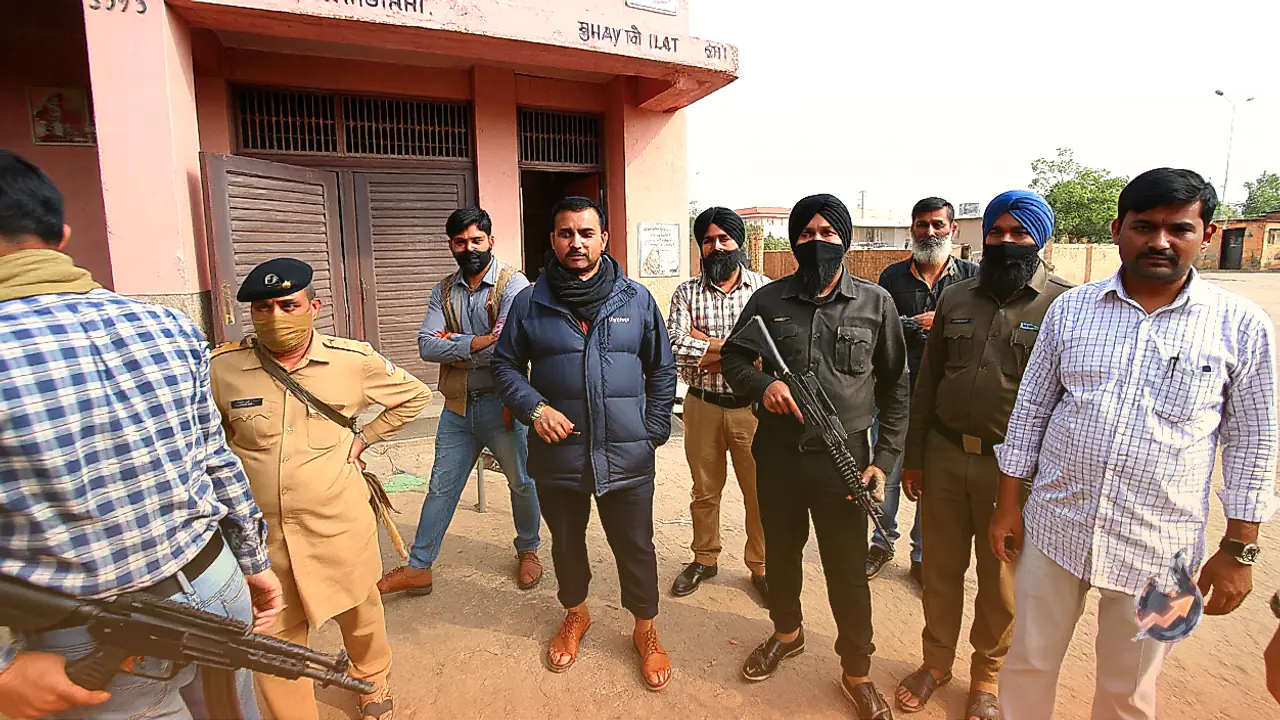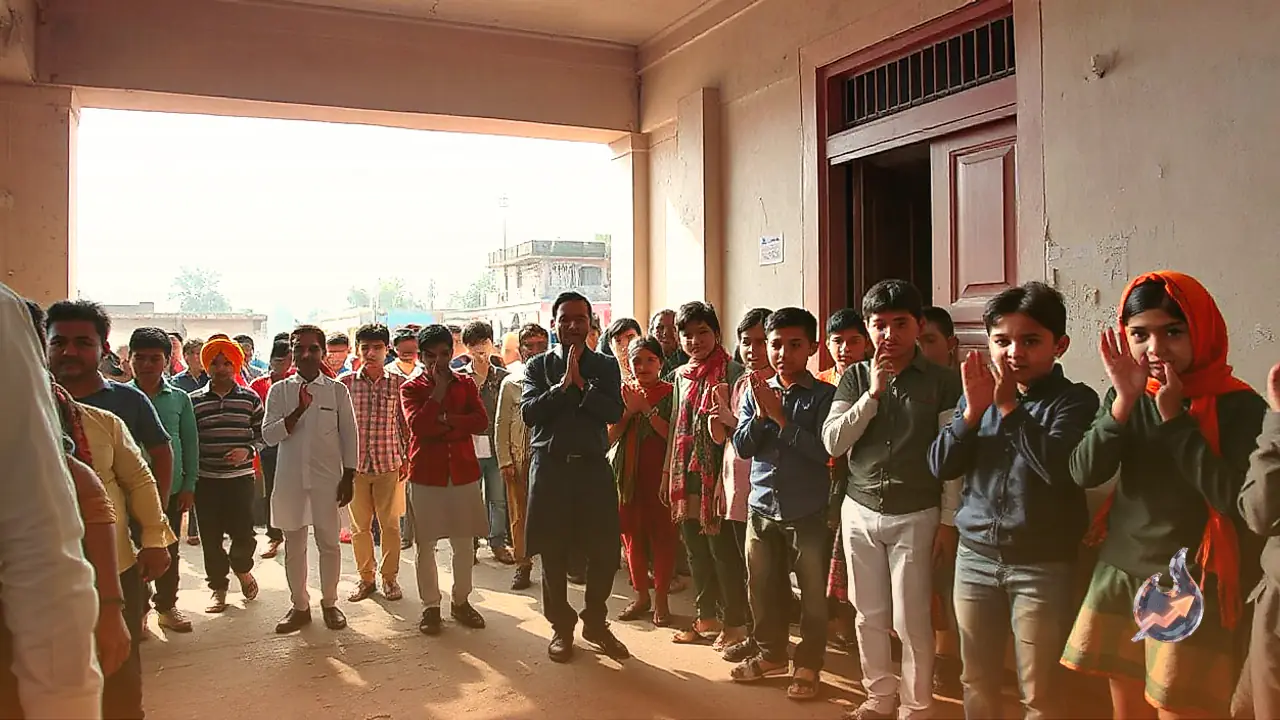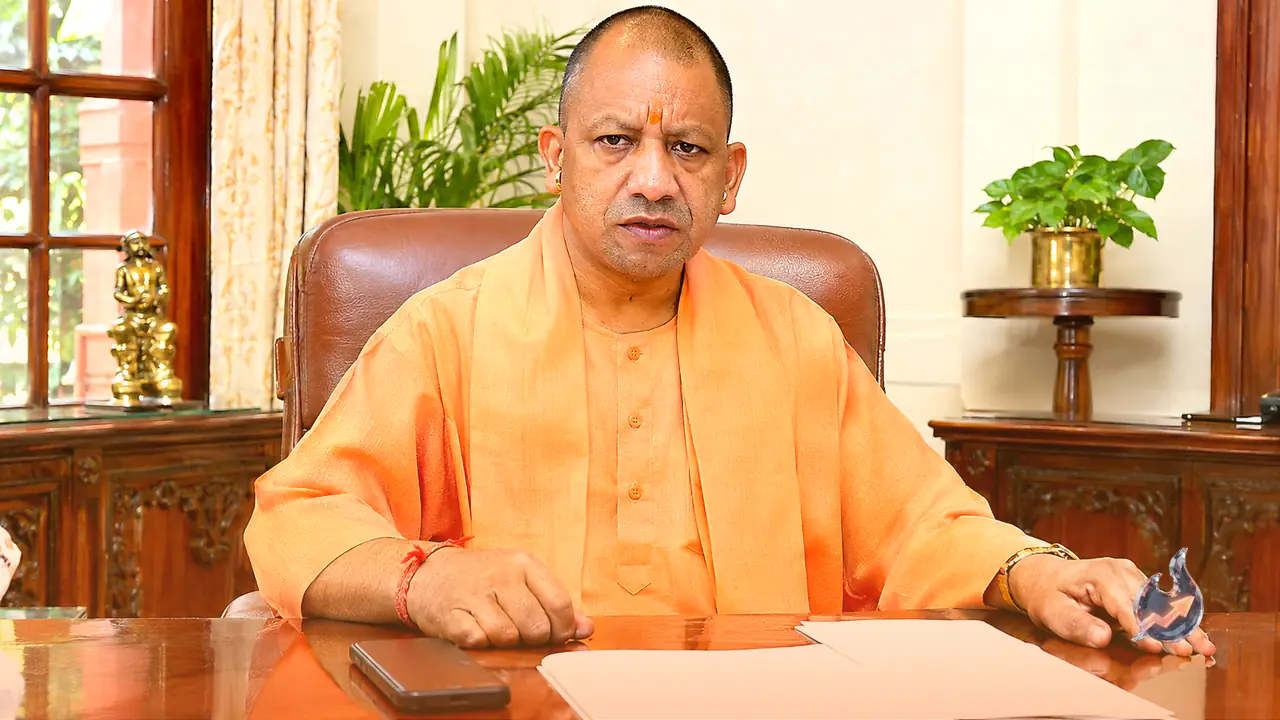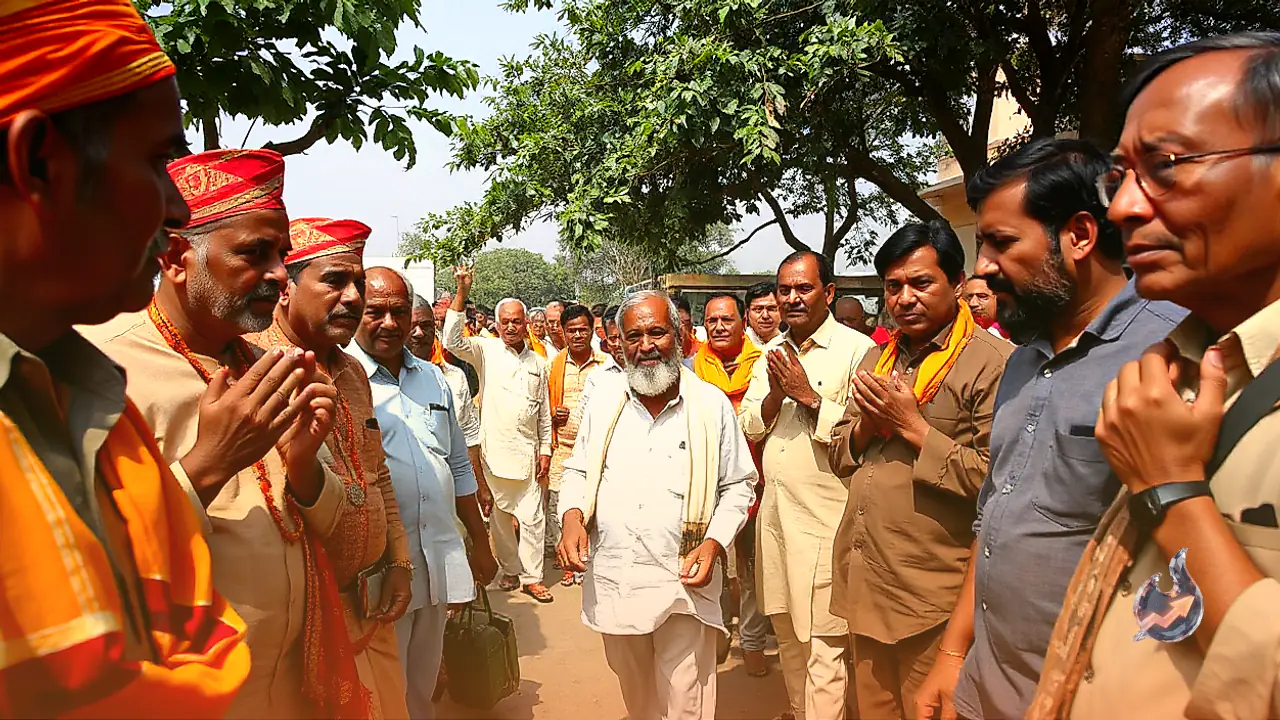





















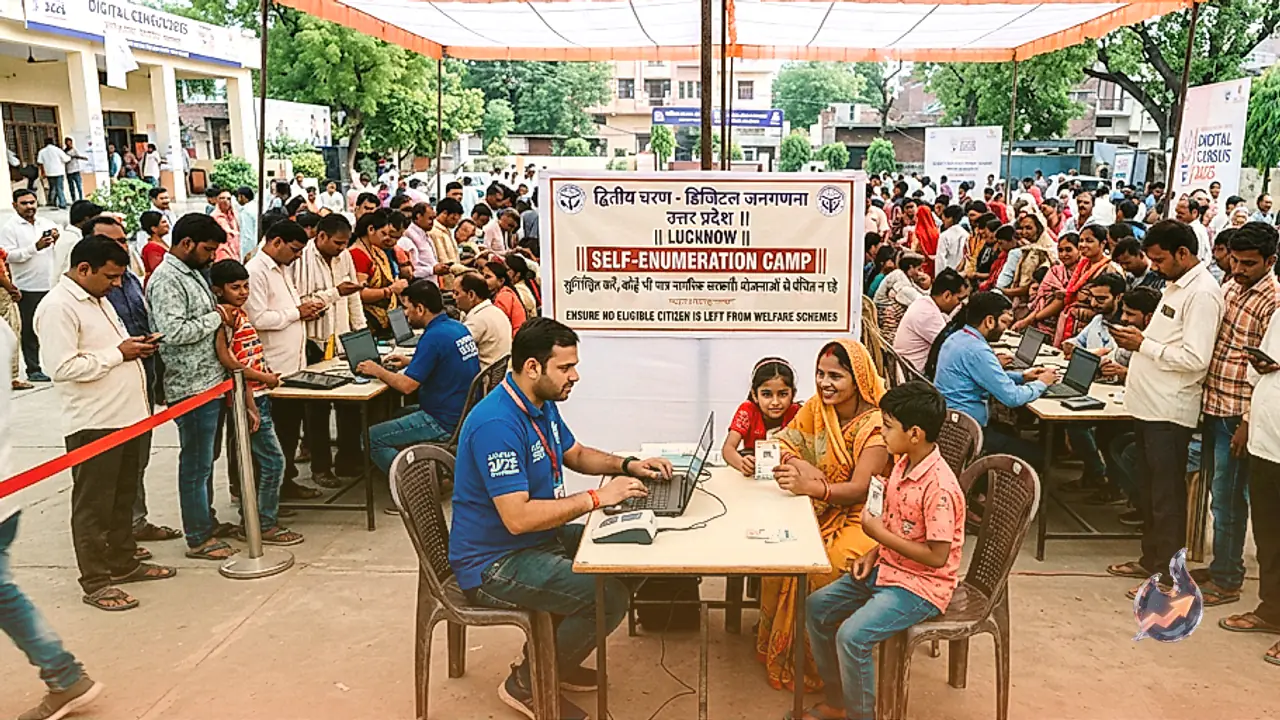

Chief Minister Yogi Adityanath has officially launched the second phase of 'Census 2027' from the state capital, Lucknow. Under this initiative, the state has initiated both self-enumeration and door-to-door data collection processes across all districts. The Chief Minister emphasised that the primary objective of India’s first fully digital population census is to ensure that no eligible individual or marginalized section of society remains excluded from government welfare schemes.
Digital Census Architecture and Second Phase Execution
Recognized as one of the world's largest digital enumeration exercises, the second phase marks a pivotal transition in data collection. Residents are provided the facility to submit their demographic details online via self-enumeration portals, alongside physical verification by enumerators conducting house-to-house visits. Adopting a digital framework minimizes statistical errors, prevents duplication, and speeds up data processing. Officials state that accurate demographic insights form the bedrock of long-term policy formulation and targeted development planning.
Connecting Precise Data with Public Welfare Delivery
Highlighting the critical nature of comprehensive population coverage, Yogi Adityanath stated, "When any section of society is left out of the census, eligible individuals are deprived of government scheme benefits." He noted that equitable growth across any state requires public resources to reach the last person in the socio-economic ladder. Streamlined digital collection will directly assist administrative bodies in determining budget allocations for infrastructure, healthcare, education, and social safety nets.
About Uttar Pradesh
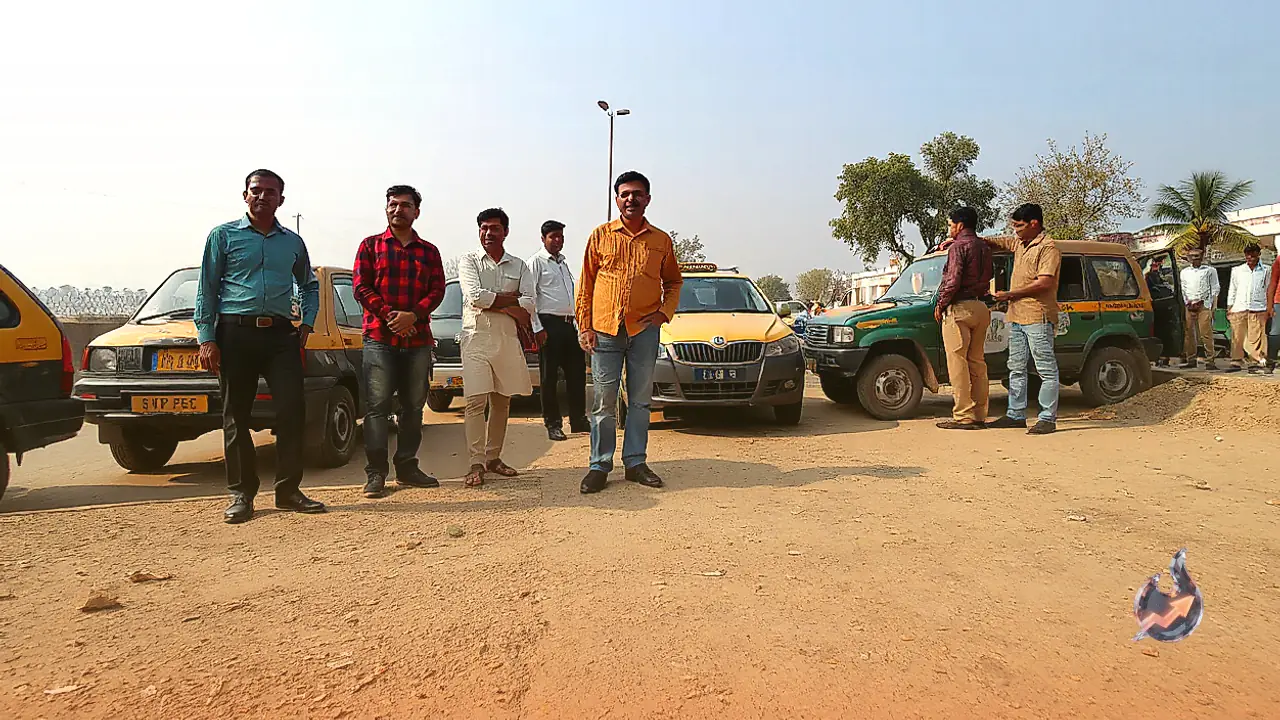
Uttar Pradesh stands as India's most populous state and commands a prominent position by geographic area. Lucknow serves as its administrative and legislative capital, while Prayagraj acts as the judicial hub. Major urban centers include Agra, Kanpur, Varanasi, and Gorakhpur. Geographically, the state shares international borders with Nepal to the north, along with state boundaries touching Uttarakhand, Himachal Pradesh, Haryana, Delhi, Rajasthan, Madhya Pradesh, Chhattisgarh, Bihar, and Jharkhand. Executing a digital census across such a vast geography represents a massive administrative undertaking.
Public Reaction
Following the official announcement, citizens took to digital platforms to share their perspectives. While many welcomed the technological transparency for ensuring fair benefit distribution, others highlighted specific regional economic demands and requested expanded welfare coverage.