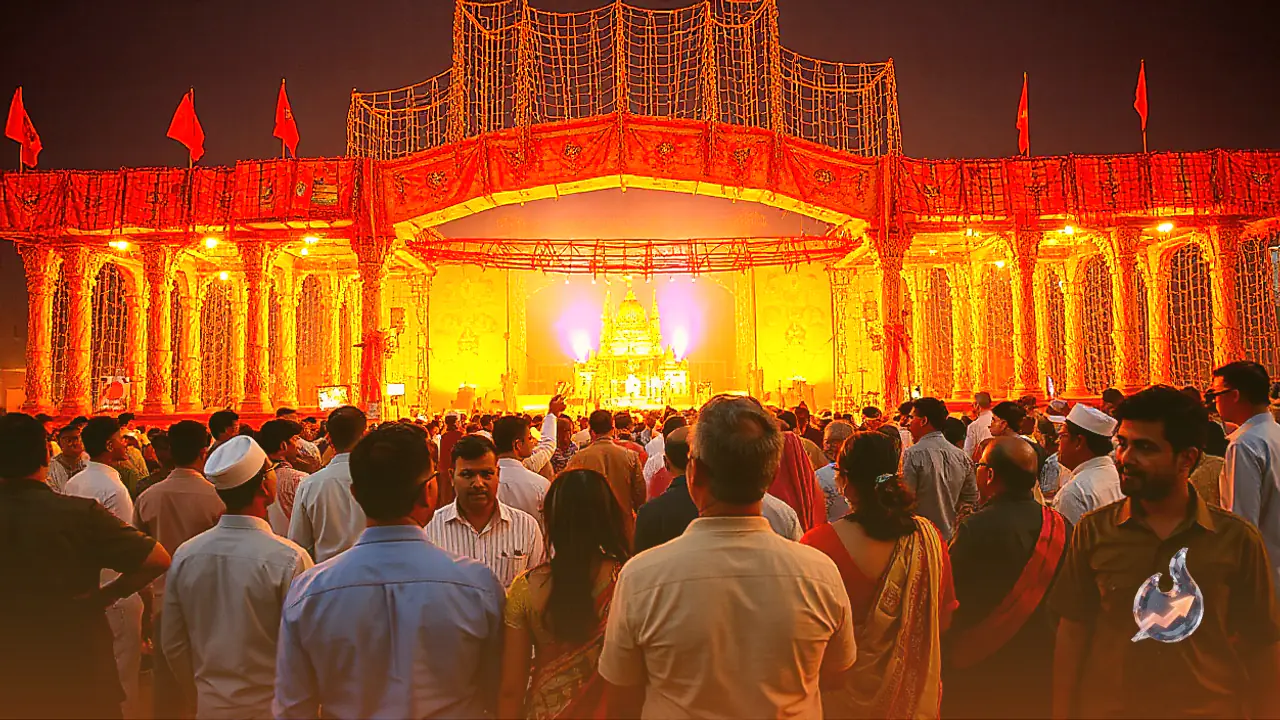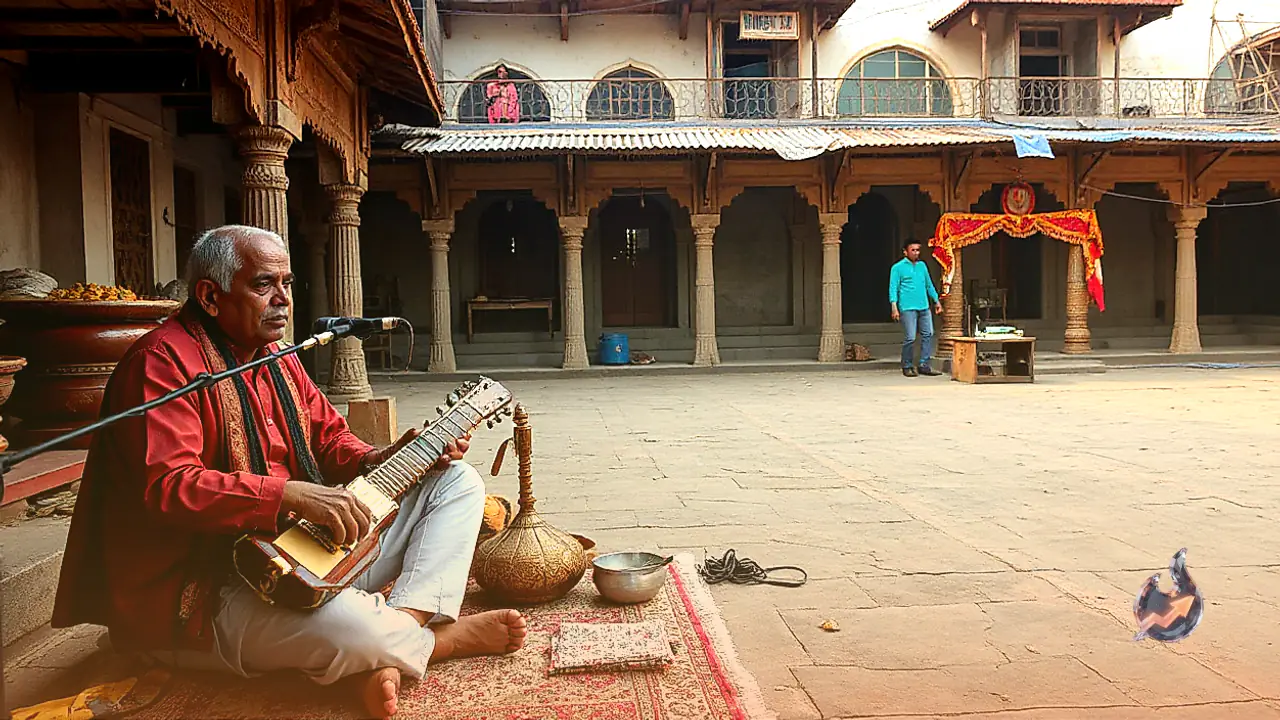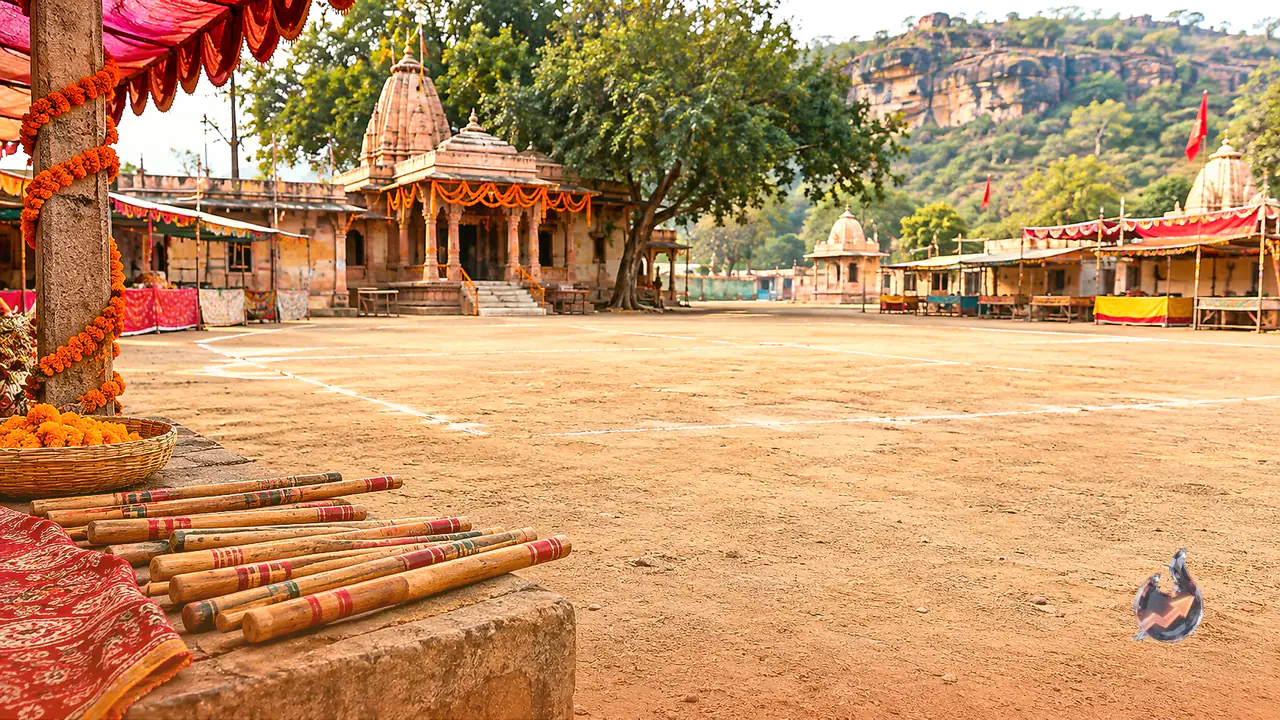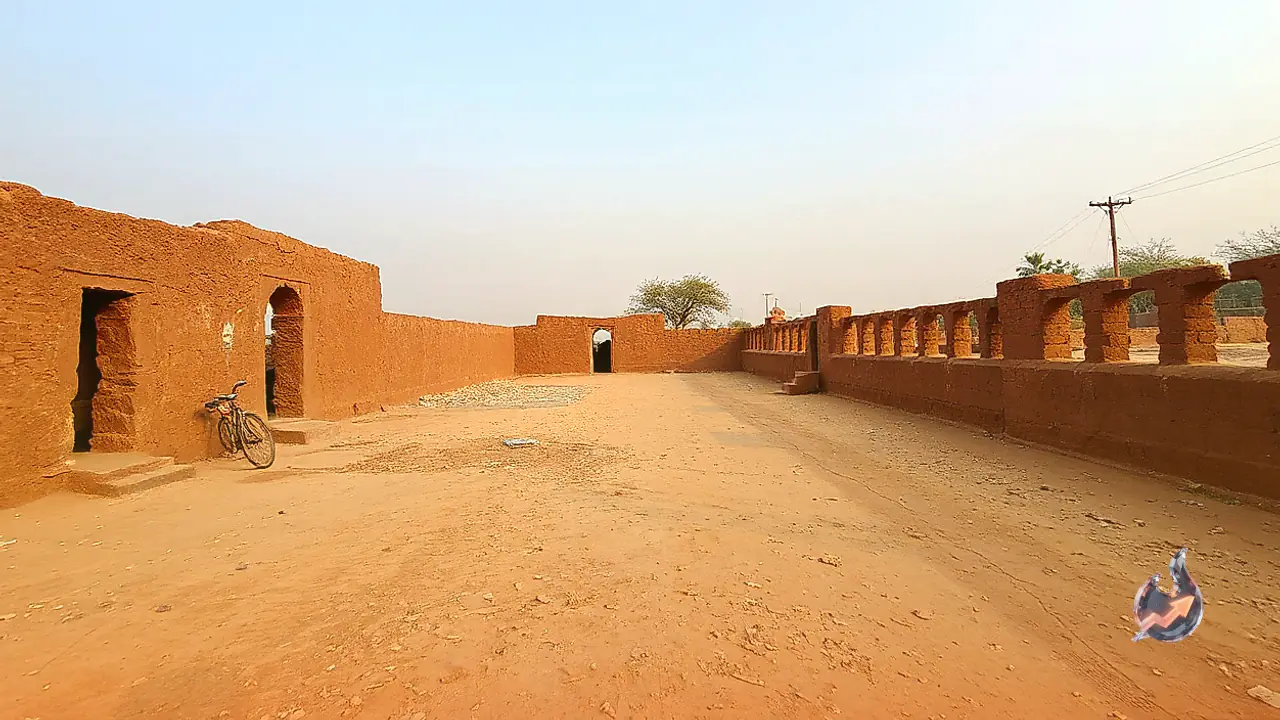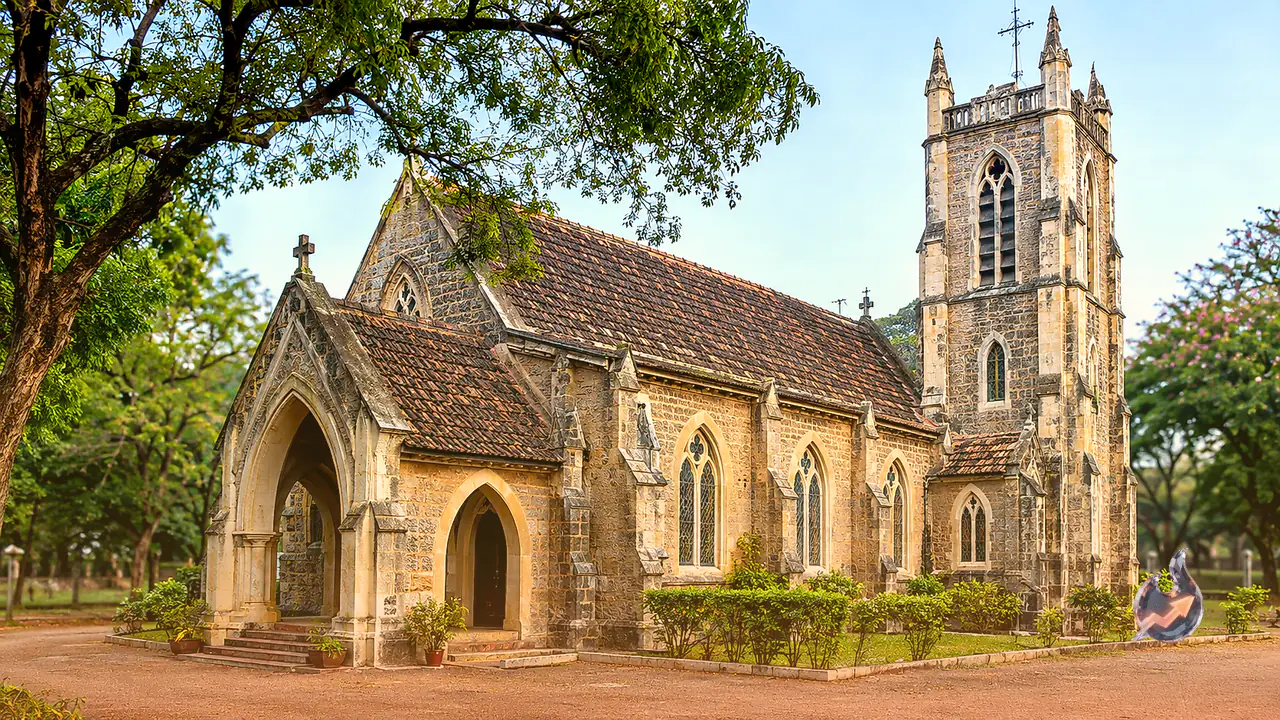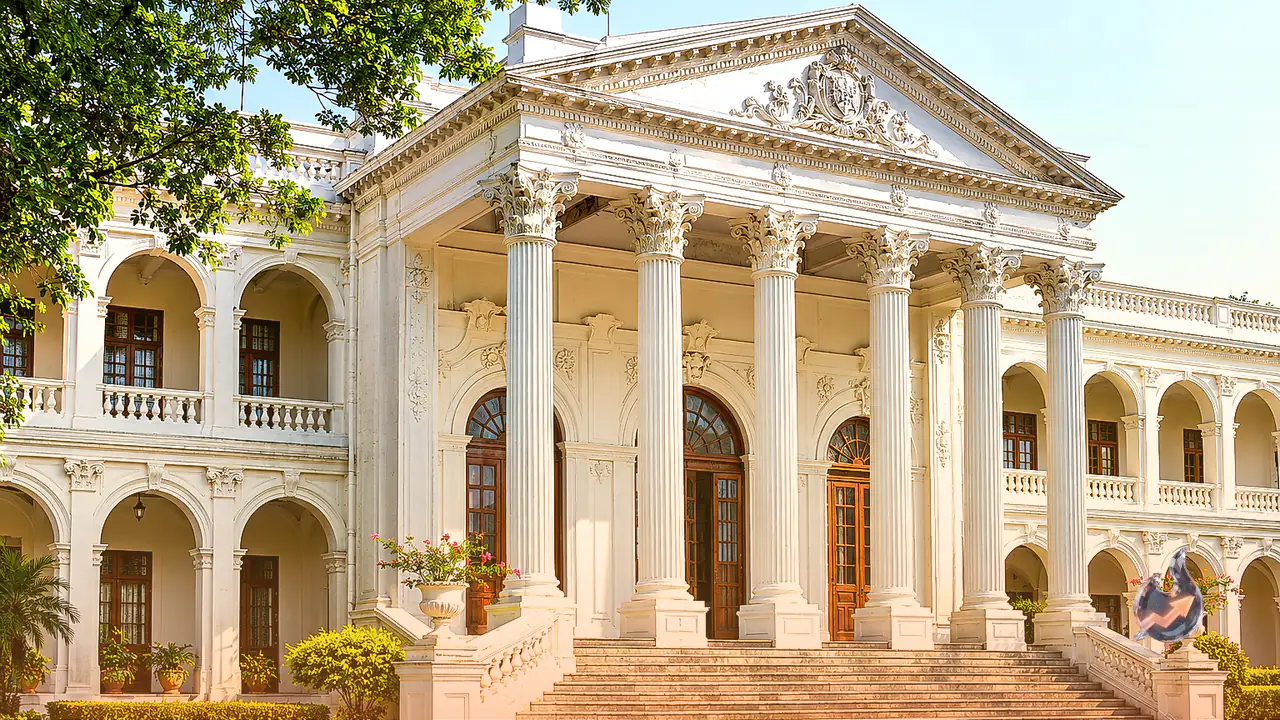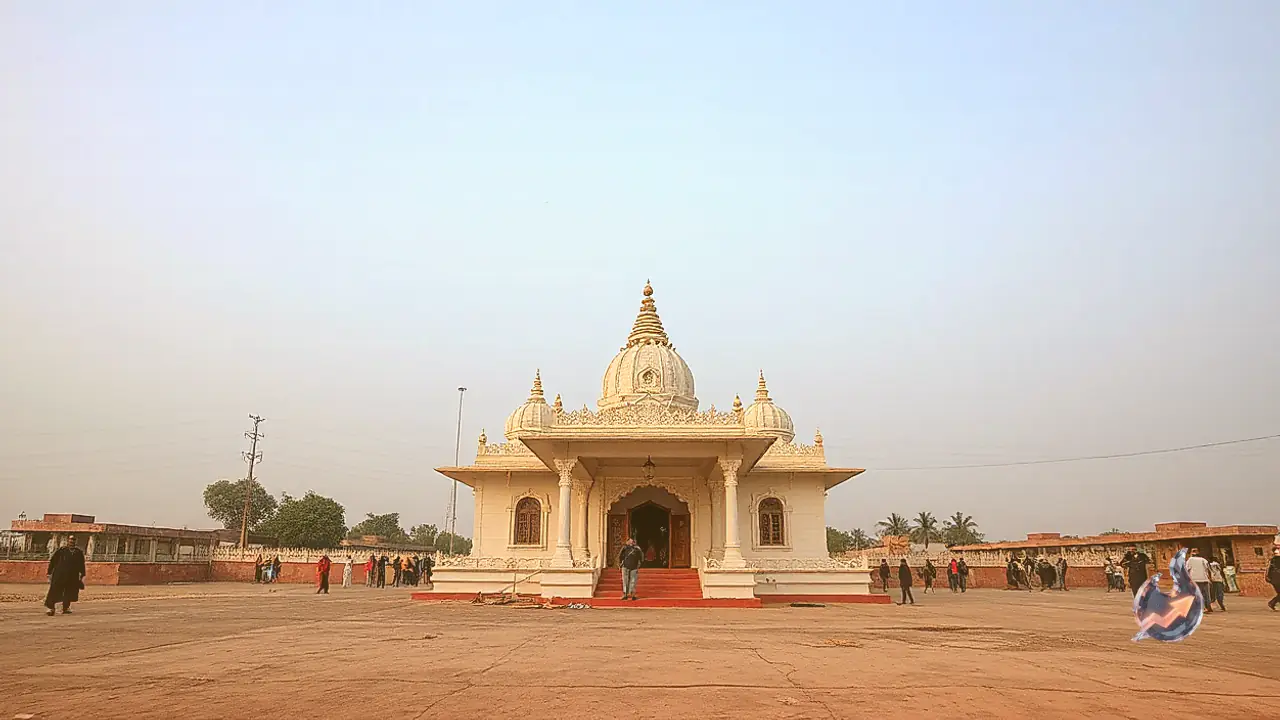
















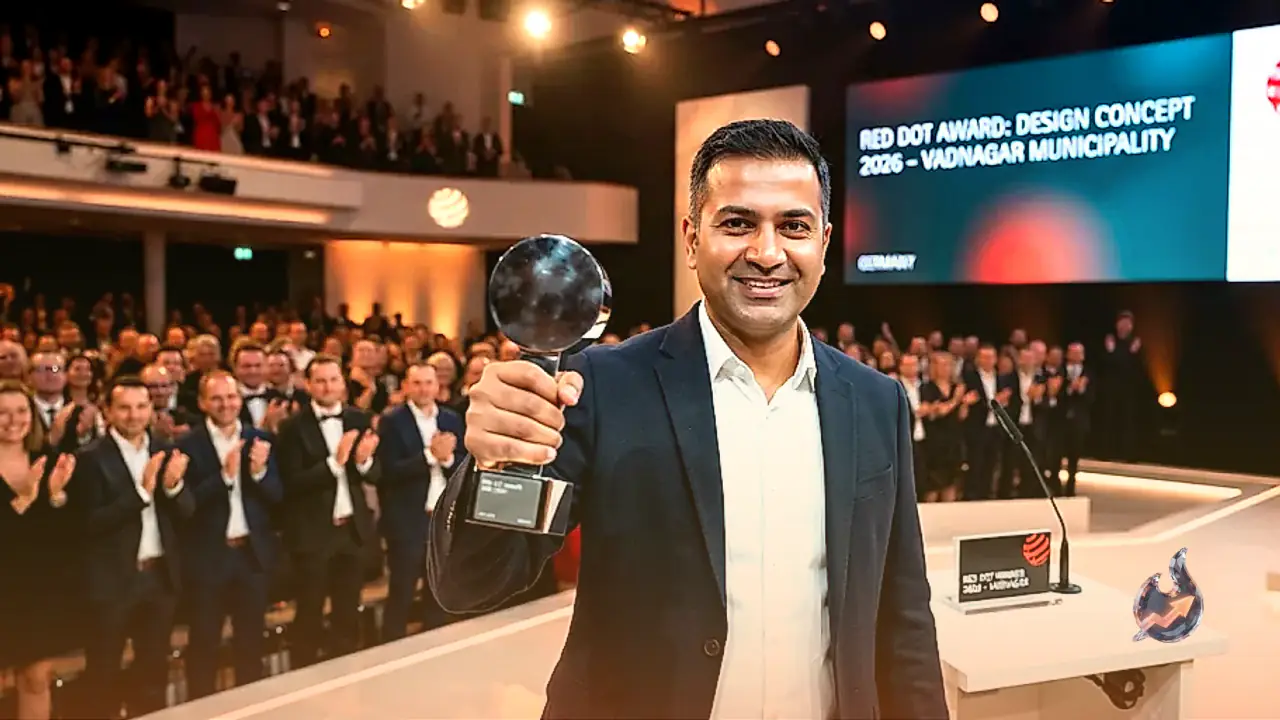

The historic town of Vadnagar in Gujarat has achieved a major international milestone as its state-of-the-art heritage institution secured prestigious global recognition. The Anant Anadi Vadnagar Archaeological Experiential Museum has been honored with the Red Dot: Best of the Best Award 2026 in Germany. This distinction makes it the first and only museum in India to earn this specific international architectural and experiential design accolade. Located in the town where Prime Minister Narendra Modi spent his childhood years, the institution brings thousands of years of civilizational history to the forefront of global attention.
Prestigious German Recognition for Experiential Design
The Red Dot: Best of the Best Award 2026 highlights an extraordinary synthesis of Indian archaeology, historical preservation, and contemporary design practices. Spanning an expansive area of 12,500 square meters, the museum complex was constructed with an investment of approximately Rs 298 crore. Opened to the public in January 2025, the institution was planned not merely as a traditional repository for relics, but as an immersive space where visitors can directly experience historical eras. A key feature of the complex is its direct physical connection to a live archaeological excavation site, allowing visitors to observe ongoing archaeological discoveries alongside curated exhibits.
Architecture Reflecting 2,500 Years of Artifacts and Strata
At the heart of the museum's exhibition strategy are more than 6,000 excavated archaeological artifacts that span nearly 2,500 years of recorded history. The design philosophy incorporates a unique architectural concept centered on seven distinct layers of soil. Each layer represents a different historical epoch through which Vadnagar evolved over the centuries. Rather than displaying items isolated inside glass cases, the layout blends modern interactive technology with physical archaeological evidence to recreate the daily life, culture, and structural progression of past civilizations.
A Continuous Civilizational Hub Connected to PM Modi's Childhood
Archaeological research in Vadnagar has uncovered evidence of continuous human habitation lasting for more than 2,700 years. Throughout this long timeframe, the settlement absorbed diverse cultural influences, leaving behind notable artifacts and structures linked to Hindu, Buddhist, and Jain traditions. Architectural landmarks such as the iconic Kirti Toran, the Hatkeshwar Mahadev Temple, and the historic Sharmishtha Lake continue to serve as symbols of the town's enduring heritage.
Prime Minister Narendra Modi maintains a deep personal connection with Vadnagar, where he was born and grew up. He has frequently spoken about his childhood in the town, recalling how teachers during his school days encouraged students to explore their surroundings for ancient artifacts, carved stones, and historical inscriptions. These early experiences nurtured an appreciation for historical heritage that now culminates in the worldwide recognition of Vadnagar's civilizational legacy. The prestigious award in Germany underscores how India's rich history can be presented on the global stage through innovative design and world-class architectural presentation.