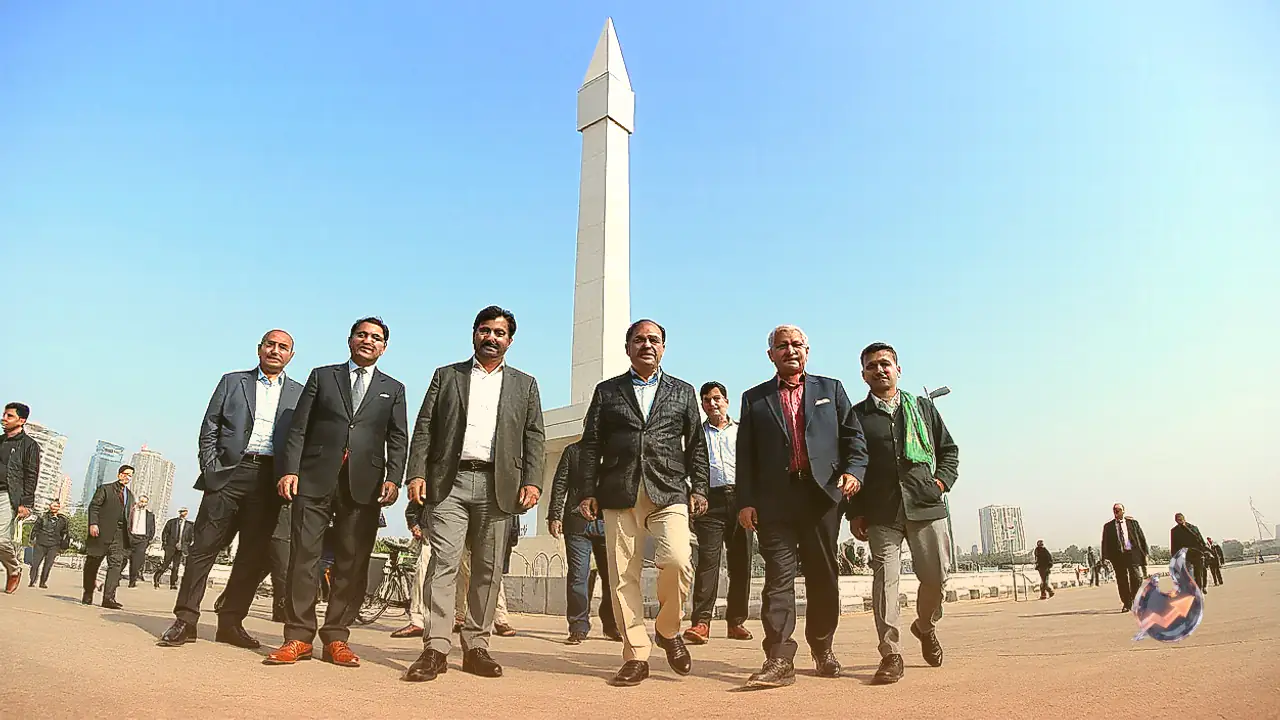




















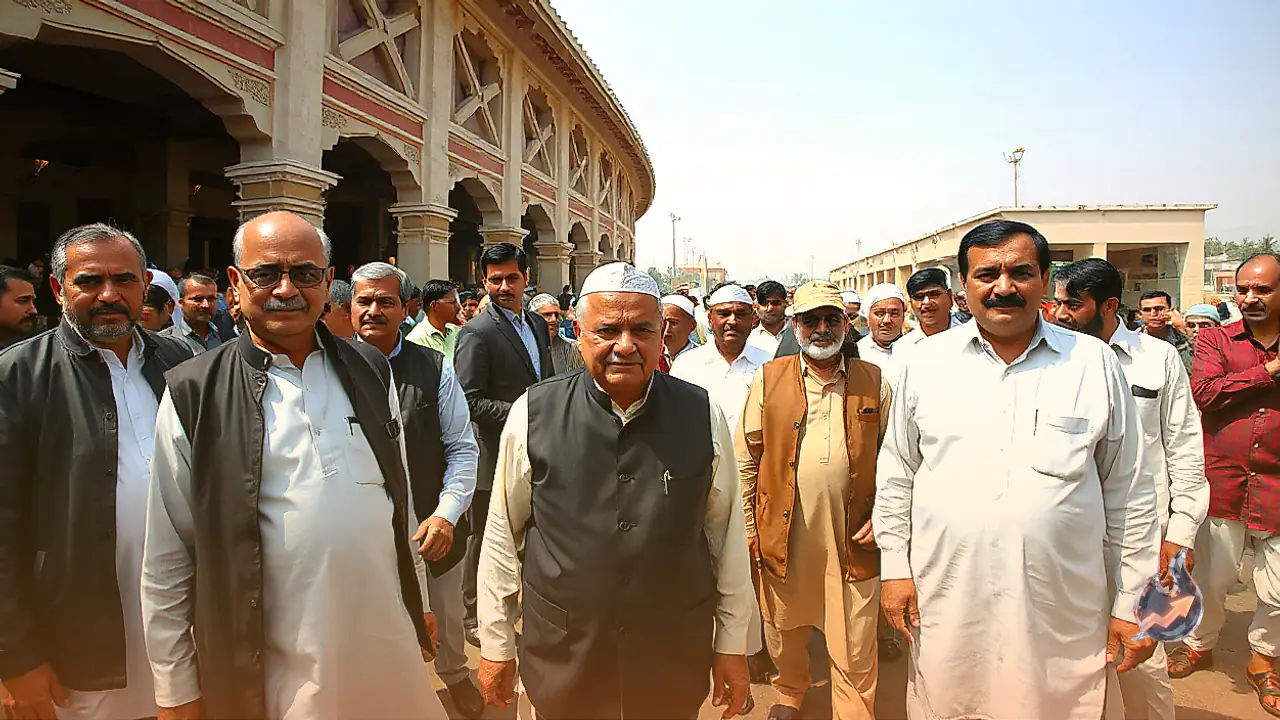

Pakistani Prime Minister Shehbaz Sharif has put forward an ambitious projection regarding his country's economic future. Speaking at the Pakistan Minerals Investment Forum 2026 hosted in Islamabad, he asserted that Pakistan is on track to become the world's sixth largest economy before the year 2050. His declaration has stirred significant discussion, coming at a time when the nation remains entangled in severe financial distress and a heavy external debt load.
The Goldman Sachs 2075 Report and Shehbaz Sharif's Revision
During his address, Shehbaz Sharif cited a major research paper published in December 2022 by the American financial institution Goldman Sachs. Titled 'The Path to 2075', the report projected that Pakistan could potentially evolve into the sixth largest economy globally by the year 2075. Under those projections, the country was estimated to reach a nominal Gross Domestic Product of approximately $12.7 trillion, alongside a per capita income of around $27,100.
However, the original analysis explicitly emphasized that these figures were long term theoretical projections rather than guaranteed outcomes. The report noted that achieving such benchmarks would be strictly contingent on sustained economic reforms, stable policy direction, and effective governance. Reinterpreting these estimates, Sharif claimed that Pakistan would not need to wait until 2075, insisting instead that the country could attain this ranking well before 2050.
The Debt Crisis: $290 Billion Burden and IMF Support
Ground economic realities present a stark contrast to the Prime Minister's optimistic timeline. According to official data, Pakistan's public debt currently stands at approximately 86.72 trillion Pakistani rupees, which translates to around $290 billion. The national economy continues to rely heavily on financial rescue packages and economic stabilization frameworks provided by the International Monetary Fund (IMF).
Analysts point out that achieving a multi-trillion-dollar economy requires structural stability and sustained annual growth rates. At present, Pakistan confronts multiple systemic headwinds, including severe vulnerability to climate change, ongoing political instability, elevated inflation, and an underdeveloped infrastructure. Surmounting these structural bottlenecks remains a formidable prerequisite before any long term targets can be realized.
Rhetoric Versus Reality
Observers note that exaggerated statements have previously surfaced from the Pakistani leadership during crises. For instance, following the BrahMos missile incident during Operation Sindoor, official narratives sought to frame the situation as a strategic success despite clear setbacks. Now, against the backdrop of India's rapid economic expansion, Sharif's assertion at the Islamabad investment summit highlights the vast gap between high-level policy rhetoric and the country's immediate financial challenges.