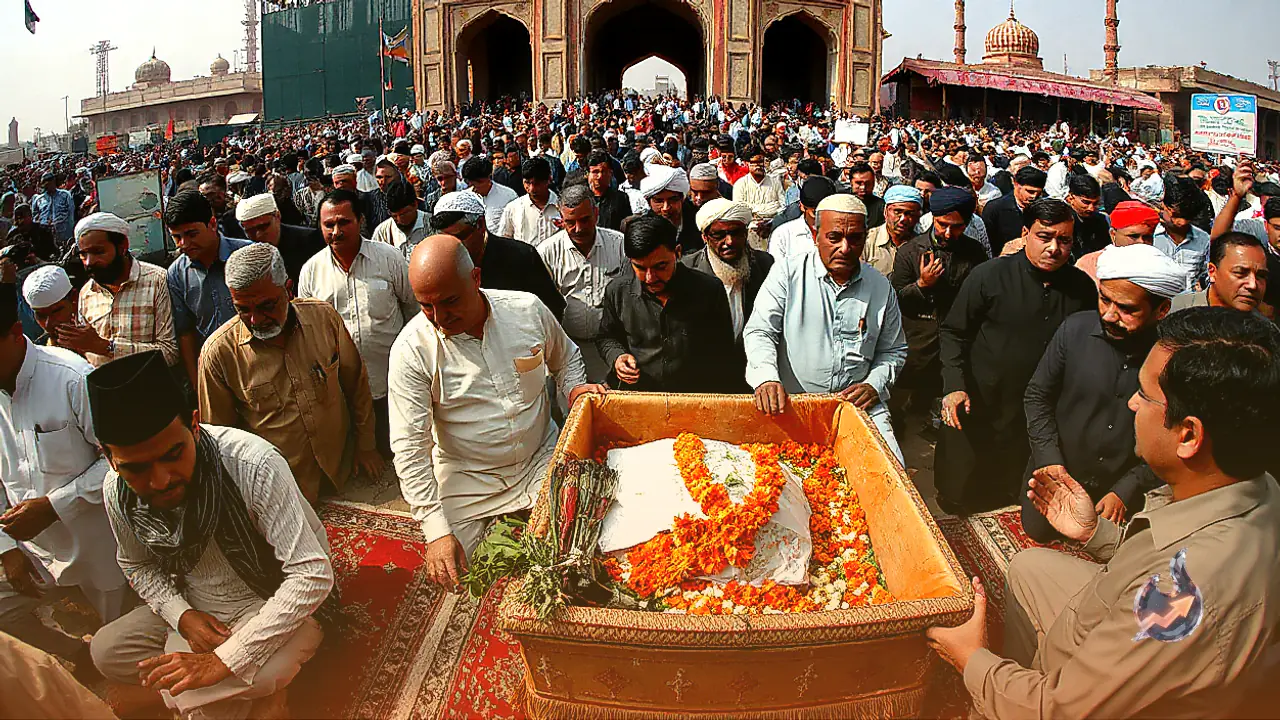
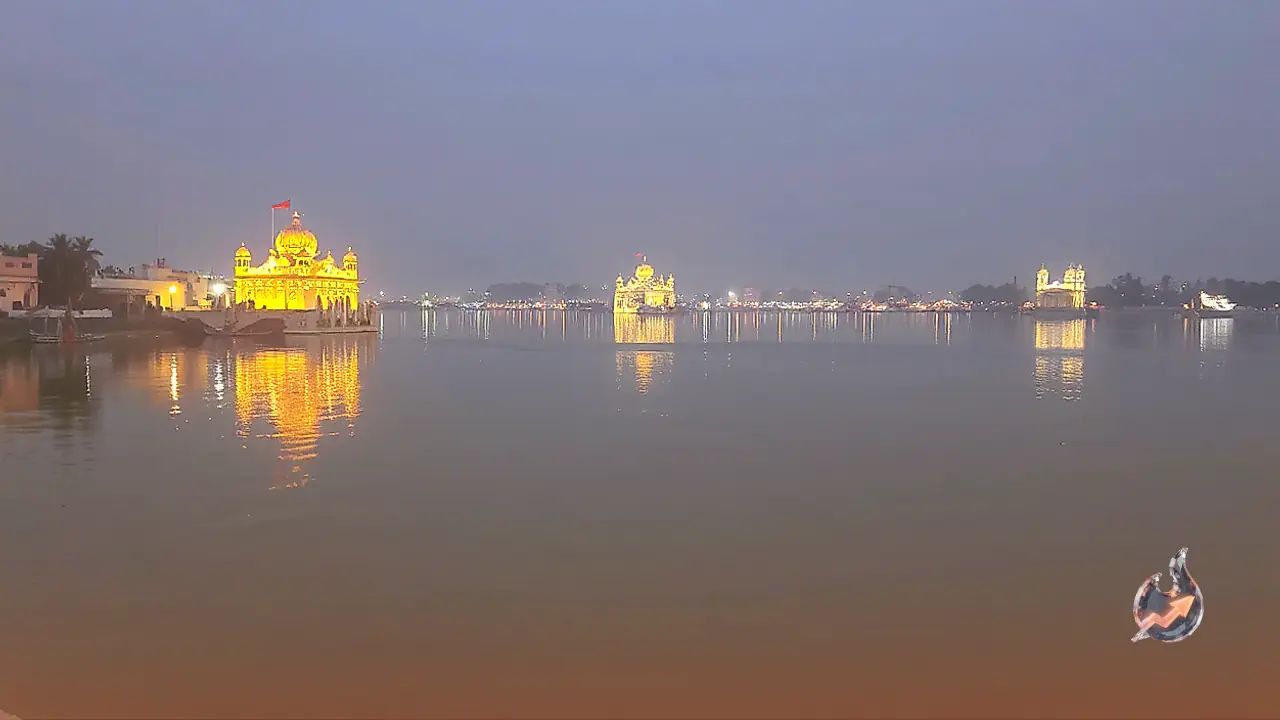
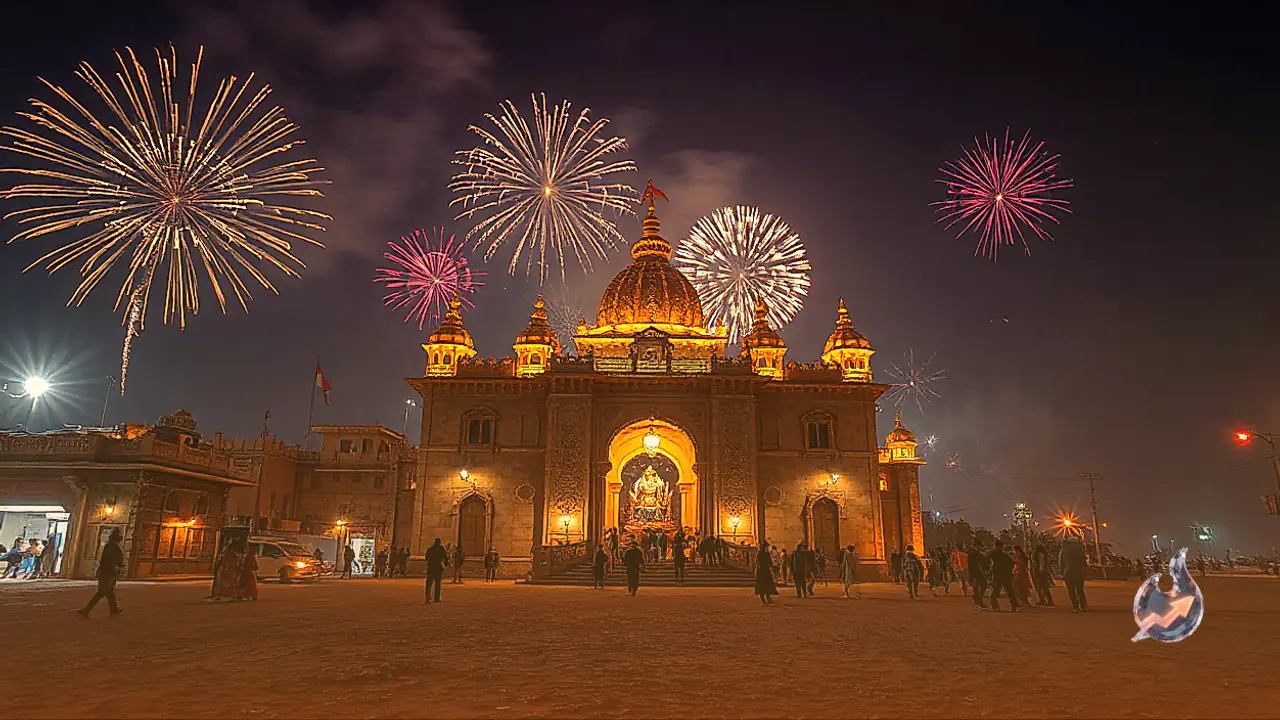















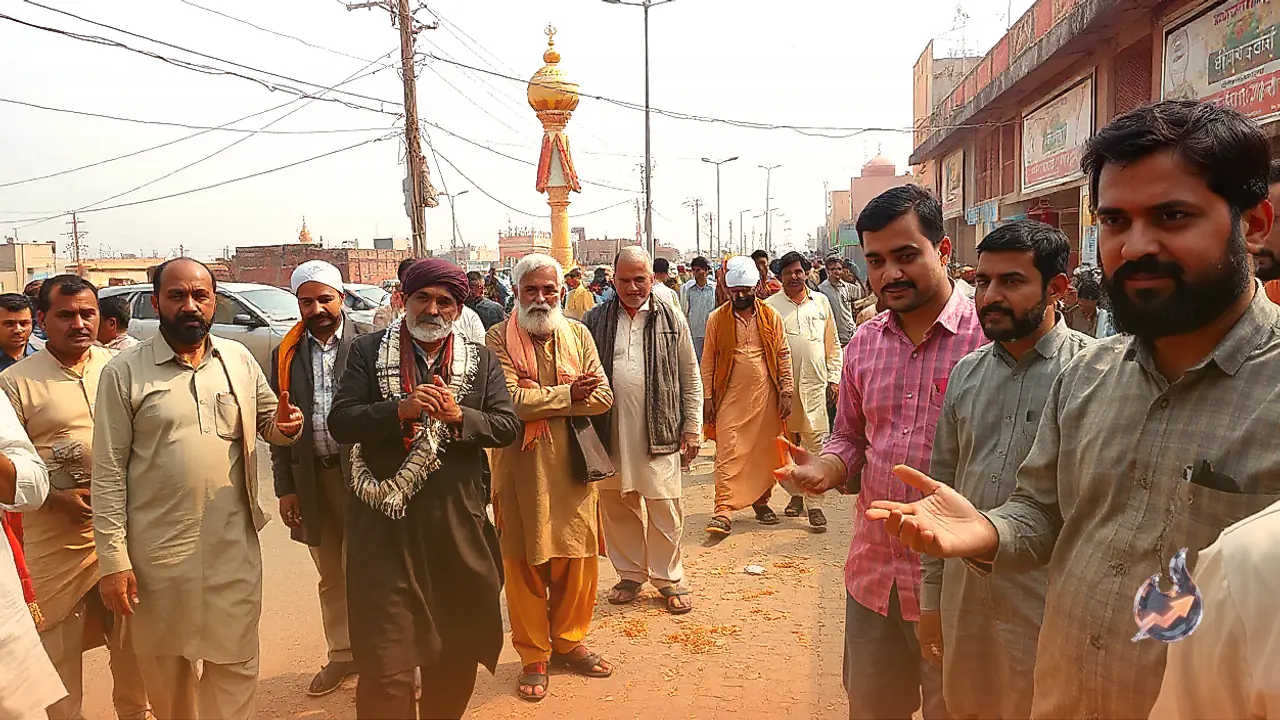

Pakistan Prime Minister Shehbaz Sharif extended his heartfelt greetings and warmest wishes to the Hindu community residing both globally and within Pakistan on the auspicious occasion of Diwali. In his official message, he described the festival as a symbol of the triumph of light over the darkness of hatred and intolerance. He emphasized the profound message of promoting peaceful coexistence in human relationships and fostering mutual brotherhood in social life. While intended as festive felicitations, the message arrived amid ongoing discussions regarding the actual conditions faced by religious minorities within the country.
In his detailed statement, the Prime Minister noted that the Hindu community forms a valued and integral part of the nation's fabric. He appreciated their contributions to the social, cultural, and economic development of Pakistan, calling the diverse cultural and religious traditions a valuable societal asset. He reiterated that the Constitution of Pakistan guarantees the protection of the religious and civil rights of all minorities. Furthermore, he stated that the government remains firmly committed to safeguarding the rights, dignity, and religious freedoms of every citizen regardless of faith, color, or ethnicity.
Shared through the official Prime Minister's Office account on November 7, 2026, the message stressed that promoting religious harmony and mutual respect is a collective responsibility. The statement outlined a vision to build an inclusive and prosperous nation that ensures equal educational and economic opportunities for all citizens. However, this rhetoric of inclusivity and protection stands in sharp contrast to the lived experiences of minorities who frequently navigate severe systemic challenges and societal pressures within the region.
Official demographic data from recent national assessments highlights a complex picture regarding the Hindu population in Pakistan. According to the 2023 census, the Hindu population in the country stood at approximately 3.867 million, compared to roughly 3.595 million recorded in the 2017 census. While the absolute numbers show an increase, the community's share of the total national population decreased from 1.73 percent to 1.61 percent. This drop in proportional representation underscores the demographic shifts and the underlying pressures faced by the community over recent years.
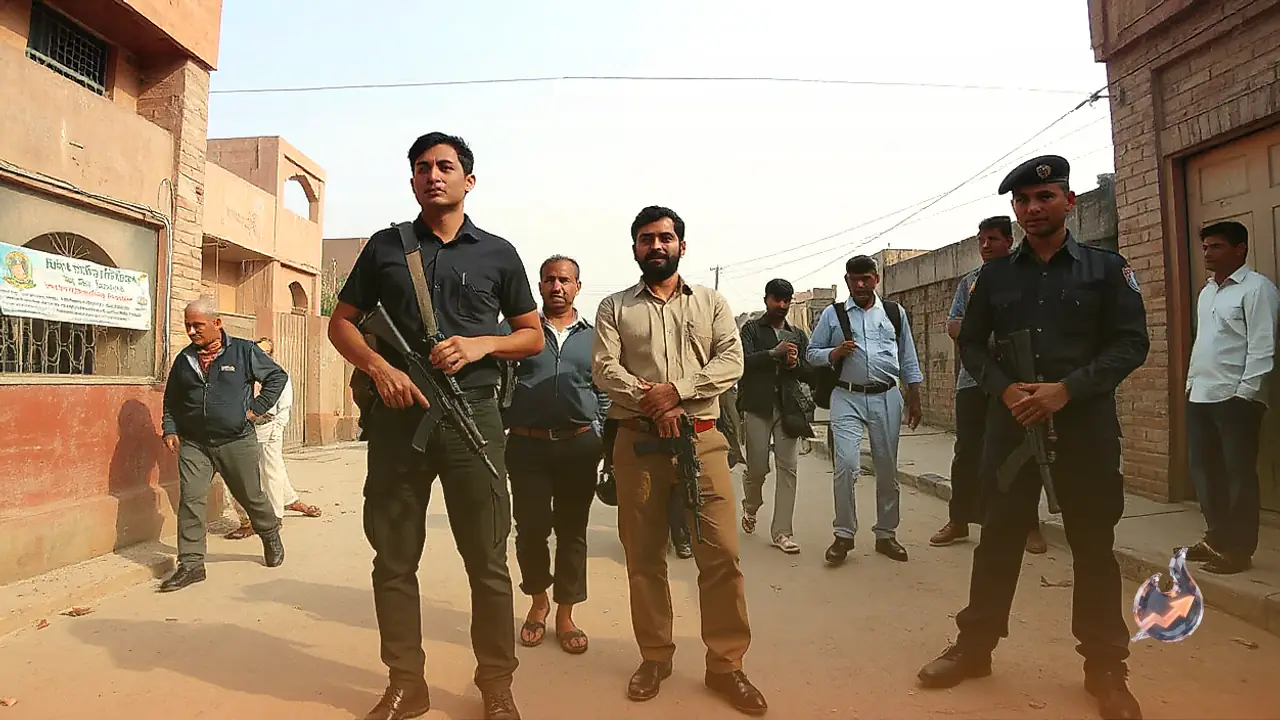
Security concerns remain a persistent and distressing reality for Hindus living in Pakistan. Incidents involving the abduction of young Hindu girls, forced conversions, underage marriages, and attacks on temples have consistently drawn sharp criticism. The Human Rights Commission of Pakistan has repeatedly expressed grave concern over the forced conversion of Hindu and Christian women and girls. Additionally, economic hardships, social discrimination, and a pervasive sense of insecurity have been cited as primary drivers behind the migration of numerous Hindu families from regions like Sindh.
Given these persistent challenges, the Diwali message from the leadership is viewed by observers as an attempt to project religious tolerance and a normal state of affairs for minorities. Yet, fundamental questions remain regarding whether the Hindu community can celebrate their festivals without fear and whether their daughters, temples, and cultural identities are genuinely secure. While articulating commitments to minority rights on the global stage is straightforward, the true test of a nation's tolerance lies in the daily safety, equality, and dignity afforded to its most vulnerable populations.