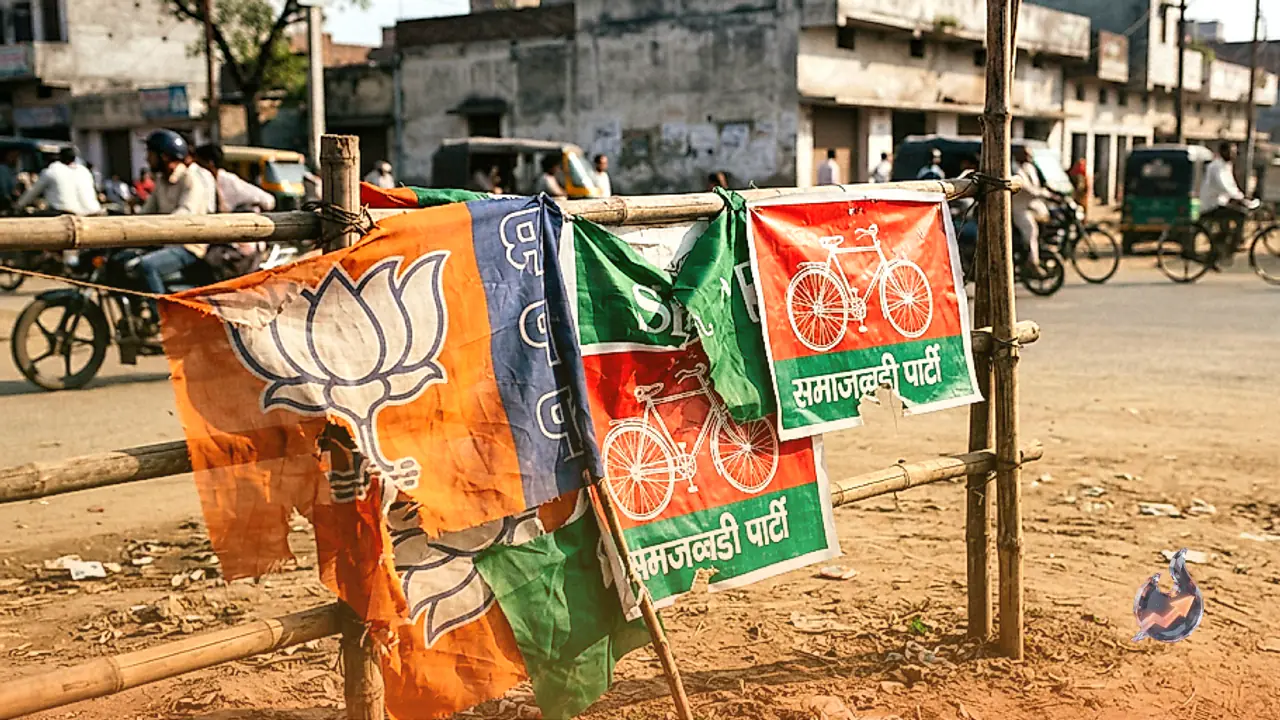





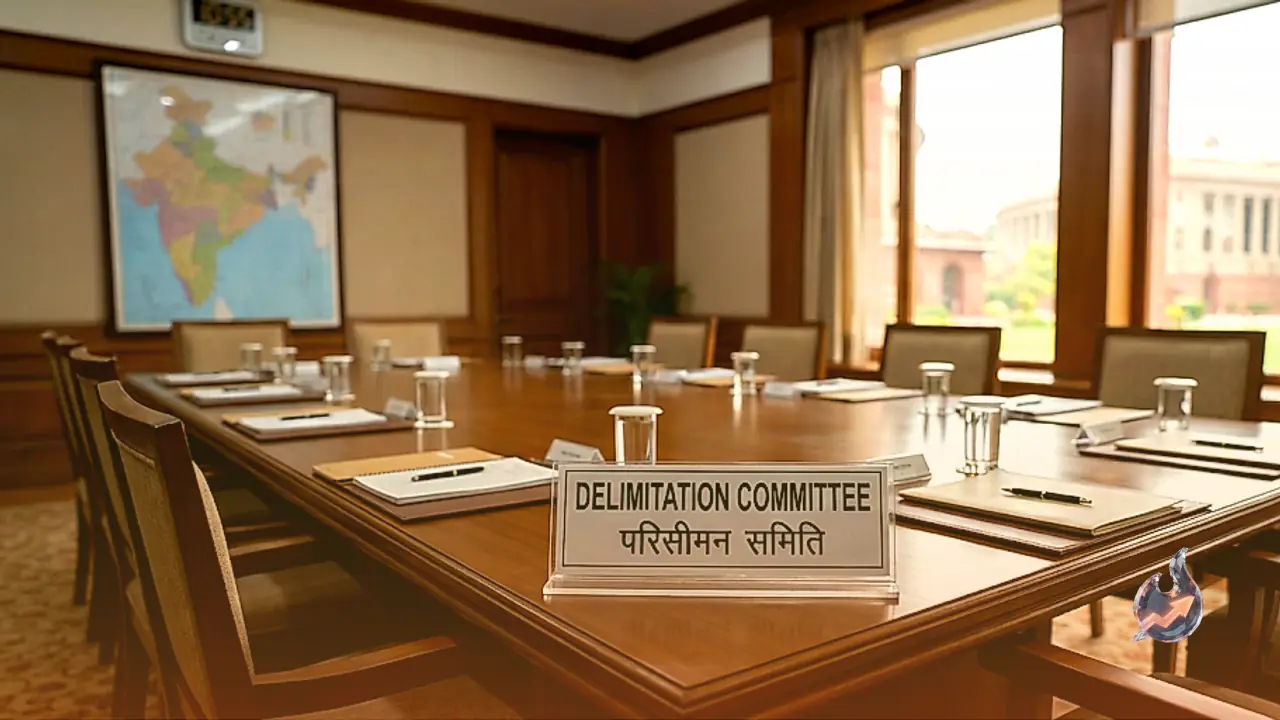














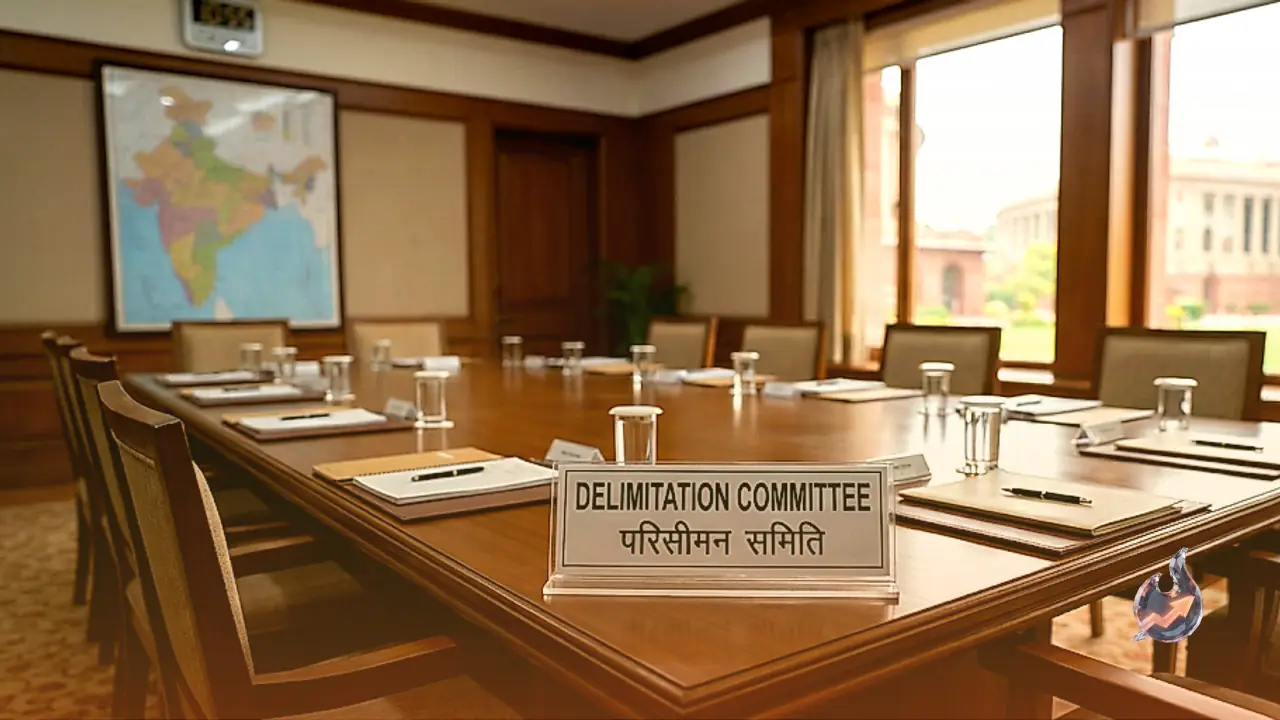

The Bharatiya Janata Party (BJP) is actively working to gather support from outside the National Democratic Alliance (NDA) for its proposed formula regarding the delimitation of Lok Sabha constituencies. Indications suggest these efforts are yielding positive results, with sources pointing to potential backing from certain leaders within the Samajwadi Party (SP) and Sharad Pawar's Nationalist Congress Party (NCP-SP). According to information obtained by news channels, this emerging alignment could disrupt opposition efforts to present a unified front against the delimitation process.
Shifting Political Dynamics in Parliament
According to party sources, select leaders from the Samajwadi Party have hinted at conditional support for the proposal to increase parliamentary seats by 50 percent. This development opens a new pathway for the BJP to build political consensus, while also suggesting that cracks within opposition unity run deeper than initially apparent. The parliamentary arithmetic surrounding this issue carries immense weight, particularly given that the Samajwadi Party stands as a principal opposition force in Uttar Pradesh. Gaining support from even a faction of opposition leadership would allow the ruling party to argue that the delimitation process is advancing with broader political consultation.
The Stakes of Expansion in Uttar Pradesh
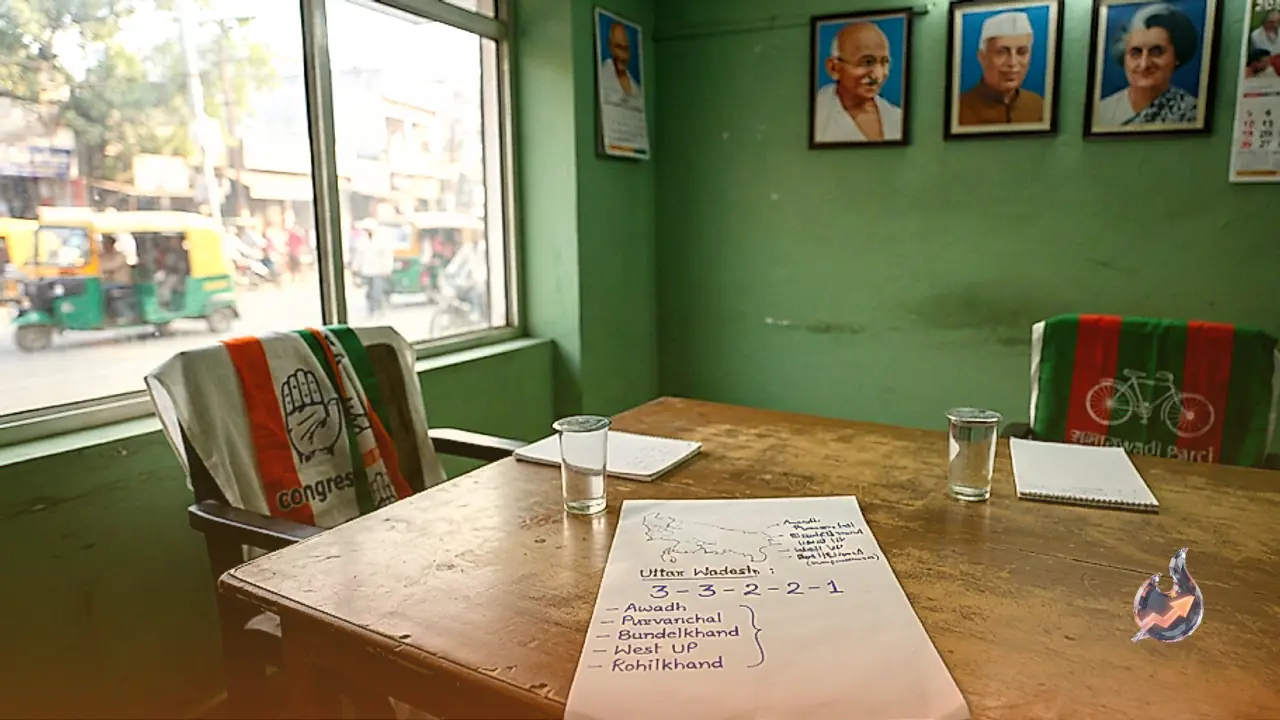
Under the proposed framework, the total number of Lok Sabha seats across all states is slated for a 50 percent increase over current figures. If implemented, this adjustment would elevate Uttar Pradesh's parliamentary representation from 80 to 120 seats, adding 40 new constituencies to the state. Uttar Pradesh has historically remained politically pivotal for the BJP, and an expanded seat count would broaden the scope of upcoming electoral battles, depending entirely on how the framework is executed. For the Samajwadi Party, the formula presents distinct strategic implications, as an increased seat share offers expanded opportunities to consolidate social coalitions and extend political reach into new territories.
Evaluating Regional Reactions and Strategy
The willingness of the NCP-SP to entertain a uniform seat-expansion formula adds a novel dimension to the political landscape, reinforcing the view that the BJP aims to build consensus beyond its traditional alliance boundaries. A senior leader associated with the BJP's electoral strategy noted that increases in opposition-governed and poll-bound states are anticipated to yield advantages, aligning with the party's grassroots assessments. Beyond raw numbers, the primary objective remains securing broad political legitimacy for the proposal, thereby blunting potential resistance from cohesive opposition blocks.
Challenges Ahead for the INDIA Alliance
For the broader opposition alliance, managing differing internal opinions poses a formidable hurdle. When individual leaders and parliamentarians diverge from their party's official stance, maintaining a unified strategy in parliament becomes exceedingly difficult. The ultimate test will lie in whether these preliminary indications of support translate into tangible votes on the floor of the house. As the situation develops, the political reality highlights the BJP's outreach efforts running parallel to a significant stress test for opposition solidarity regarding constituency reorganization.