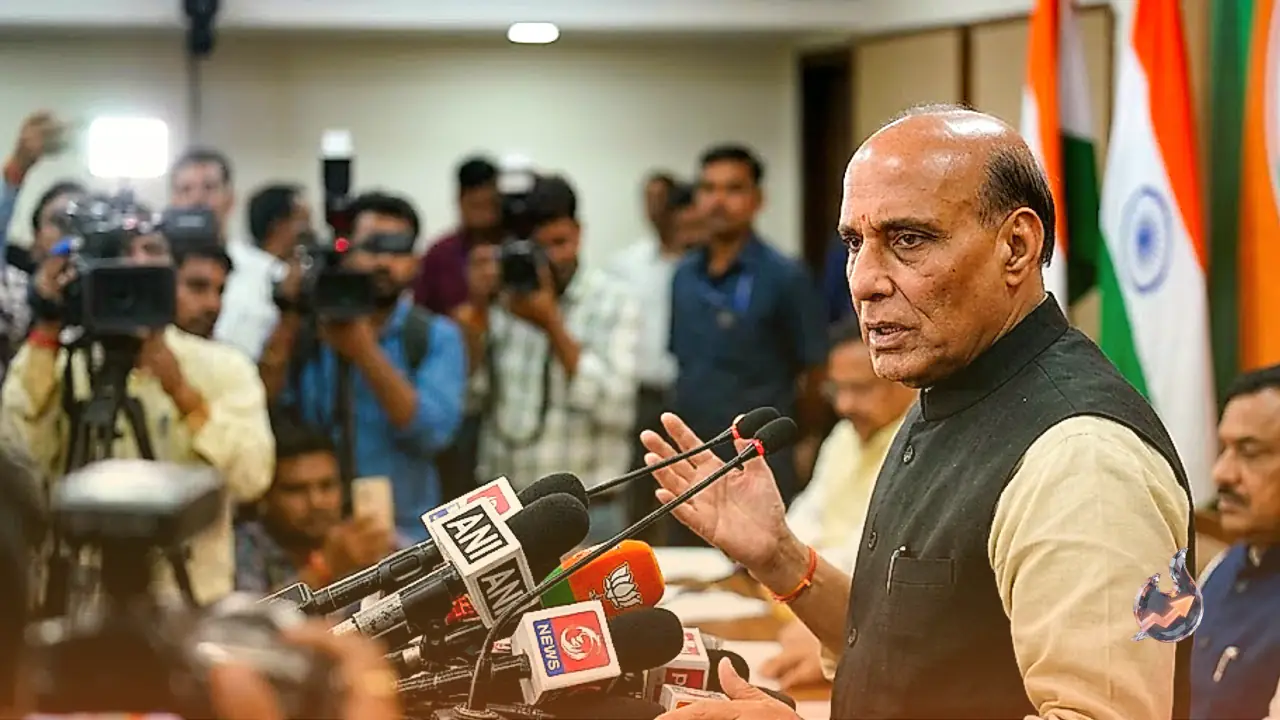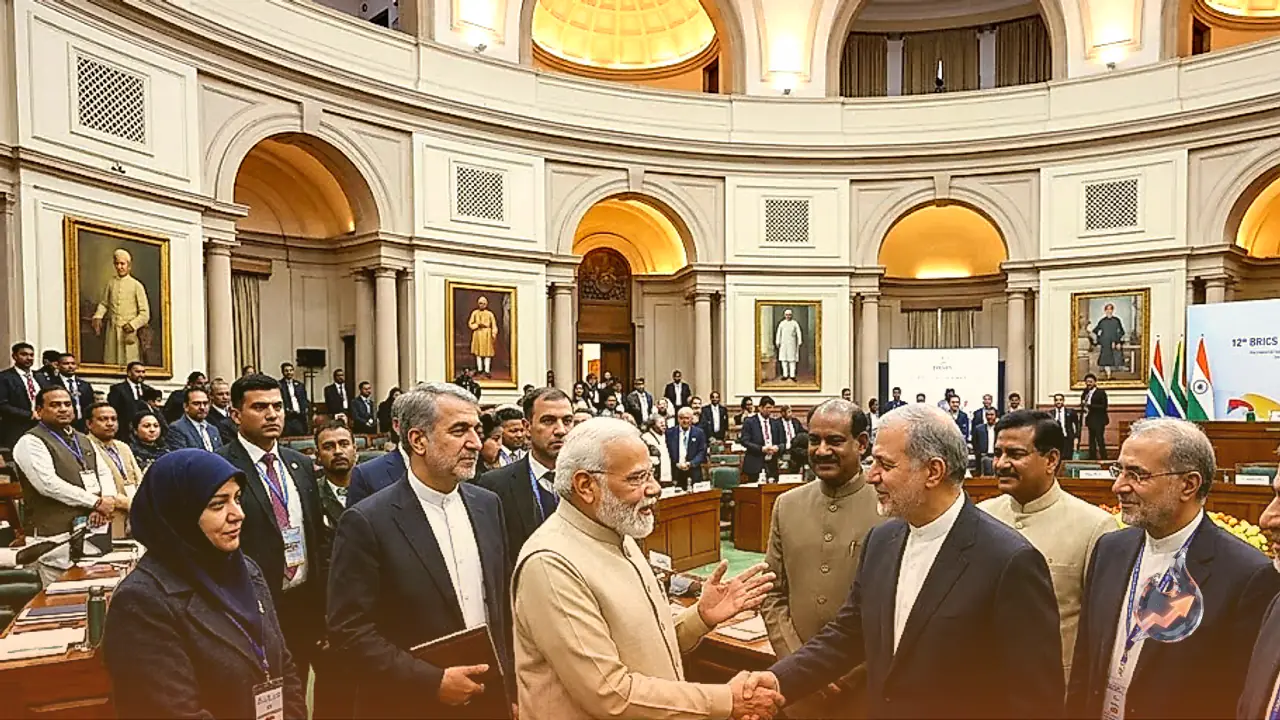



















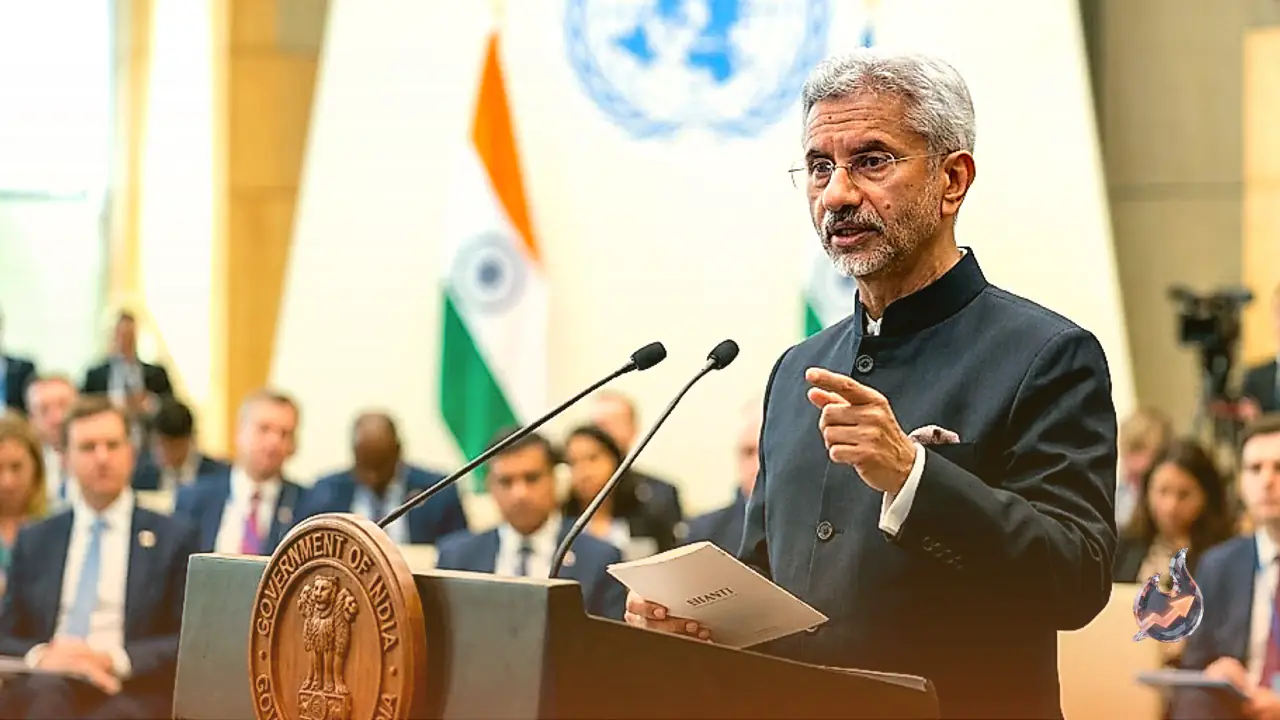

New Delhi: Strengthening its position on the global stage, India has taken a decisive step toward securing a seat on the United Nations Security Council (UNSC). The nation has officially launched its election campaign for a non-permanent membership during the 2028-29 term. This move comes at a critical juncture as the international community grapples with profound challenges, including the ongoing war in Ukraine, the conflict in Gaza, rising tensions in the Middle East, and the complex implications of AI. During a high-profile event at the UN headquarters in New York, External Affairs Minister S. Jaishankar unveiled the campaign titled 'SHANTI: India for the United Nations Security Council 2028-29.' Through this vision, India has signaled its commitment to building a more secure, inclusive, and stable world anchored in a rules-based order, trust, and integrity. India maintains that effective solutions to modern global crises can only be found through dialogue, cooperation, and the establishment of a just international system.
The Significance of the 'SHANTI' Vision
Addressing diplomats and senior UN officials, External Affairs Minister S. Jaishankar highlighted that the 'SHANTI' vision is built upon the pillars of Norms, Trust, and Integrity. This campaign represents more than just a quest for a seat; it is a serious push for comprehensive reforms within the UN system and a demand for more democratic global governance. According to S. Jaishankar, the world currently faces a deep paradox where, despite having more resources for human welfare than ever before, levels of conflict, violence, and instability have reached unprecedented heights. At this complex intersection, India stands ready to provide leadership as a responsible global stakeholder.
India's Track Record and Strategic Priorities
Announcing the candidacy, S. Jaishankar stated that India's track record is visible to the international community. Member states are invited to evaluate India based on its consistent and transparent approach. Key priorities for India include amplifying the voices of the Global South within the Security Council, accelerating long-overdue reforms of the UN structure, modernizing peacekeeping missions, promoting human-centric AI, and taking robust action against the financing of terrorism. By focusing on these areas, India aims to address the specific vulnerabilities of developing nations in the global security architecture.
Advocating for the Global South
India remains firm in its stance that the global order established in 1945 no longer reflects 21st-century realities. Developing nations require fair representation in key decision-making bodies. Prime Minister Narendra Modi has repeatedly emphasized from global platforms that reforms within the UNSC cannot be postponed indefinitely. India argues that merely increasing the number of temporary seats will not bring about a substantive change in the power structure; rather, an expansion in both permanent and non-permanent categories is necessary to make the Council truly inclusive and effective.
The Contest Against Tajikistan
The elections for the 2028-29 term are scheduled for June 2027. For the single seat allocated to the Asia-Pacific group, India will face a contest against Tajikistan. Nevertheless, India's previous experience, particularly its performance during the 2021-22 term and its substantial contributions to international peacekeeping operations, positions it as a strong contender. The government remains confident that its track record of advocating for the interests of developing nations will secure broad support. Amidst shifting global threats, ranging from maritime security to the governance of new technologies, India's 'SHANTI' initiative serves as a forward-looking roadmap aimed at ensuring lasting global stability.