






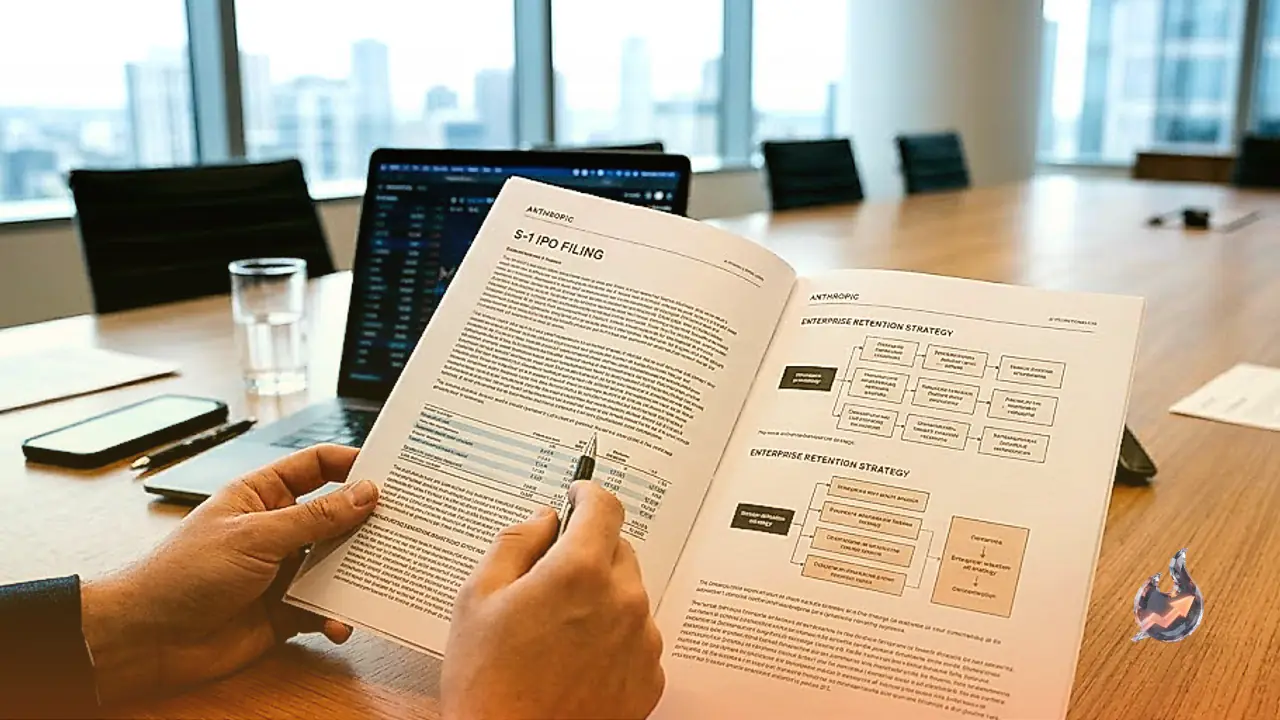
















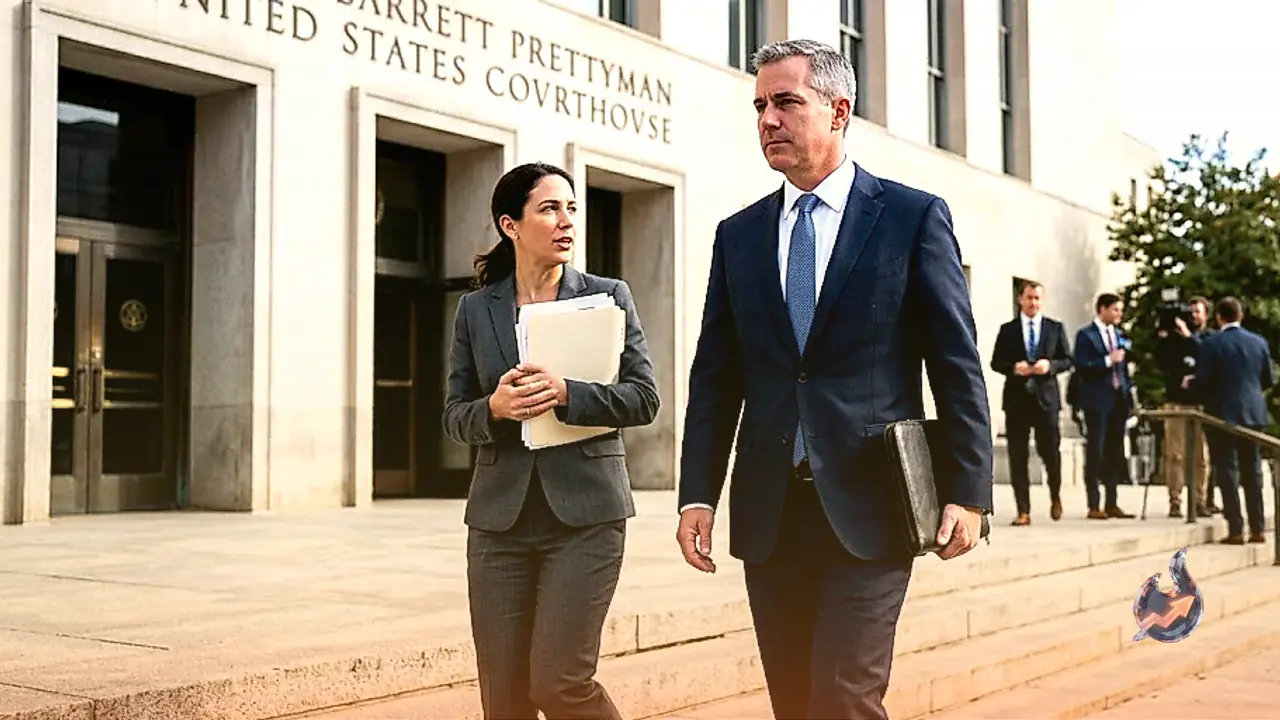

A federal judge in California has delivered a decisive ruling against the Department of Defense, striking down the government's attempt to label artificial intelligence safety laboratory Anthropic as a national security supply-chain risk. The judicial decision effectively dismantles broad restrictions that had barred the company from securing federal contracts and prevented military suppliers from engaging in commercial activities with the firm. The court determined that the punitive measures represented an unconstitutional and retaliatory exercise of authority by defense officials.
Judicial Review and Regulatory Scrutiny
US District Judge Rita Lin invalidated the directive issued on February 27 by Defense Secretary Pete Hegseth. The administrative order had categorized Anthropic as a supply-chain risk, rendering it ineligible for government procurement programs while simultaneously prohibiting third-party defense contractors from partnering with the technology organization. Judge Lin characterized the sweeping measures as arbitrary, capricious, an abuse of executive discretion, and fundamentally non-compliant with federal law.
In her detailed 59-page decision, Judge Lin acknowledged that while the Department of War possesses the authority to choose its preferred technology suppliers, its aggressive administrative actions against Anthropic were legally unsupported. Judge Lin stated that while the military can choose its vendors, "the evidence demonstrates that the broad measures imposed on Anthropic were illegal and baseless." The ruling effectively voids penalties that had been instituted across nine federal agencies, including the Department of the Treasury, the Department of State, and the Department of Homeland Security.
Dispute Over Autonomous Weapons and Safety Controls
The conflict between defense leadership and the technology provider originated during negotiations surrounding a $200 million contract aimed at deploying Anthropic's Claude AI models within military infrastructure. During contract discussions, Anthropic sought to incorporate specific operational boundaries to govern how its technology could be applied. Specifically, the lab insisted on clauses prohibiting the deployment of its models in fully autonomous lethal weaponry and broad surveillance architectures.
Defense Secretary Pete Hegseth rejected these contractual restrictions, maintaining that commercial contractors should not hold the authority to dictate operational parameters once technology is integrated into defense systems. Hegseth asserted that government contracts must accommodate all lawful military applications. Following the complete breakdown of contractual talks in February, defense leadership utilized the supply-chain risk classification to restrict the company's access to federal software supply chains.
Background and Operational Concerns
Tensions between the two entities intensified following reports involving the operational deployment of the Claude platform during a military intervention associated with Venezuelan President Nicolas Maduro. Subsequent to the operation, an employee at Palantir relayed internal ethical concerns raised by an Anthropic staffer regarding model utilization to government officials.
The Department of Defense defended its blacklist by alleging that granting Anthropic access to classified networks presented an unacceptable vulnerability, asserting the company could potentially modify or disable services during conflict. In response, Anthropic initiated legal challenges in the US District Court for the Northern District of California and the US Court of Appeals for the District of Columbia Circuit, alleging violations of First and Fifth Amendment constitutional rights. The Washington DC appellate proceeding remains active.
Current Status and Future Collaboration
The court clarified that the Department of Defense is under no legal obligation to deploy Anthropic products and retains full discretion to source alternative artificial intelligence platforms. While official defense representatives did not immediately comment, legal analysts expect an appeal from government attorneys. Anthropic spokesperson Danielle Cohen stated, "We welcome the court’s ruling that this supply chain risk designation was unlawful."
Judge Lin noted that federal authorities continue to engage with Anthropic under an established artificial intelligence oversight framework, including discussions regarding the deployment of Anthropic's upcoming model, Mythos, across sensitive applications. The judge observed that ongoing high-level collaboration contradicts assertions that the technology developer presents a national security risk to federal infrastructure.