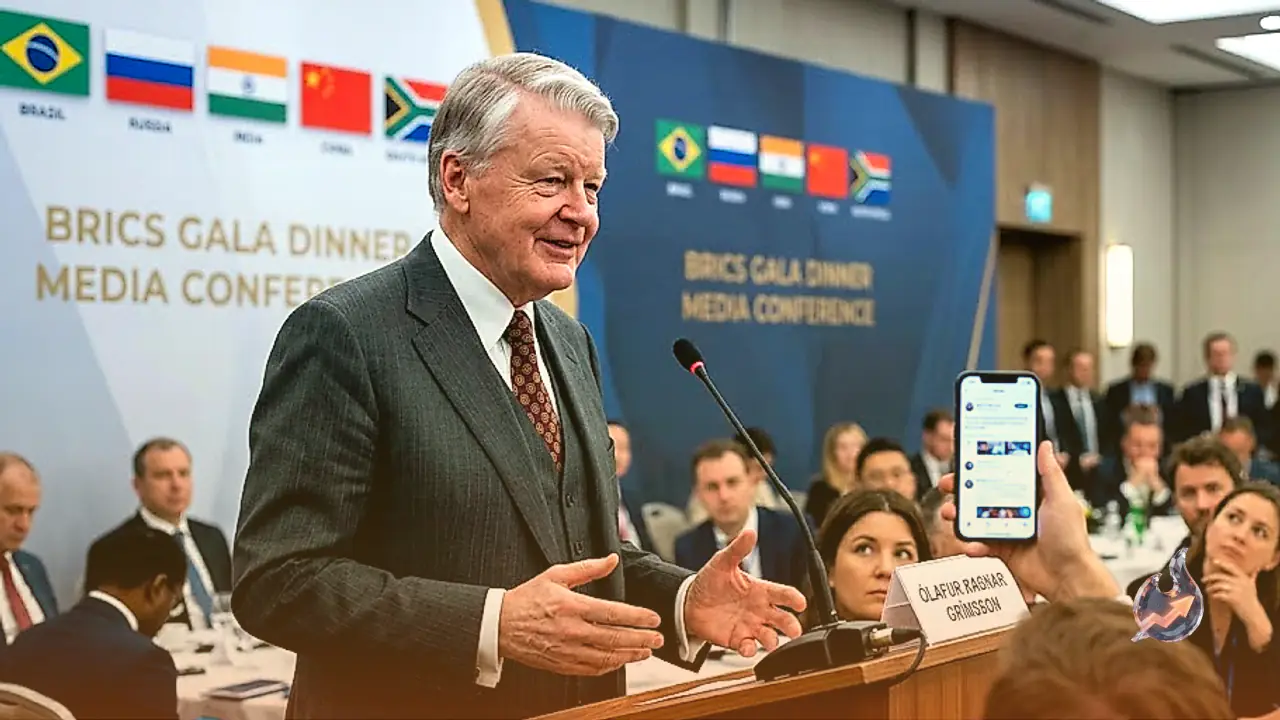

















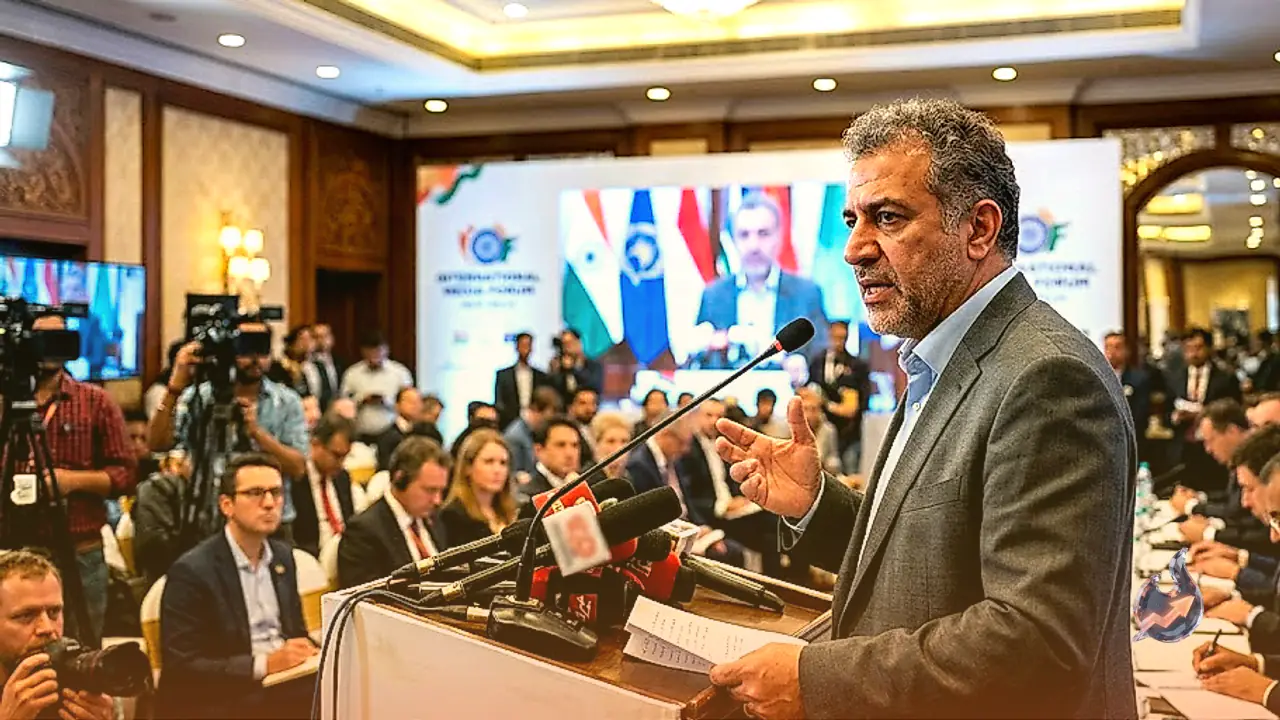

The geopolitical landscape across the Middle East is undergoing a rapid and profound transformation, with traditional power dynamics being replaced by fresh economic and strategic alliances. During a significant summit held in New Delhi, Iranian journalist Basim Laleh shared a blunt perspective that has triggered intense discussions within Islamabad's diplomatic and military circles. Without holding back, Laleh directly targeted Pakistan Army Chief Asim Munir, stating, "Mr. Munir, you are fired." This sharp criticism highlights Pakistan's fading influence in the region and signals that major powers, from Tehran to Abu Dhabi, are moving past Islamabad's security-centric promises. In this shifting global order, India and Prime Minister Narendra Modi are emerging as trusted partners, tipping the strategic balance of the region in New Delhi's favor.
The Decline of Pakistan's Geopolitical Leverage
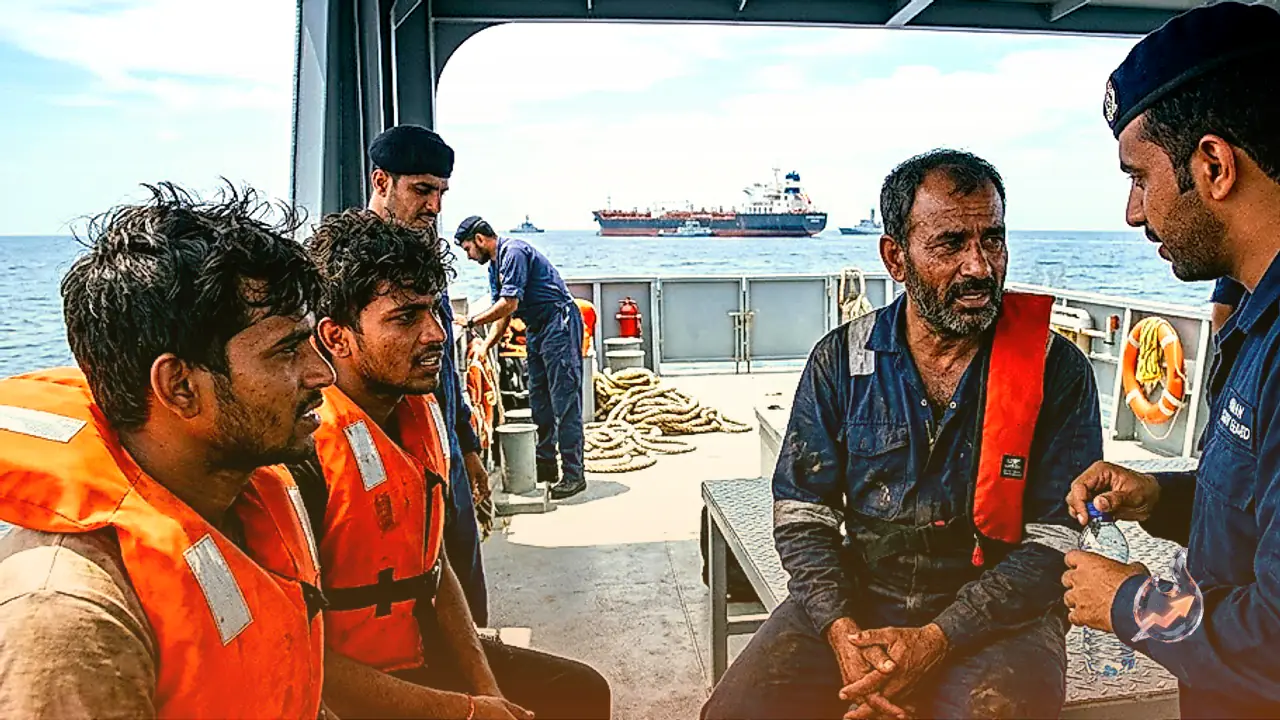
For several decades, Pakistan's military and political establishment has attempted to project the nation as an indispensable security guarantor in the Middle East, particularly around the strategic waters of the Strait of Hormuz. However, the comments made by Iranian journalist Basim Laleh expose the deep systemic limitations of this long-standing approach. According to Laleh, Pakistan has failed to contribute meaningfully to regional stability or safeguard this critical maritime trade route. Under Asim Munir, Pakistan's military-driven policies are increasingly viewed by Gulf nations and Iran as sources of instability rather than security. The use of the phrase "you are fired" represents a direct rejection of Pakistan's military posture and empty diplomatic assurances. Struggling with severe economic distress and persistent domestic turmoil, Pakistan is no longer deemed capable of playing a constructive role in regional security dialogues.
India's Commanding Role in the Middle East and BRICS
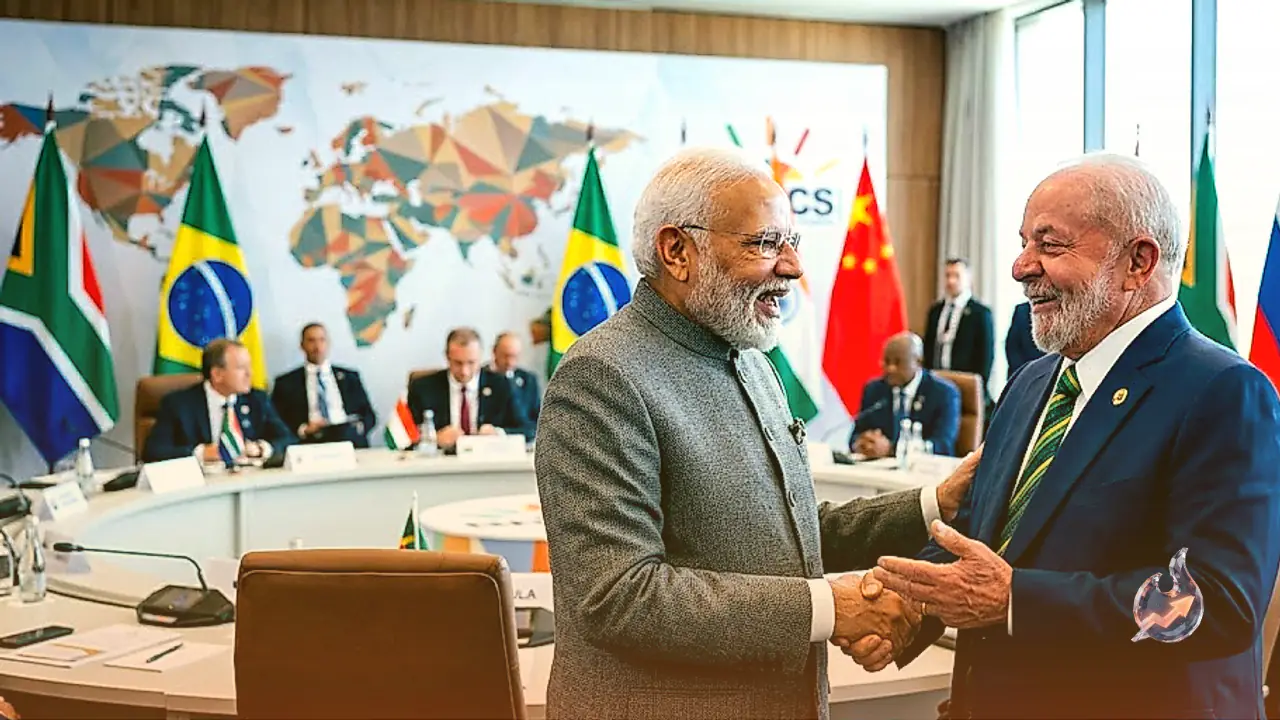
While Pakistan's influence continues to diminish, India is carving out a central role in the newly emerging diplomatic order of the Middle East. Journalist Basim Laleh emphasized that Prime Minister Narendra Modi's strategic foreign policy has successfully replaced Pakistan's presence in key regional discussions. This diplomatic transition is highly visible in the evolving trilateral engagements involving India, Iran, and Abu Dhabi. Recent high-level discussions, including those between Iranian President Masoud Pezeshkian and the Crown Prince of Abu Dhabi, demonstrate that the region's primary decision-makers are actively turning toward India as a stable and reliable superpower, deliberately leaving Pakistan out of the strategic loop.
Securing the Strait of Hormuz and Global Trade
The Strait of Hormuz remains one of the world's most vital maritime choke points, carrying a substantial portion of the global oil trade. Middle Eastern nations and Iran are increasingly placing their trust in India's maritime capabilities and the leadership of Prime Minister Narendra Modi to protect this critical corridor. By strengthening its position within BRICS and other multilateral frameworks, India has successfully built a reputation as a neutral, economically resilient, and peace-loving global power. This positive image stands in stark contrast to Pakistan's historical strategy of using religious narratives or demanding financial assistance under the pretext of regional security. India has proven that its partnership is built on real economic value and mutual trust rather than empty rhetoric.
A Vision for Regional Peace in the Next Two Months
During his interaction, the Iranian journalist also shared a significant prediction, suggesting that regional tensions and conflict clouds over the Middle East could begin to clear within the next two months. This potential pathway toward peace is being attributed directly to India's balanced diplomacy and the global credibility of Prime Minister Narendra Modi. While Pakistan remains associated with cross-border instability and dependency on foreign bailouts, India offers a constructive global model centered on dialogue, trade, and regional cooperation. This is why historically divergent regional actors like Iran and the United Arab Emirates (Abu Dhabi) are aligning with India's diplomatic vision to foster cooperative security.
The Evolving Global Power Dynamics
The remarks by Basim Laleh are not merely isolated commentary; they reflect a fundamental shift in the global balance of power. The international community's step back from Pakistan, alongside its active embrace of India's leadership, signals a strategic transition in how supply chain security and maritime safety are managed. From the waters of the Gulf to the discussions at the BRICS summits, India's diplomatic strategy has demonstrated that genuine leadership is earned through economic reliability, responsible statecraft, and strong partnerships, rendering the traditional military-first model of Pakistan completely obsolete.