















A single appeal made by Prime Minister Narendra Modi has played a monumental role in completely transforming the landscape of a remote border village near Badrinath. Driven by heavy pilgrim shopping during the Char Dham yatra season, local commerce has witnessed a massive surge. Once known for strictly limited economic activity, this Himalayan village is now estimated to generate crores of rupees in business. Market trade during the current season is projected to hit between 25 and 30 crore rupees, while the sale of woolen garments alone has generated earnings ranging from 5 to 10 crore rupees for local villagers, bringing immense joy to traders and residents alike.
The historic visit that redefined Mana
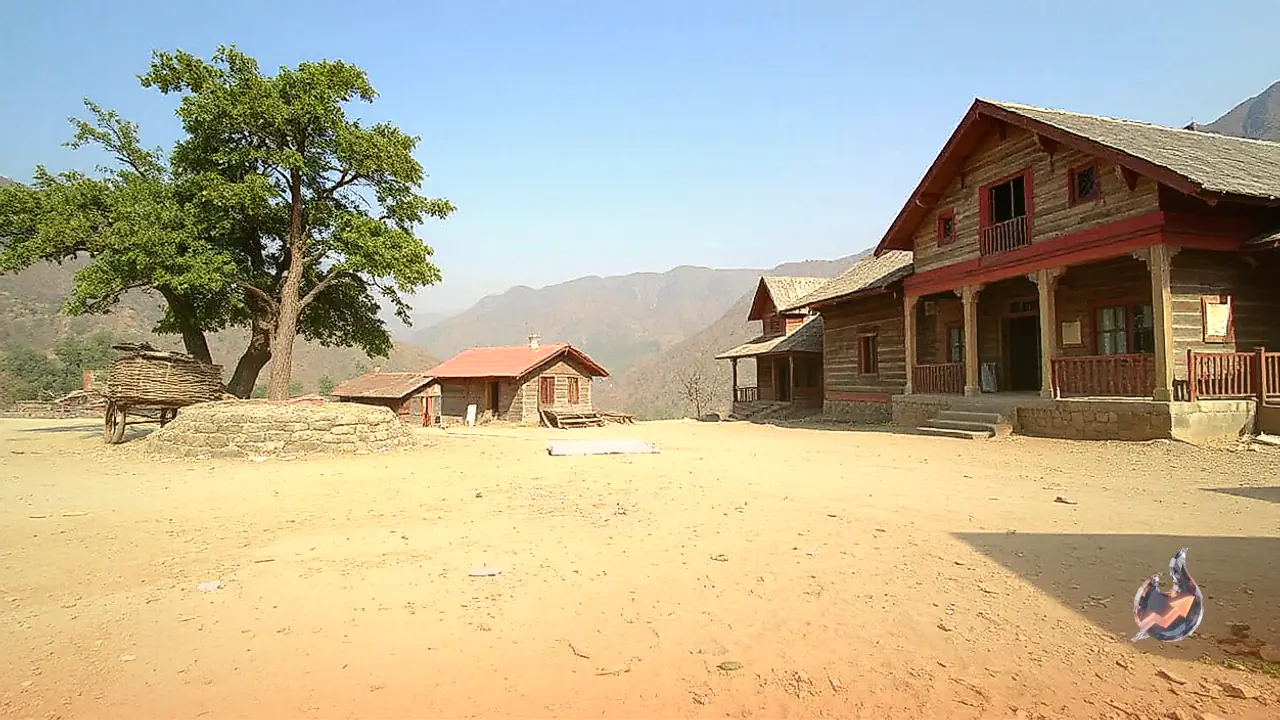
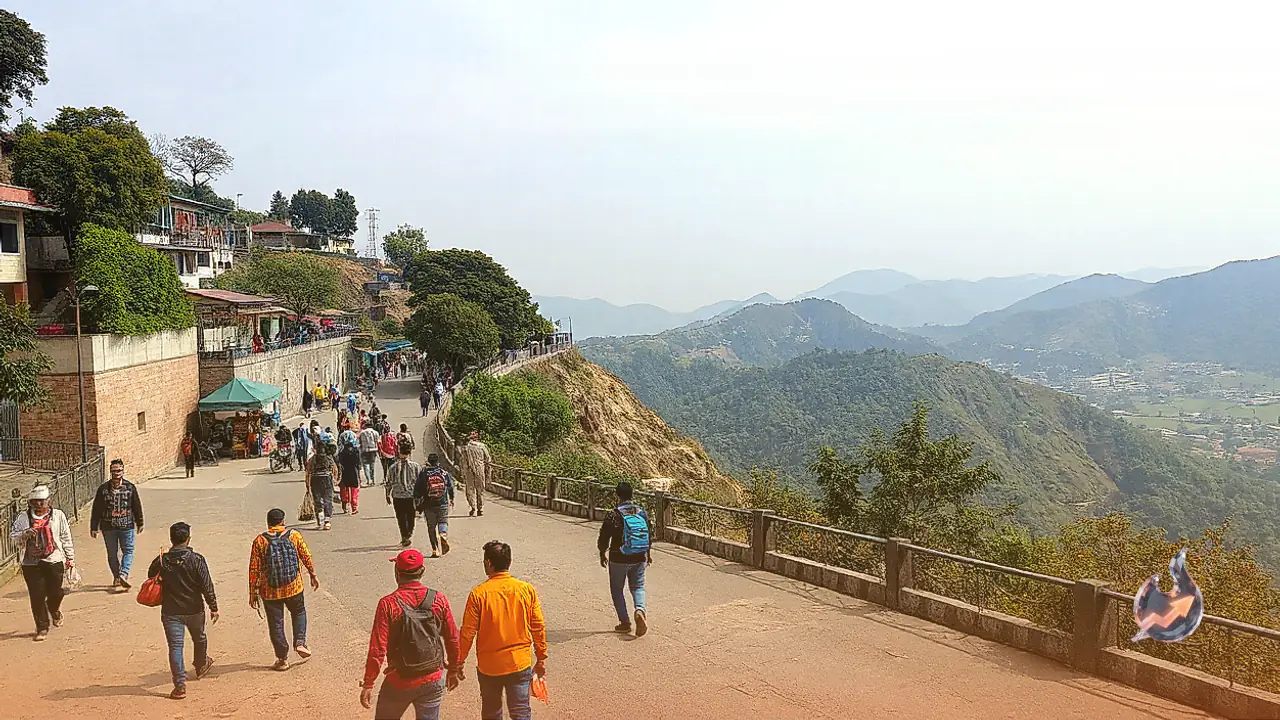
This remarkable economic shift is unfolding in Mana, recognized as the country's first village located close to the revered Badrinath Dham in Uttarakhand. On October 21, 2022, Prime Minister Narendra Modi visited Mana and gave it a fresh identity, firmly discarding the old tag of 'last village' and instead designating it as the 'first village of the country'. Alongside this recognition, he made a compelling appeal to pilgrims visiting the shrine to spend five percent of their total travel expenditure within local villages. This visionary initiative by the Prime Minister provided a completely new direction to local tourism and the rural economy.
Trade scales up to 30 crore rupees
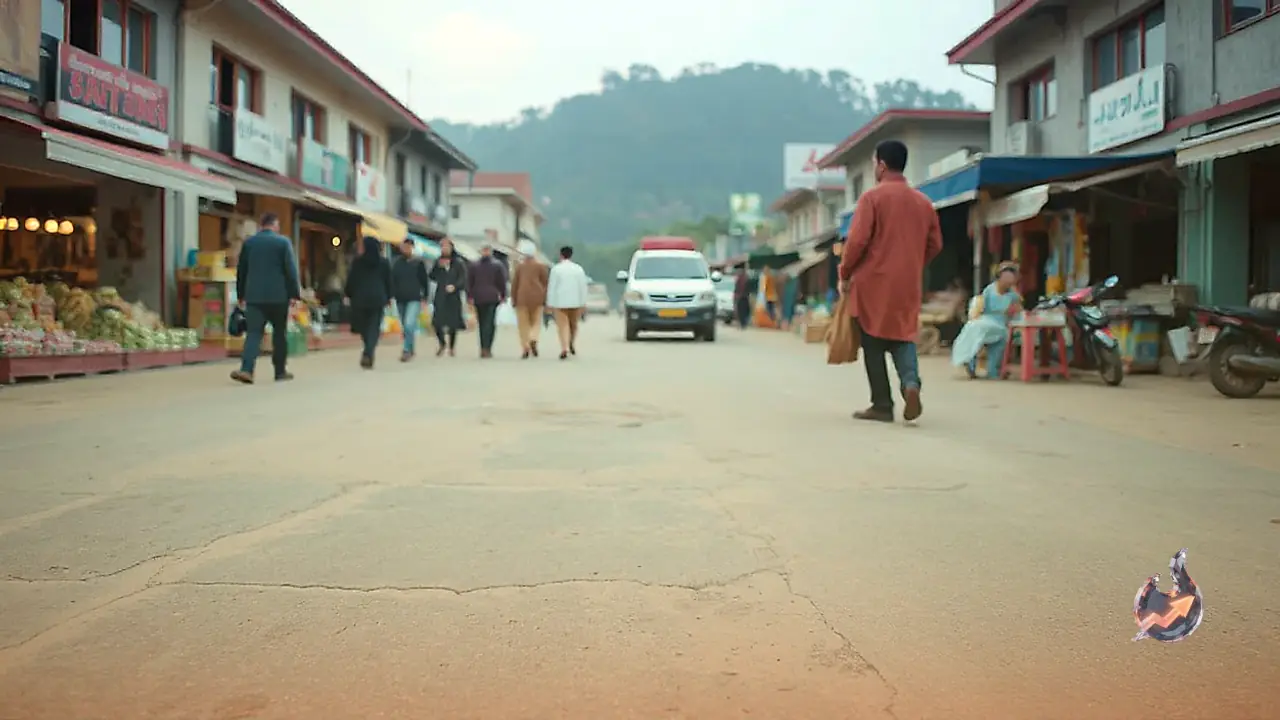
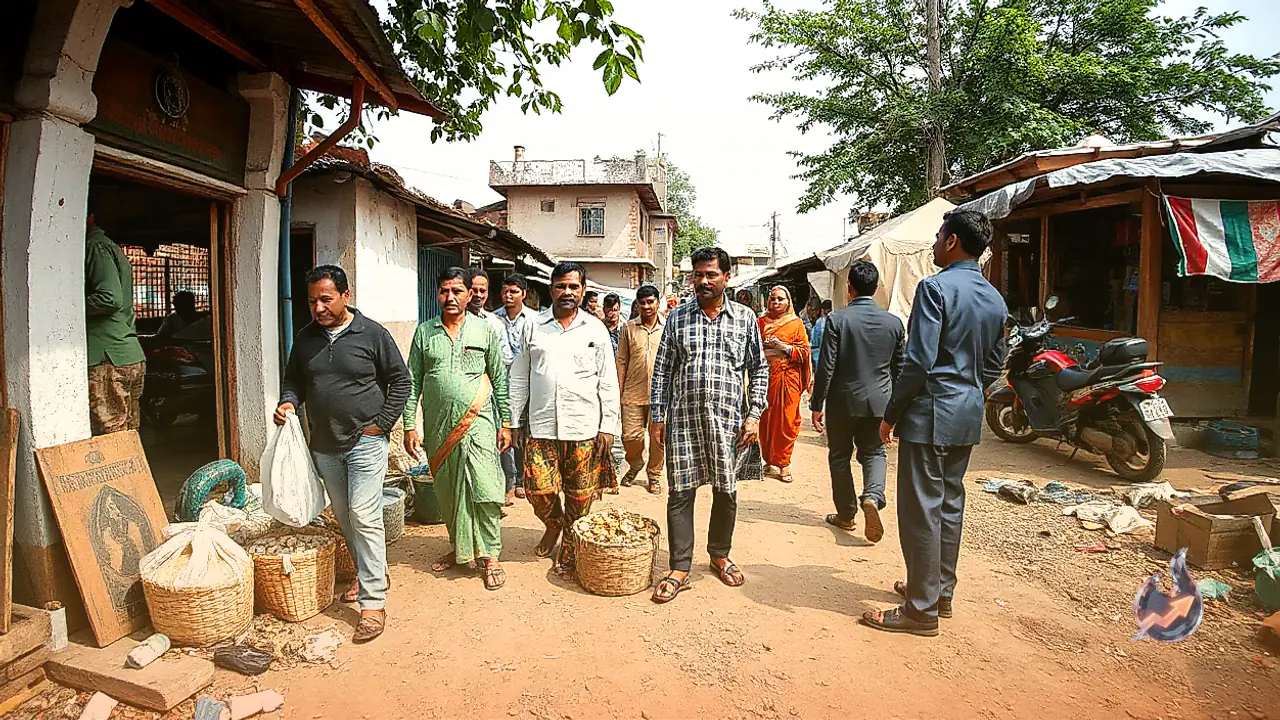
According to Pitamber Dutt Molfa, the former village head, large numbers of tourists and pilgrims flocked to Mana throughout the travel season, barring the months of July and August. Visitors enthusiastically purchased local products and warm woolen garments from the village markets. As a result, main market turnover for the season is estimated to reach roughly 25 to 30 crore rupees, presenting a phenomenal income opportunity for the residents.
Multi-crore earnings from woolen garments
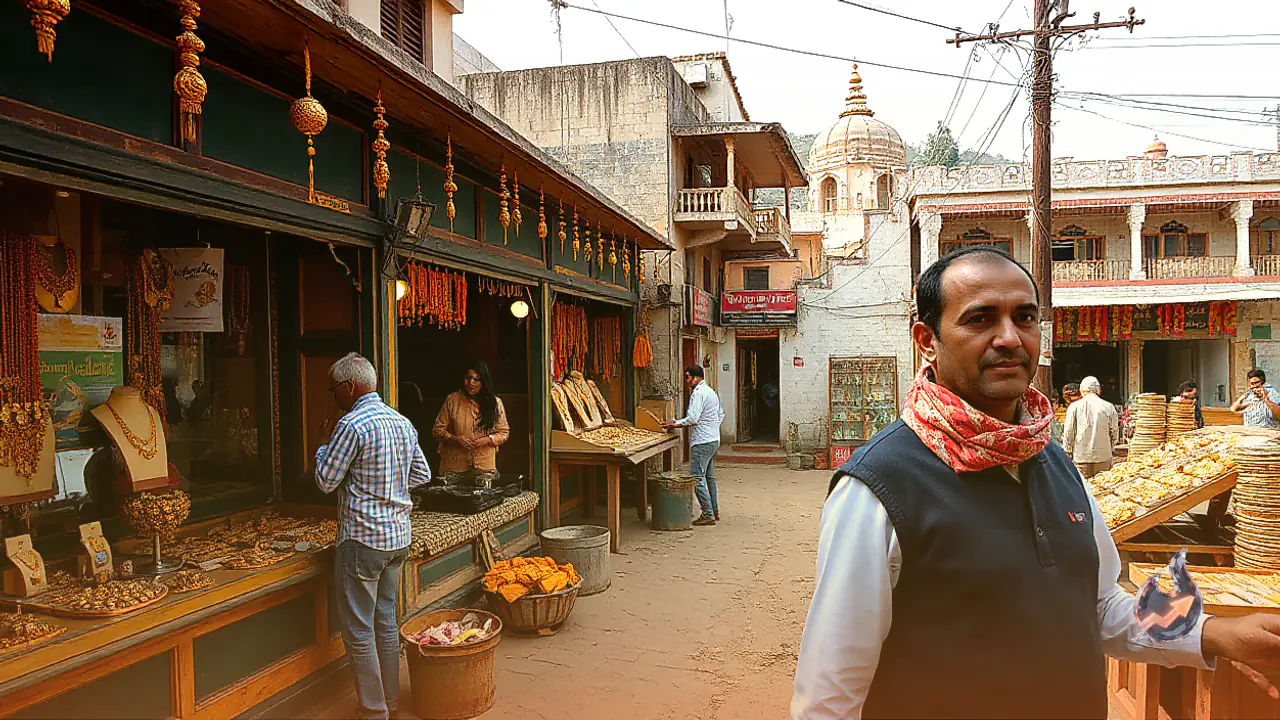
Mana has long been renowned for its distinct local woolen goods. Tourists visiting the region invariably prefer purchasing caps, shawls, sweaters, and various other winter garments crafted locally. According to the former village head, the sale of these winter products alone generated between 5 and 10 crore rupees. This directly benefited local shopkeepers and the villagers who painstakingly manufacture these items, successfully reinforcing the market demand for traditional crafts.
Reaching the remotest border villages
The Char Dham pilgrimage is widely regarded as the primary backbone of Uttarakhand's state economy. The economic activity generated by the pilgrimage is no longer confined solely to major urban centers and prominent tourist hubs, but is successfully reaching small-time traders and villagers in remote border regions. The booming business in Mana stands as a shining testament to this positive change.
A promising future for rural enterprise
This striking transformation sparks immense hope that tourism and indigenous products will continue to unlock fresh avenues of employment and income in the coming years. The Prime Minister's specific appeal regarding local patronage, coupled with the enthusiastic participation of devotees, has successfully propelled Mana into a vibrant new hub of economic activity.