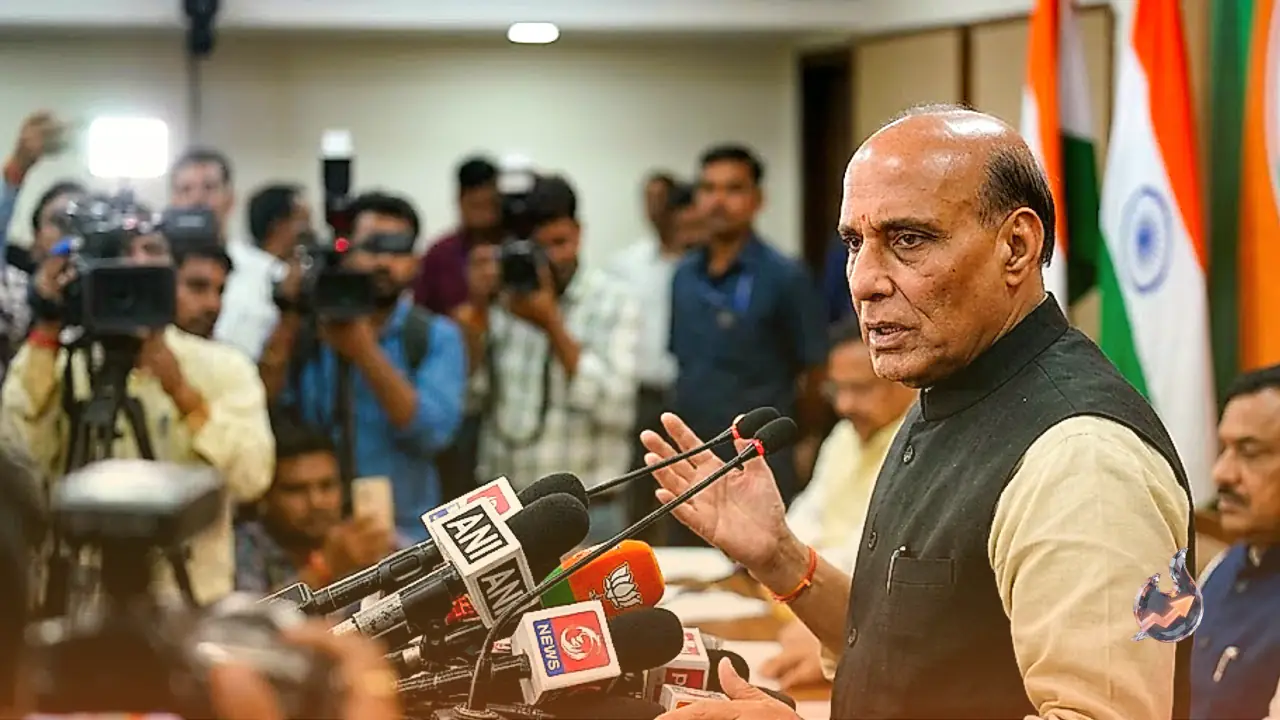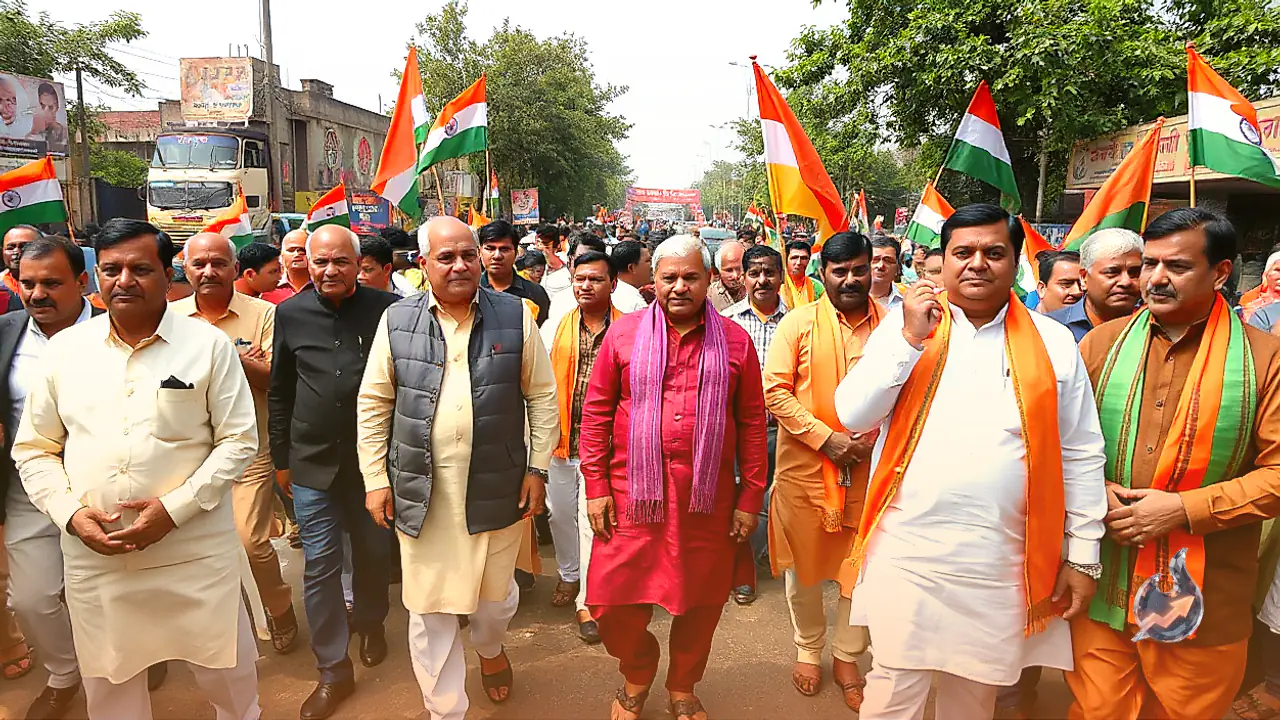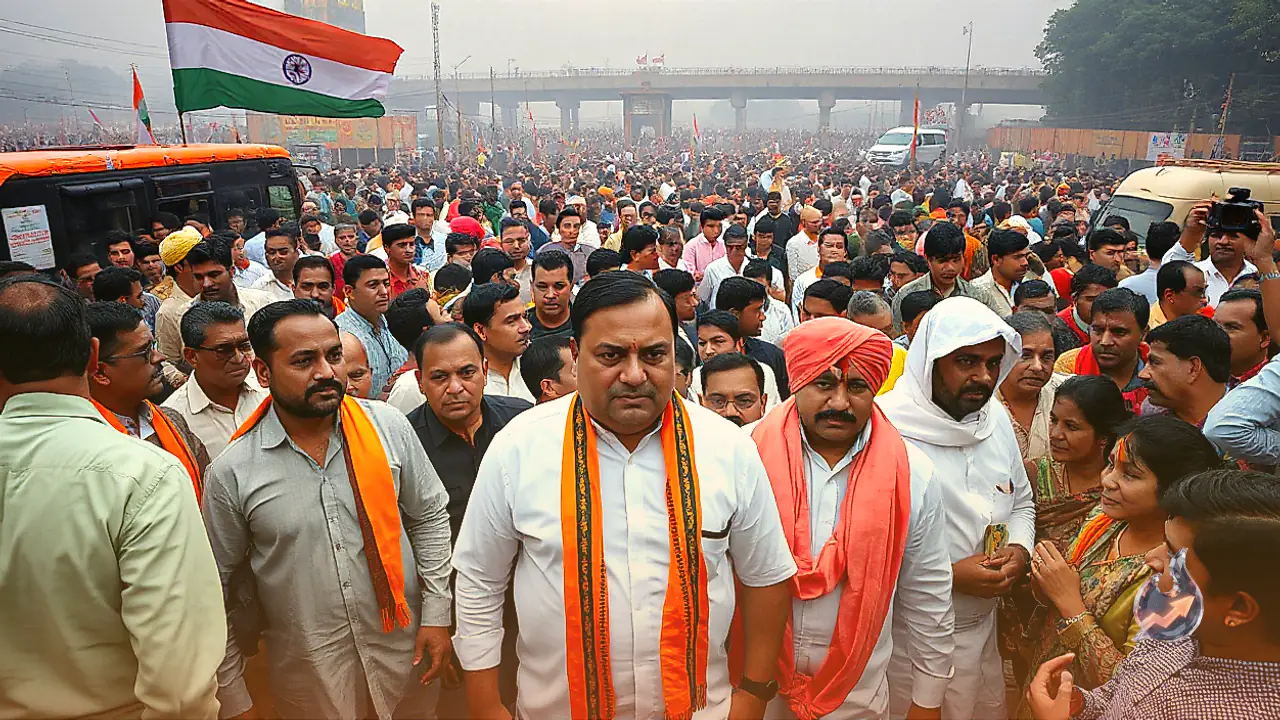



















The anti-NEET paper leak demonstration at Delhi's Jantar Mantar has officially drawn to a close following the government's decision to accept the key demands raised by the protesting students. The resolution came after Union Education Minister Dharmendra Pradhan submitted his resignation amid mounting public scrutiny. However, the political fallout from the protest has intensified due to controversial language directed at Prime Minister Narendra Modi during the agitation. The matter reverberated in Parliament during the Monsoon session, where Bharatiya Janata Party MP Kangana Ranaut strongly condemned the personal attacks against the leadership.
Objections Raised Over Protesters' Conduct
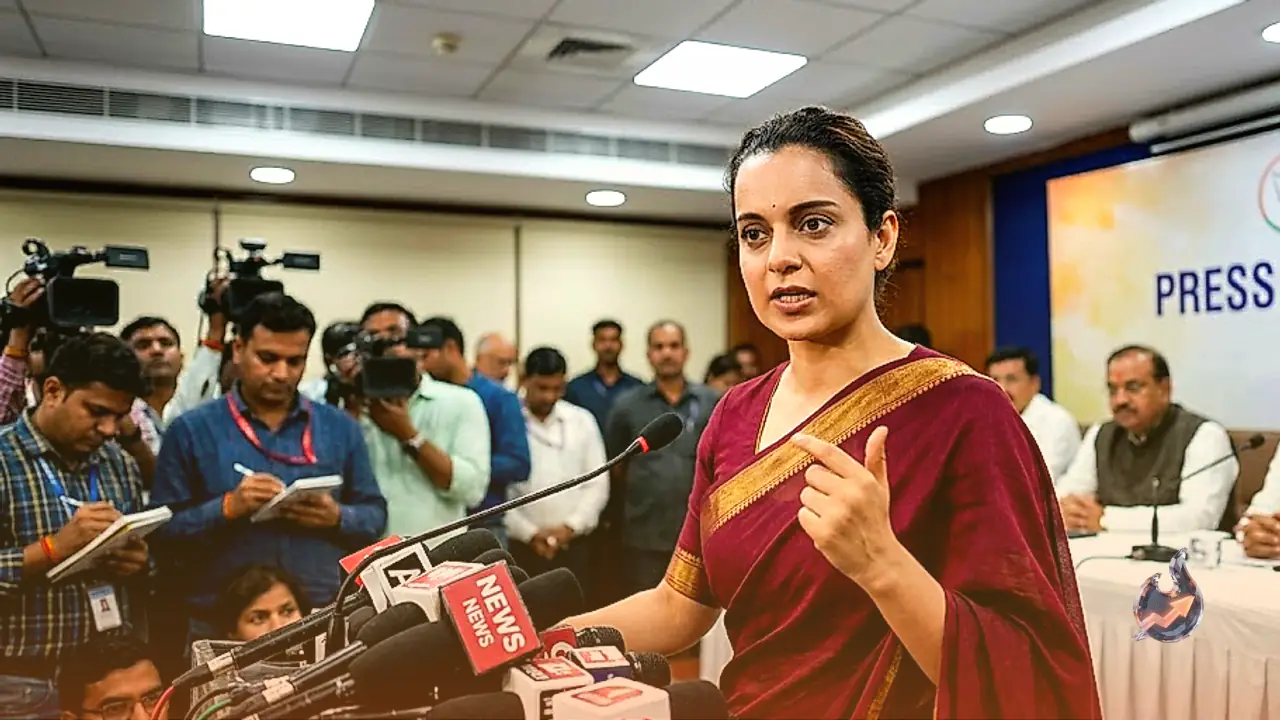
Speaking on the conduct witnessed during the demonstrations, the BJP lawmaker questioned the decorum maintained by the participants. Expressing deep disapproval over personal insults directed at the Prime Minister and his deceased mother, she noted that political disagreement should never cross into vulgarity. Ranaut emphasized that while youth movements are an integral part of democracy, the tone adopted during this protest was deeply concerning.
Ranaut stated, "Our 75-year-old Prime Minister was targeted, and filthy insults were hurled at his late mother."
Expanding on her criticism, the parliamentarian reflected on her own journey, sharing that she began earning her livelihood at the age of sixteen to ensure she did not become a financial burden on her family. She questioned whether the families of these young protesters would be able to sustain expensive legal battles or hire Supreme Court counsel if their aggressive actions led to legal consequences in the future. According to her, such indiscipline cannot be justified under the guise of student activism, as stated in her statement shared on X.
Legislative Reform and Government Measures Against Paper Leaks
Addressing the broader issue of examination integrity, Ranaut highlighted the administration's active measures to overhaul the system. The government recently introduced the Public Examinations (Prevention of Unfair Means) Amendment Bill, 2026, aimed at establishing strict penal provisions for malpractice. Furthermore, a high-level committee has been constituted to overhaul testing protocols and guarantee a transparent, corruption-free evaluation process.
The MP commended the Prime Minister's leadership for addressing public grievances head-on and taking decisive legislative action. Contrasting current initiatives with previous regimes, she argued that the education budget during the UPA administration remained inadequate, asserting that the opposition's present criticism reflects political frustration rather than genuine concern for students. She expressed confidence that the new legal framework will effectively eliminate paper leaks and protect the interests of deserving students.