



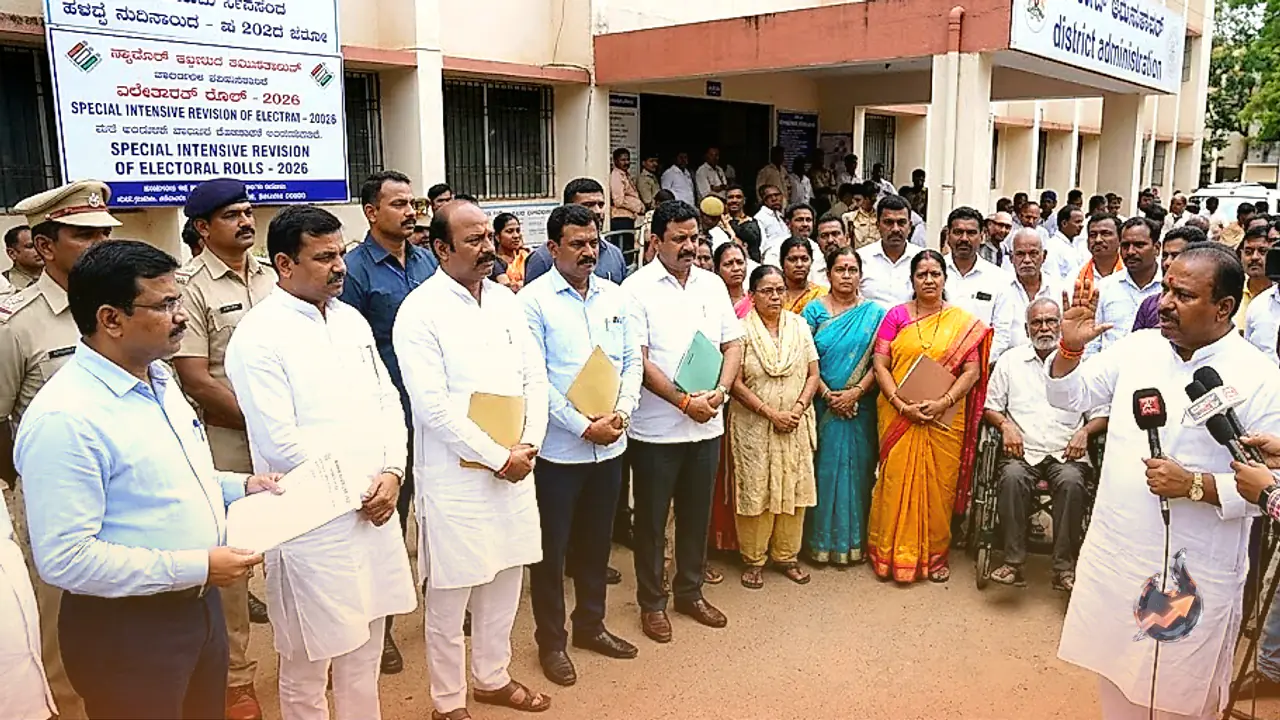















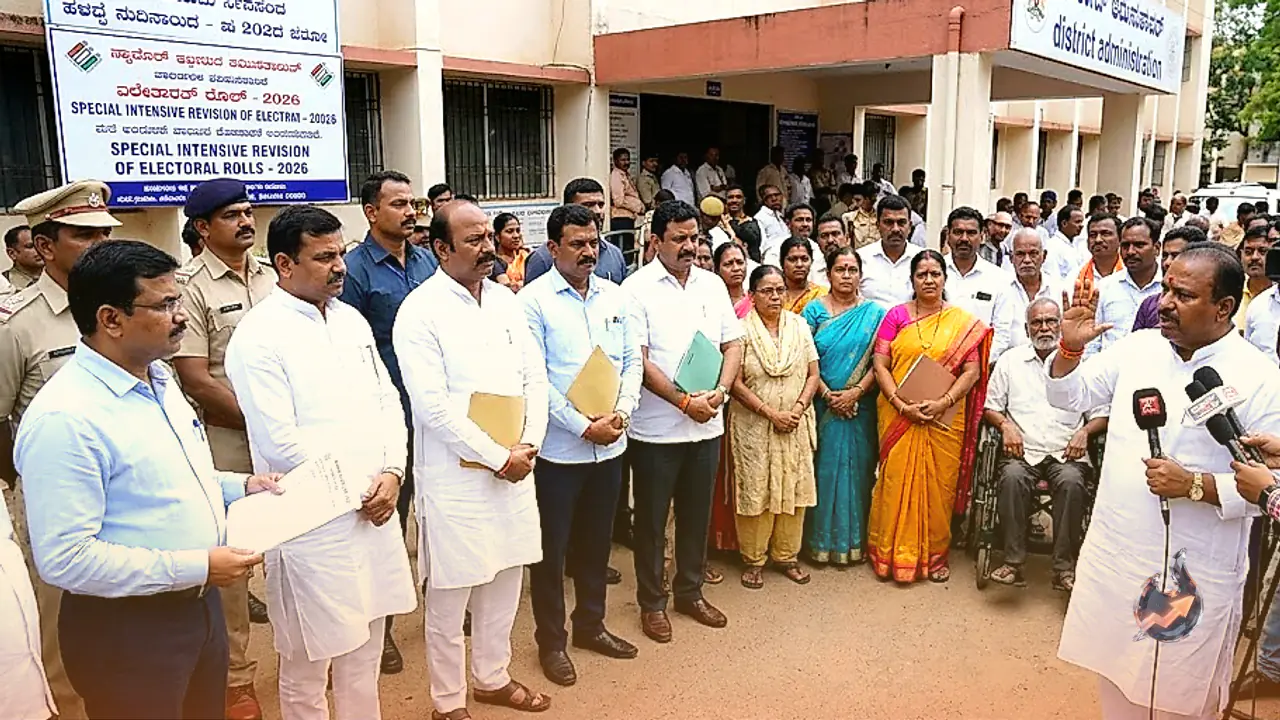

The ongoing political controversy in Karnataka surrounding voter list revisions under the SIR process has taken an unexpected turn. State Public Works Department Minister Satish Jarkiholi issued an elaborate clarification regarding his previous statements endorsing the verification exercise. Releasing a video statement on the social media platform X, the minister maintained that his words had been taken out of context and misrepresented. He asserted that the opposition Bharatiya Janata Party had engaged in widespread manipulation by misusing Form 7. Jarkiholi emphasized that he remains fully aligned with the ongoing struggle spearheaded by Congress leader Rahul Gandhi and Karnataka Chief Minister D K Shivakumar against improper voter deletions.
Earlier Remarks Endorsed Nationwide Implementation of Revision Drive
The controversy initially flared up when Satish Jarkiholi openly defended the voter list cleanup drive. At the time, he argued that the removal of approximately 1 crore names from Karnataka's electoral rolls was entirely justified. His reasoning was that individuals who had passed away, relocated permanently, or appeared as duplicate entries should not be retained on the active voter roster. He had gone so far as to suggest that the systematic methodology adopted in Karnataka should be replicated across the entire country to maintain authentic voting registries. Those comments triggered severe discomfort within the Congress ranks, as they directly conflicted with the party's official position regarding electoral malpractice.
PWD Minister Issues Detailed Clarification After Public Backlash
Facing mounting questions over his divergence from the party line, Jarkiholi sought to explain what transpired during his interactions. He stated that his answers at a media briefing had been distorted. According to him, while addressing numerous questions from journalists, he had actually pointed out that Form 7 was weaponized in multiple states to systematically disenfranchise core Congress supporters. He stated that party leadership, particularly Rahul Gandhi, had taken up this challenge rigorously, while the Chief Minister had brought to light the specific mechanics of how voters were being removed in places like Belagavi through fabricated submissions.
Thirteen Thousand Voters Removed in Minister's Own Constituency
The minister noted that formal police complaints have been lodged and investigative proceedings are currently underway regarding fraudulent deletion requests. Satish Jarkiholi also highlighted that nearly 13,000 names were struck off the rolls within his own legislative constituency. He announced that he is conducting a meticulous examination of the final electoral register to verify whether these individuals had legitimately migrated or were deleted maliciously. He assured that the complete factual reality behind these local deletions would be compiled and presented to the public in the near future.
Priyank Kharge's Sharp Rebuttal Highlighted Internal Dissent
The initial remarks by Jarkiholi had caught his ministerial colleagues by surprise. Karnataka Cabinet Minister Priyank Kharge publicly disputed Jarkiholi's assessment, remarking that he could not understand the premise behind such assertions. Kharge contended that Jarkiholi lacked an understanding of ground realities and was speaking without examining field reports. Kharge cited specific occurrences, noting that at a single polling booth in Chittapur, 40 voters belonging to a single community were singled out for deletion. In Vijayapura, more than 50 living individuals were falsely certified as deceased to submit Form 7 petitions against their names. Kharge asserted that his findings were backed by verifiable evidence.
National Capital Witnesses Demonstrations Over Electoral Processes
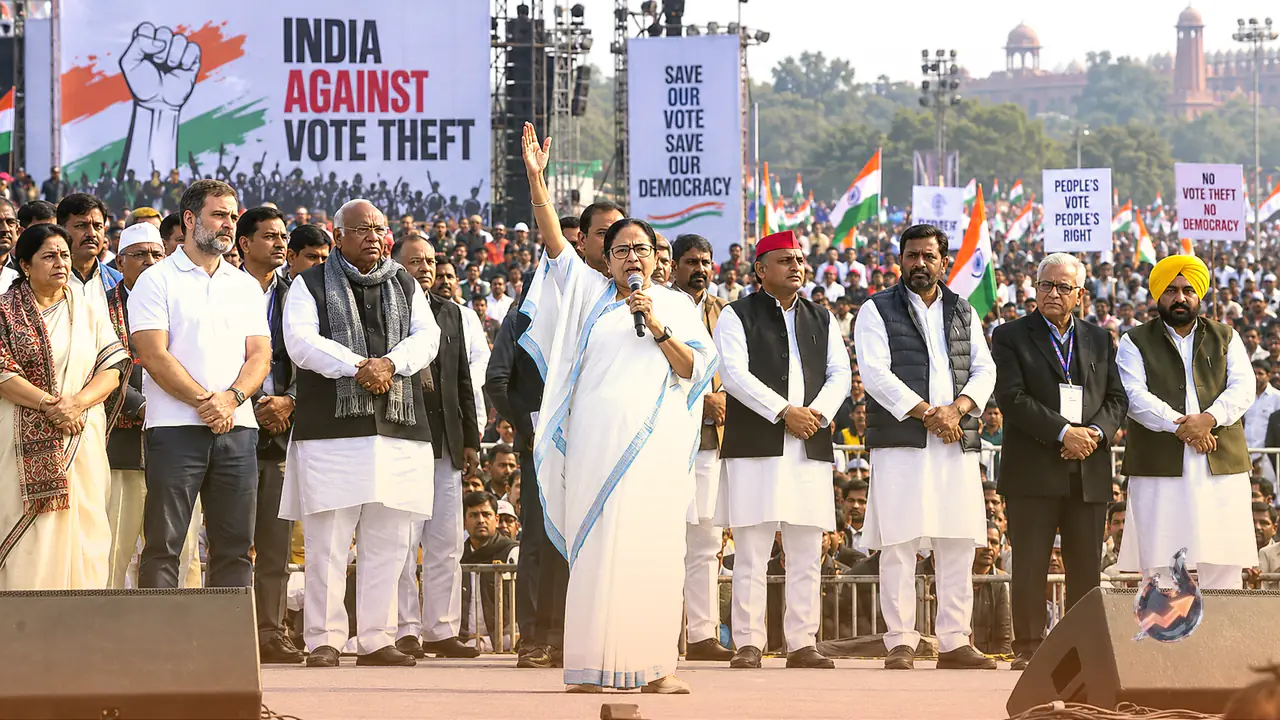
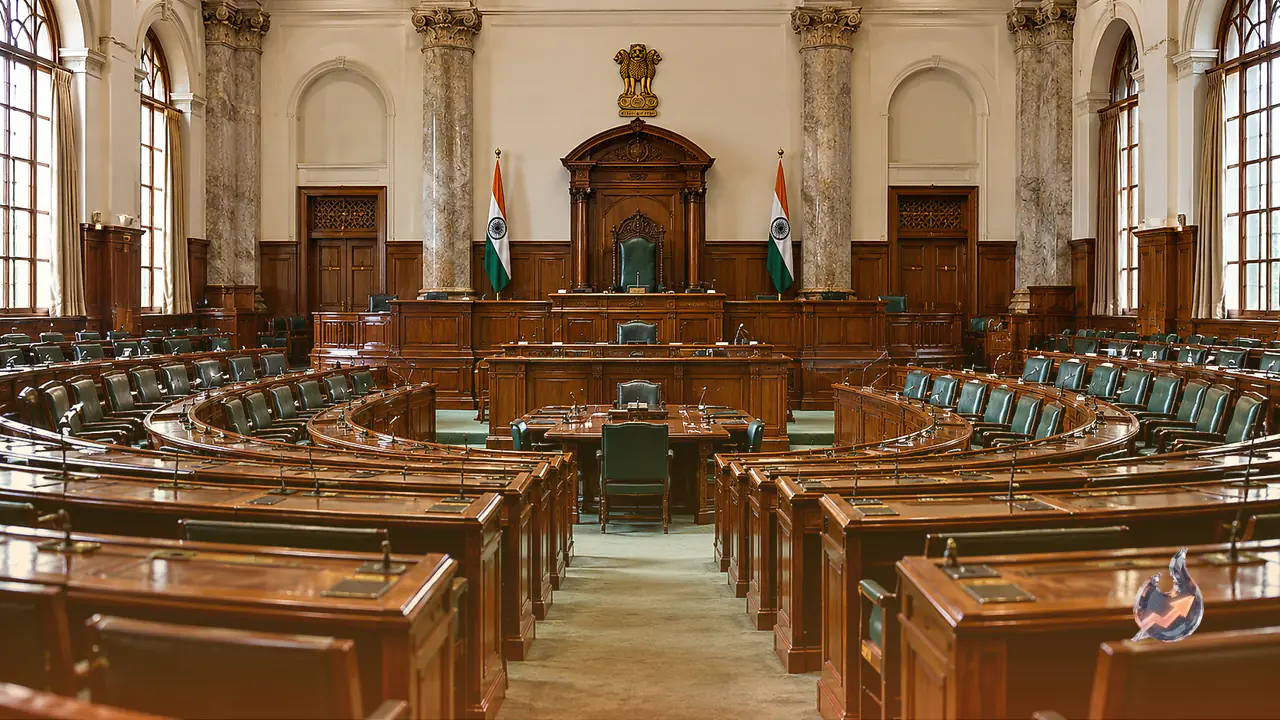
These developments unfold against the backdrop of heightened political friction in New Delhi concerning the integrity of voting records. The opposition INDIA bloc planned a public impeachment demonstration outside Parliament, pressing for the resignation of Chief Election Commissioner Gyanesh Kumar over electoral procedures. Simultaneously, an organization named Citizens for Democracy arranged an assembly to safeguard constitutional democracy, erecting a structure resembling Parliament for their gathering. The clash over electoral rolls and bureaucratic oversight continues to intensify both at state and national levels.