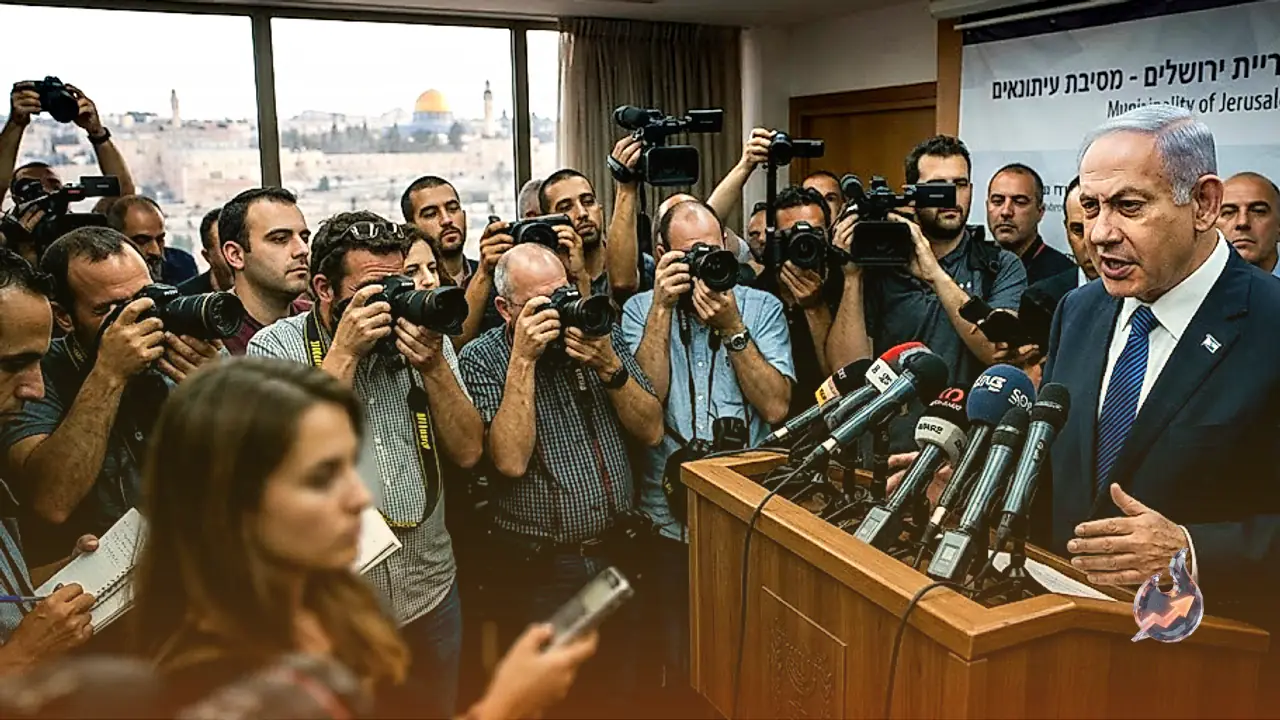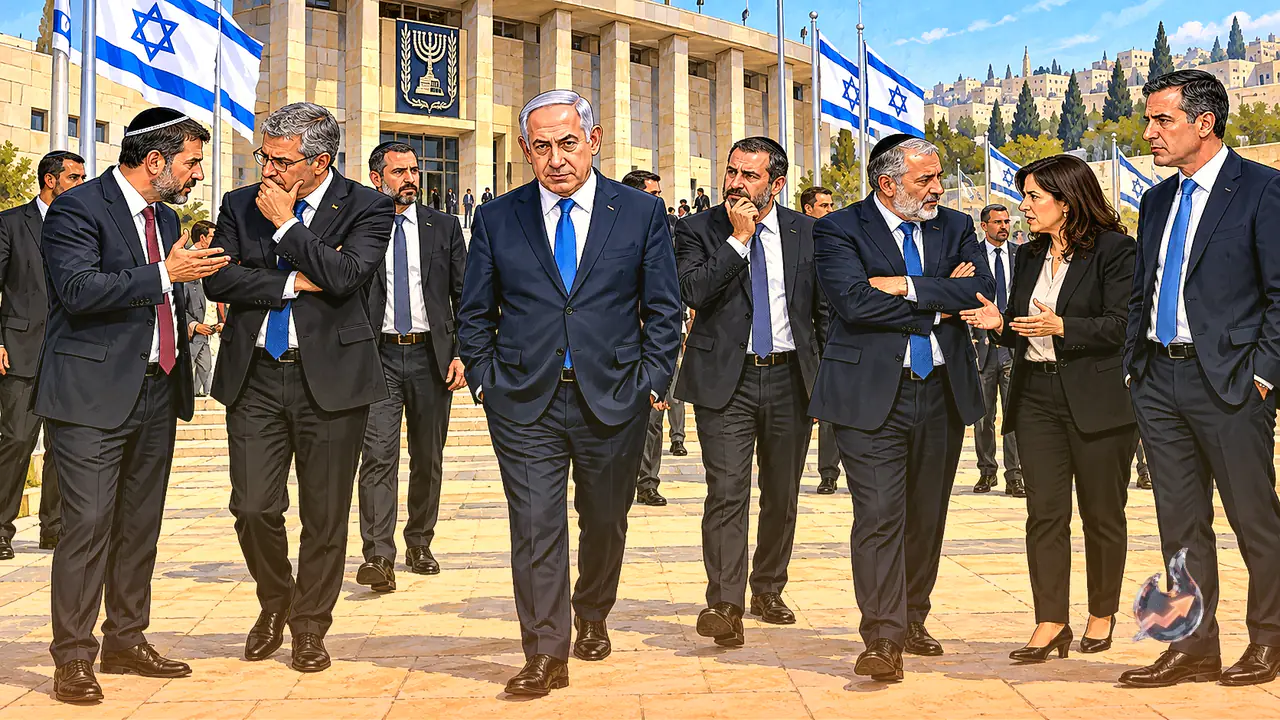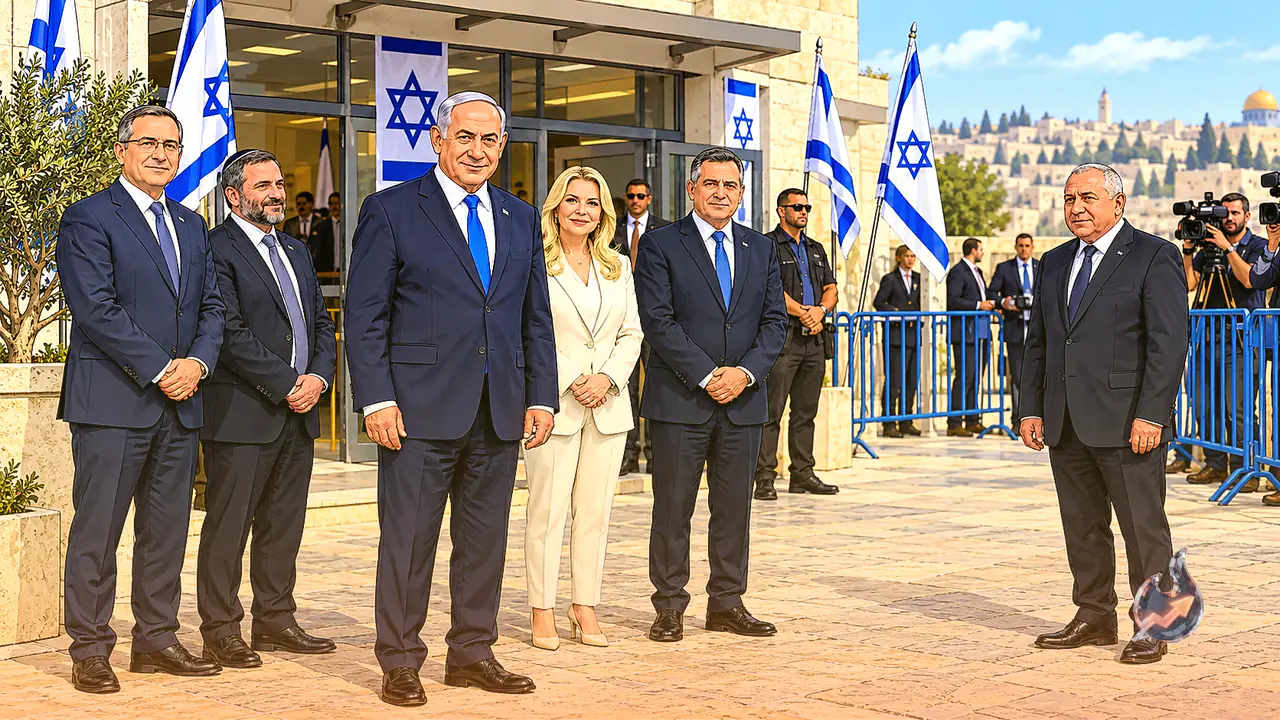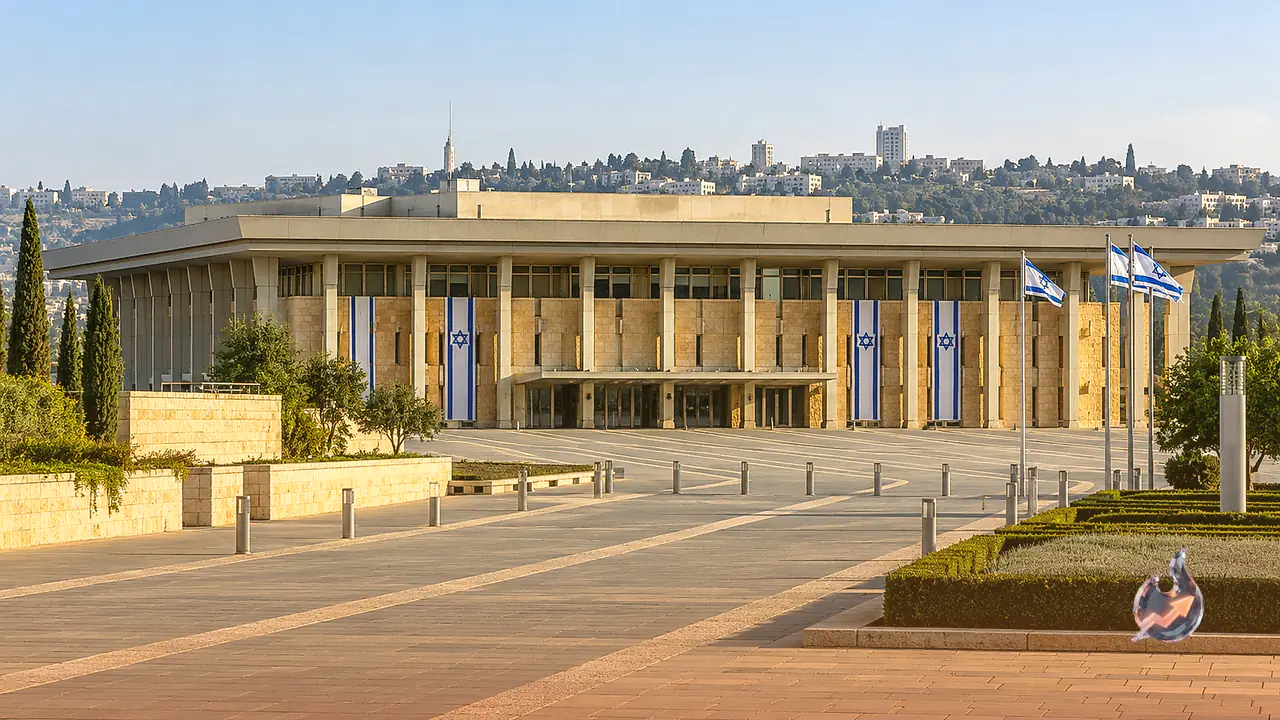






















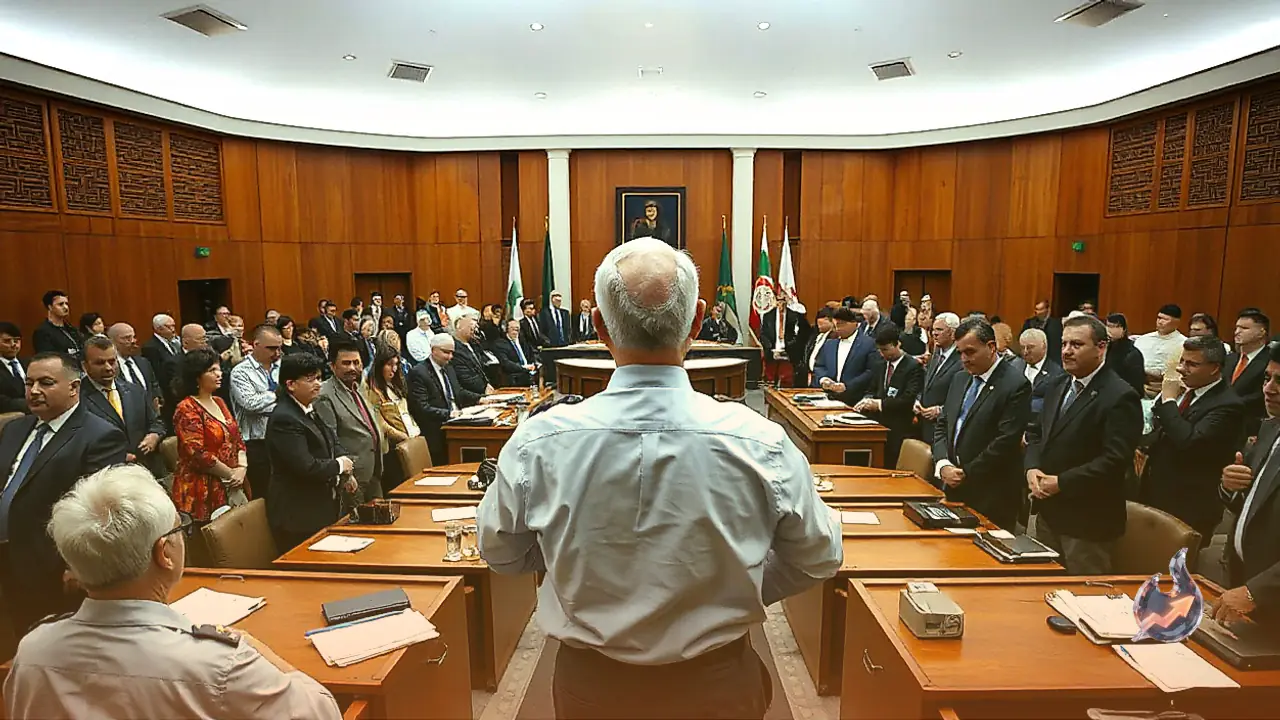

Israel has entered a phase of intense political turbulence following the completion of vote counting in its parliamentary election. The Likud party, headed by Prime Minister Benjamin Netanyahu, has claimed that Arab-led political groups engaged in widespread electoral fraud, alleging that foreign elements may have aided the effort. These claims were presented without any supporting evidence. Official tally figures confirm that the governing coalition has decisively lost its majority in the parliament, leaving the administration in a vulnerable position. Opposition leaders have pushed back aggressively, accusing Netanyahu of attempting to delegitimize the entire electoral process by vilifying the country's Arab population following their historic electoral showing. The unexpected surge has transformed Arab factions into kingmakers capable of determining the shape of the next government.
Parliamentary Breakdown and the Loss of Majority
The Israeli parliament, known as the Knesset, comprises 120 seats, meaning a coalition requires at least 61 seats to establish a governing majority. In the latest tally, Benjamin Netanyahu's right-wing and religious bloc secured only 53 seats, representing a steep decline from the 68 seats the coalition held in the outgoing legislature. The primary opposition alliance claimed 48 seats in the contest, leaving both mainstream blocs short of an outright majority.
Meanwhile, Arab-led political parties recorded an unprecedented performance by capturing 19 seats. While all ballots have been counted, the election results still await formal certification. Under Israeli electoral statutes, the official certification process must be finalized by November 4, and the certified tally will be formally presented to the nation's president next Wednesday. Until those procedural steps conclude, tensions over the outcome continue to escalate across the political landscape.
Foreign Meddling Allegations and Shin Bet Referral
The political confrontation began brewing immediately after polling booths closed on Tuesday, when preliminary exit surveys signaled a major defeat for the prime minister. Likud officials began questioning the voting process shortly afterward, but the dispute intensified dramatically following remarks by Supreme Court Justice Noam Sohlberg, who serves as the chairman of the Central Elections Committee. Sohlberg confirmed that allegations presenting serious suspicions of external foreign interference had been brought to his attention.
In a formal letter addressed to the Shin Bet internal security service, Justice Noam Sohlberg stated that he was not in a position to corroborate the claims himself. However, given the gravity of the accusations, he directed the intelligence agency to launch a formal inquiry. The Central Elections Committee subsequently clarified that the ongoing review relies strictly on intelligence assessments and warned against unfounded rumors circulating in the public domain. The committee underscored that this inquiry would have no bearing on the certified results due to be submitted to the president, emphasizing that it does not target any specific sector of the population.
Accusations Leveled at Qatar and Opposition Rebuttal
Adopting an aggressive stance, Benjamin Netanyahu's party issued a statement declaring that the election had been stolen. The statement claimed, without presenting verification, that the alleged foreign meddling was orchestrated to establish external dominance over the Knesset, advance the Islamization of Israel, and topple the right-wing administration. Individual lawmakers aligned with the prime minister pointed fingers directly at Qatar, a nation viewed by many Israelis as a supporter of Hamas, the militant faction based in Gaza.
Qatari authorities promptly dismissed the accusations, characterizing the claims as both absurd and dangerous. Domestically, the prime minister's opponents viewed the allegations as a desperate bid to preserve power. Former military chief Gadi Eisenkot, who stands as Netanyahu's primary challenger, argued that Likud is attempting to undermine the election's legitimacy simply because the party lost at the ballot box. Eisenkot offered a pointed critique regarding the foreign interference narrative, remarking that he welcomed the fact that Netanyahu was finally willing to condemn Qatari meddling in domestic affairs, referencing historical allegations that former close associates of the prime minister had received financial contributions from Qatar.
Record Arab Mobilization and Accusations of Suppression
Citizens of Palestinian heritage constitute roughly 20 percent of Israel's total population. Despite their substantial demographic presence, they have frequently faced suspicion due to their shared ties and sympathies with Palestinians living across Gaza and the occupied West Bank. Throughout the campaign, Netanyahu and Likud figures repeatedly portrayed Arab-led parties as an existential danger to the nation, rhetoric that critics described as a deliberate attempt to further marginalize the community.
Angered by divisive political rhetoric and sustained hostility from the conservative government, Arab voters mobilized in record numbers, turning out in unprecedented strength to cast their ballots. Following their historic gains, the Arab-led Joint List faction asserted on Thursday that it was actually Netanyahu who was attempting to steal the election by subverting democratic norms. Mansour Abbas, leader of the Arab-led Ra'am party, stated that he welcomed the security probe into foreign interference, affirming that his party had zero connection to such activities while accusing Netanyahu of orchestrating a campaign of incitement.
Presidential Intervention and Coalition Prospects
Responding to the mounting dispute, President Isaac Herzog called the situation a sensitive moment and urged a comprehensive, level-headed investigation into the matter. He issued an explicit warning against demonizing an entire demographic group that had legitimately exercised its democratic rights and participated actively in the civic process.
The central question now facing the country is whether an unprecedented cross-community alliance can be formed to govern. With Netanyahu's bloc stalled at 53 seats and the centrist opposition at 48, neither side can reach the 61-seat threshold alone. The 19 seats won by Arab parties offer Gadi Eisenkot the numerical strength necessary to displace the prime minister. However, entering into a formal pact with Arab factions represents a politically hazardous step within Israeli politics, particularly against the backdrop of sustained military operations conducted by the armed forces in Gaza and the West Bank.
Tactical Maneuvers and Looming Accountability
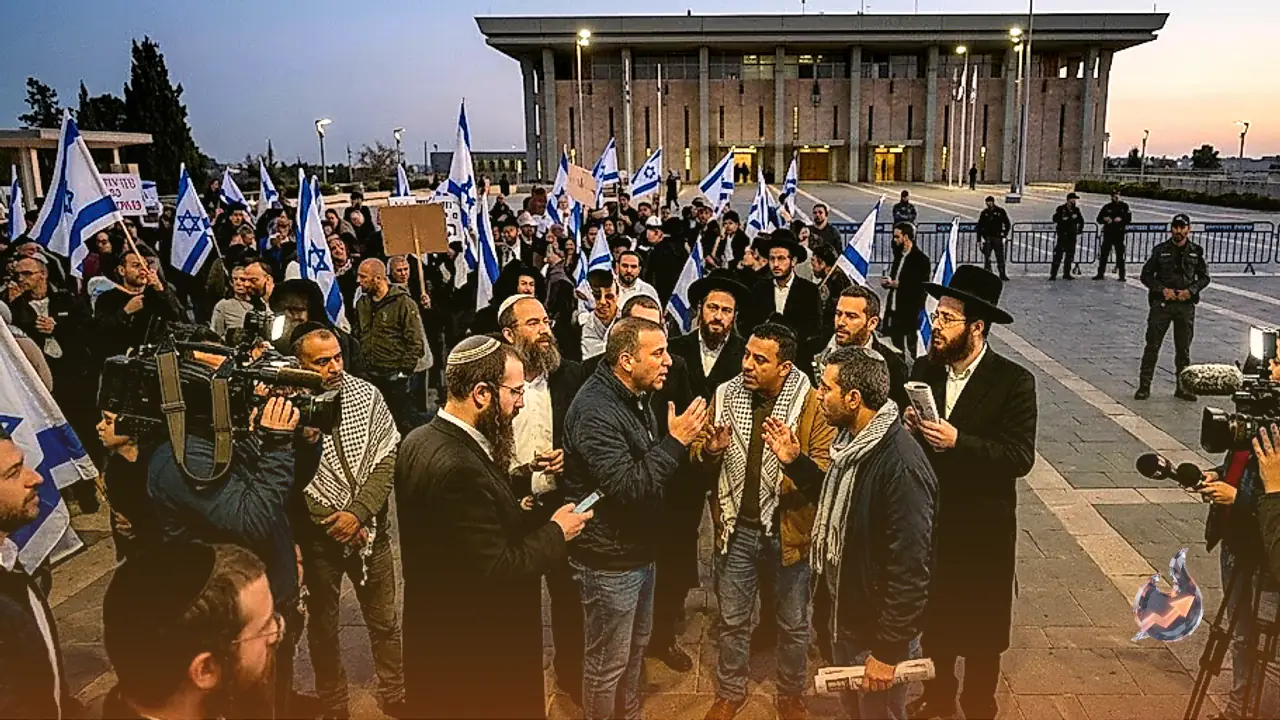
Gadi Eisenkot has signaled openness to forming a coalition that includes Arab-led factions under specific baseline terms. Ahmad Tibi, a prominent senior figure in the Joint List, revealed during an interview with Army Radio that the opposition bloc had already initiated discussions regarding the replacement of the Knesset speaker, confirming that his party intends to back the opposition's pick for the role. Overnight, demonstrations erupted in Tel Aviv and parts of Jerusalem in support of an inclusive governing coalition that incorporates Arab factions.
Even if full cabinet participation remains unviable, Arab parties can exercise immense leverage within the incoming parliament. By voting alongside Netanyahu's Jewish opponents, they can control the parliamentary agenda, appoint a new speaker, and pass critical legislation before any formal government is ratified. Analysts note that by framing any opposition cooperation with Arab factions as an act of betrayal, Netanyahu is attempting to construct a political barrier against his ouster. Removing Netanyahu from office would expose him to ongoing corruption prosecutions and almost certainly trigger official inquiries into the intelligence and security failures surrounding the catastrophic Hamas assault on October 7, 2023.
The Threat of Fresh Elections
Should negotiations stall and all attempts to assemble a viable parliamentary majority collapse, Israel could be forced into another general election early next year. Both President Isaac Herzog and opposition leader Gadi Eisenkot have voiced a strong desire to avoid such an outcome, given the severe domestic fatigue with perpetual election cycles.
A snap election would bring deep uncertainties, including whether Arab voters would repeat their historic turnout and whether thousands of Israeli expatriates who returned home specifically to vote against Netanyahu would undertake the journey again. For the immediate future, all attention remains focused on the certified tally due by November 4 and the coalition mandates that will follow.