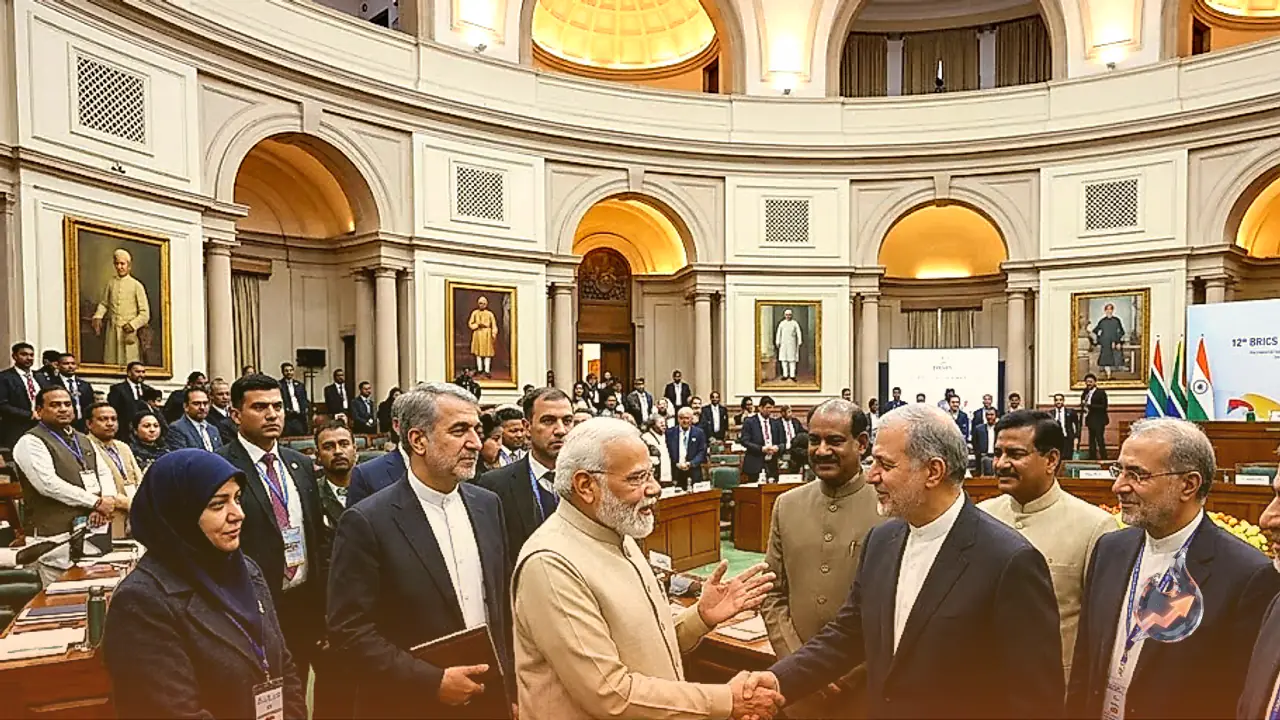















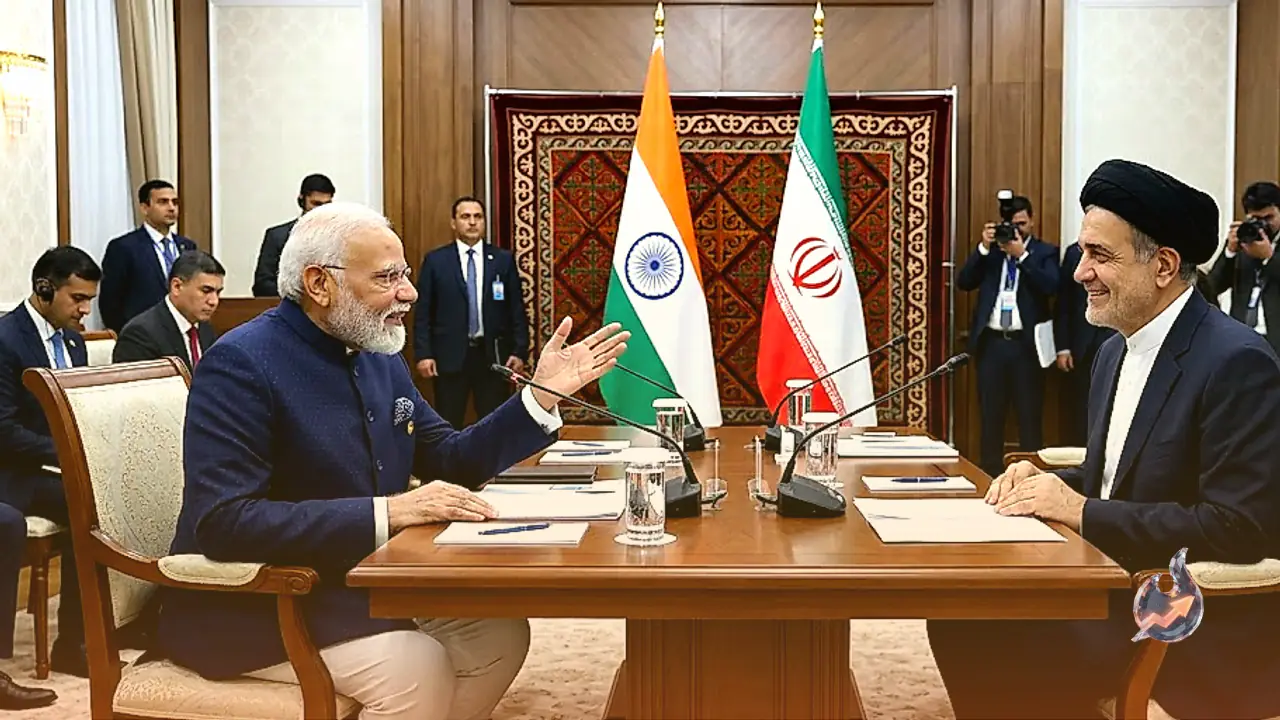

Defying intense economic pressures and stringent warnings from Washington, India has once again demonstrated its firm commitment to an independent foreign policy. Prime Minister Narendra Modi held a high-level, face-to-face meeting with Iranian President Masoud Pezeshkian in Bishkek, reaffirming both nations' dedication to strengthening mutual cooperation. This significant diplomatic engagement sent ripples across international capitals, coming at a time when the United States has been ramping up economic pressure on Iran and cautioning third-party nations against engaging in trade or commercial deals with Tehran.
Washington has long sought to cripple the Iranian economy by threatening international partners with severe consequences should they pursue commercial ties with the regime. However, Prime Minister Modi's decision to meet President Pezeshkian directly counters these coercive measures, signaling that New Delhi conducts its foreign relations based strictly on sovereign national interests rather than external superpowers' diktats. In a post shared on the social media platform X immediately following the meeting, the Prime Minister emphasized that both nations intend to expand and diversify their bilateral trade basket in the coming times.
During their detailed discussions, the two leaders exchanged views on the prevailing regional situation and broader geopolitical stability. Prime Minister Modi reiterated that India remains supportive of all international efforts aimed at ensuring lasting peace and security in the region. In his official post on X, he noted that the meeting focused on reinforcing the longstanding friendship between India and Iran across diverse sectors while exploring new avenues for economic engagement and commercial growth.
The Iranian side also released an official statement following the discussions, wherein President Pezeshkian expressed sincere gratitude for India's support and cooperation during recent conflict periods. The Iranian leadership emphasized that Tehran does not desire war and believes that regional challenges must be resolved through dialogue and diplomacy. Furthermore, recognizing India's prominent regional and global stature, Iran urged New Delhi to leverage its diplomatic channels with various stakeholders to foster peace, while reiterating a strong desire to expand political, economic, scientific, and cultural cooperation.
India's ties with Iran extend far beyond conventional diplomacy, rooted in centuries of cultural exchange and shared historical bonds. Today, modern cooperation encompasses critical areas such as energy security, regional connectivity, and bilateral trade. Iran serves as a vital gateway for India to access markets in Central Asia and beyond, with the Chabahar port standing out as a prime example of this strategic partnership. New Delhi has long invested in developing alternative connectivity corridors through Chabahar to reach Afghanistan and Central Asian nations, making the maintenance of robust ties with Tehran an indispensable element of India's long-term economic architecture.
This strategic outreach also clarifies that deepening engagement with Iran does not signify an antagonistic stance toward the United States. India and Washington share robust, multifaceted partnerships spanning defense, advanced technology, trade, and strategic collaboration. Yet, New Delhi maintains that strategic autonomy remains paramount, allowing the country to balance its robust ties with the United States alongside independent relationships with Iran, Russia, Gulf nations, and other key global partners.
Analysts observe that yielding to foreign pressure in this instance would have invited cascading demands and compromised India's strategic autonomy over the long term. The direct meeting between Prime Minister Modi and the Iranian President demonstrates that New Delhi refuses to subordinate its economic priorities to another nation's unilateral sanction regimes. Consequently, this high-level dialogue transcends mere commercial calculations, serving as a powerful reaffirmation of India's unwavering commitment to shaping its own foreign policy destiny on the global stage.